COP31 draft drops fossil fuel references, sparking outrage in Antalya
Synopsis
COP31's negotiating draft in Antalya has quietly erased references to fossil fuels, loss and damage finance, and adaptation funds — even as the planet edges past 1.5°C of warming. With civil society groups calling it 'the worst COP ever' and small island states warning of an illegitimate outcome, the summit's final hours may determine whether global climate diplomacy still has credibility.
Key Takeaways
The COP31 negotiating draft in Antalya on 20 November 2026 removed references to fossil fuels , loss and damage , and the adaptation fund for developing nations.
Mohamed Adow of Power Shift Africa called it 'in danger of being the worst COP ever.' Harjeet Singh of the Fill the Fund campaign said civil society 'firmly rejects' the draft text.
The Alliance of Small Island States (AOSIS) demanded science-grounded decision-making and a specific adaptation finance target.
Talks were expected to extend into Saturday, 21 November , with Panama and Nepal among the most vocal dissenters.
The planet remains on track to exceed 1.5 degrees Celsius of warming as the second Global Stocktake approaches.
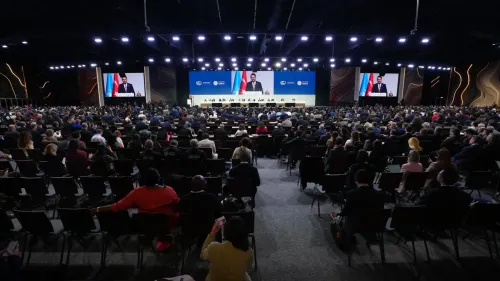
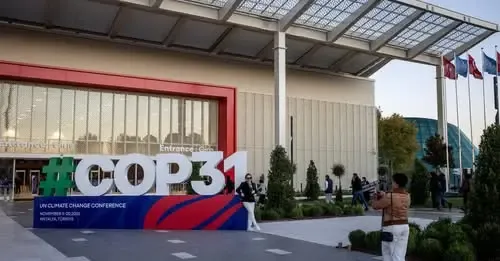
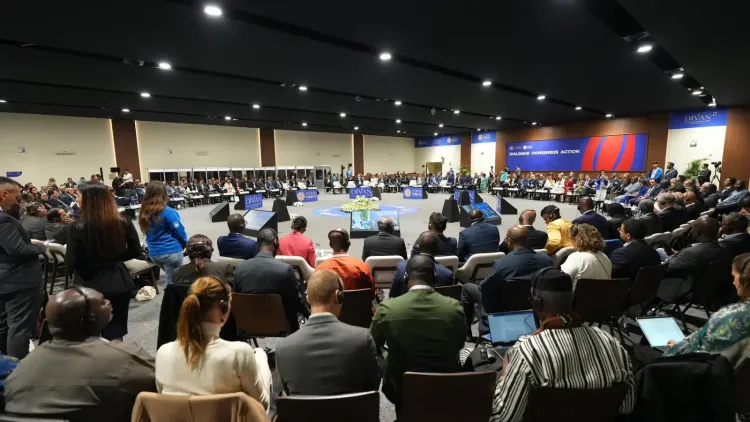
As the UN Climate Summit COP31 approached its final hours in Antalya, Turkey on Friday, 20 November 2026, climate observers, scientists, and civil society activists expressed alarm after references to fossil fuels, loss and damage, and the adaptation fund for developing nations appeared to vanish from the negotiating draft — even as the planet remains on course to exceed 1.5 degrees Celsius of warming.
A Draft Under Fire
Ministers at the summit remained deadlocked over the most contentious questions: who bears the financial burden, how swiftly the world transitions away from fossil fuels, and whether a greener future can be considered 'just' if poorer nations cannot afford it. The impasse has drawn sharp condemnation from climate campaigners who say the current text represents a dangerous retreat from earlier commitments.
Mohamed Adow, Director of Power Shift Africa, did not mince words. 'Antalya is in danger of being the worst COP ever,' he said. Adow argued that rich countries were simultaneously demanding ambition from developing nations while blocking the public finance that would make such ambition possible. 'You cannot keep your foot on the brake and complain that other countries are not moving fast enough,' he said.
Civil Society Rejects the Negotiating Text
Harjeet Singh, Global Convenor of the Fill the Fund campaign, issued a pointed rejection of the draft. 'Civil society firmly rejects this COP31 draft text. It erases fossil fuels, deletes the money and buries the just transition, and we will not put our name to it. We call on developing country governments not to sign away their people's survival for a deal that offers workshops instead of finance,' he said.
Singh's message to wealthier nations was direct: 'Stop blocking. Put real money on the table for adaptation, for loss and damage, and for developing countries to move away from fossil fuels. And cut your own emissions at home, in line with your fair share. You caused this crisis. You have the money. What you lack is the will, and history will judge you for it.'
The Core Grievance: Fossil Fuels Erased from the Text
Adow questioned the legitimacy of a climate agreement that refuses to name its principal cause. 'Look at the text in front of us. The references to fossil fuels have disappeared. How can governments claim to be tackling the climate crisis while refusing even to name its principal cause? Removing those words from a document will not remove the pollution from the atmosphere. It simply exposes how far these negotiations have become detached from what is needed outside this conference centre,' he said.
Notably, this comes as the world is heading into the second Global Stocktake while still grappling with gaps in implementing the outcomes of the first. Critics argue the summit's co-presidents — representing Turkey and Australia — are attempting to frame a weakened outcome as a success. 'Overseeing a failing summit is bad enough. Trying to sell it as a success rubs salt into the wounds of the people who need it to deliver,' Adow said.
Small Island States Sound the Alarm
The Alliance of Small Island States (AOSIS), an intergovernmental body representing low-lying coastal and island nations most vulnerable to rising seas, warned that without grounding in science, the presidencies have 'no legitimate basis for decision-making.' AOSIS called for the final text to explicitly affirm that the Intergovernmental Panel on Climate Change (IPCC) provides the best available scientific foundation for all decisions.
The bloc also demanded stronger language on adaptation finance, insisting on 'a specific number and noting the initiation of the process toward achieving the goal' rather than a vague pledge to triple funding. 'We cannot delude ourselves into thinking meaningful progress is being made if we agree to a weak final text,' the group said.
What Happens Next
According to observers on the ground, negotiations were expected to run well past the scheduled close, potentially into Saturday, 21 November. Frustration was reported to be particularly acute among delegations from Panama and Nepal, who have pushed back sharply against what they describe as a lack of ambition given worsening climate impacts. Whether a revised draft acceptable to developing nations can emerge before talks collapse remains the defining question of COP31's final hours.
Point of View
The summit has not just stalled — it has regressed. The co-presidency framing this as progress is a credibility test for the entire UNFCCC process. If developing nations sign a text without finance guarantees and fossil fuel language, they will have traded their negotiating leverage for nothing — and the communities already living with 1.5°C will bear the cost of that calculation.
NationPress
20 Nov 2026
Frequently Asked Questions
What happened at COP31 in Antalya on 20 November 2026?
On 20 November 2026, the COP31 climate summit in Antalya entered its final hours with a negotiating draft that had dropped references to fossil fuels, loss and damage, and the adaptation fund for developing nations, triggering sharp condemnation from civil society groups and small island states. Ministers remained deadlocked over finance, the pace of fossil fuel exit, and what constitutes a 'just' transition.
Why are climate activists calling COP31 the worst COP ever?
Mohamed Adow of Power Shift Africa used that phrase because the draft text erased fossil fuel language, deleted specific finance commitments, and offered no concrete adaptation funding pathway — all while the planet remains on course to breach 1.5°C of warming. Critics argue that rich countries are demanding ambition from developing nations while blocking the public finance needed to deliver it.
What is the Alliance of Small Island States demanding at COP31?
AOSIS called for the final text to be explicitly anchored in IPCC science, to include a specific adaptation finance target rather than a vague pledge, and to reinstate fossil fuel language. The group warned that agreeing to a weak text would be self-delusion about the progress being made.
What is 'loss and damage' and why does it matter at COP31?
Loss and damage refers to the financial compensation owed to countries already suffering irreversible climate impacts — such as rising seas, extreme weather, and crop failure — that go beyond what adaptation can address. Its removal from the COP31 draft is seen by developing nations as a betrayal, since these countries contributed least to global emissions but face the worst consequences.
Will COP31 negotiations extend beyond the scheduled close?
Yes, observers indicated that talks were likely to run well past the official deadline into Saturday, 21 November 2026. Delegations from Panama and Nepal were reported to be particularly vocal about the lack of ambition in the current text, suggesting a contested conclusion to the summit.