COP31: Indigenous women, frontline leaders demand climate justice and land rights
Synopsis
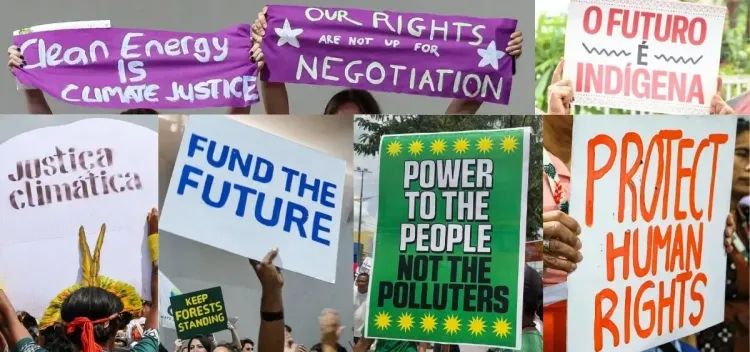
At COP31 in Antalya, indigenous women and frontline community leaders are pushing back against their marginalisation in global climate governance. Through a WECAN-organised side event, they are demanding direct access to climate finance, formal recognition of community-led solutions, and Rights of Nature protections — arguing that no transition can be just if those most affected by climate breakdown have no power over the decisions that shape it.
Key Takeaways
A WECAN -organised side event at COP31 in Antalya, Turkey on 16 November 2026 elevated demands from indigenous women and frontline community leaders.
Key issues included fossil fuel phaseout, forest and biodiversity protection, Rights of Nature recognition, and climate justice finance.
Participants called for stronger implementation of the Gender Action Plan and the Just Transition Work Programme .
Frontline leaders argued a just transition must confront structural inequalities and protect indigenous land rights — not just replace fossil fuels.
COP31 entered its final week with governments under pressure to convert broad commitments into binding support for frontline leadership.
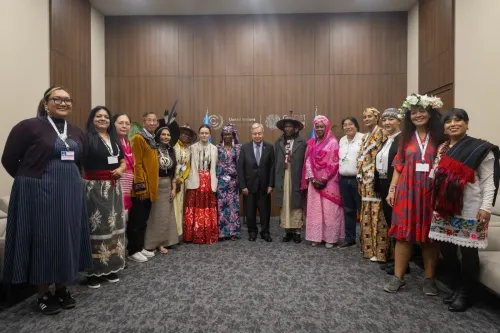
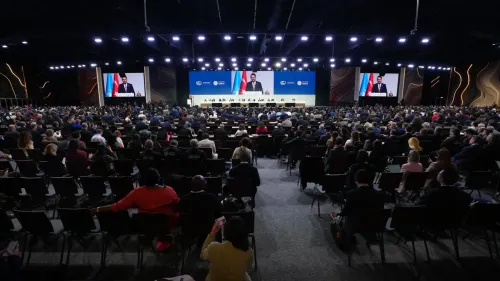
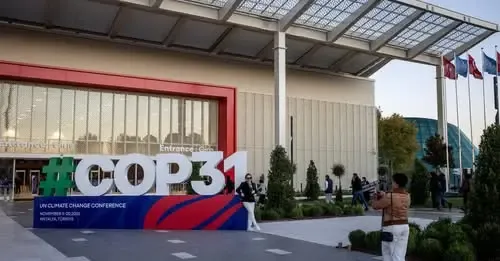
Women leaders from indigenous nations, frontline communities and climate justice movements gathered at the 31st United Nations Climate Change Conference (COP31) in Antalya, Turkey on Monday, 16 November 2026, to demand a decisive voice in shaping global climate policy — even as the world edges closer to breaching the 1.5 degrees Celsius warming threshold. A side event organised by the Women's Earth and Climate Action Network (WECAN) placed women-led climate solutions and indigenous land rights at the centre of COP31's final week of negotiations.
Key Demands at the WECAN Side Event
The gathering spotlighted a range of urgent priorities: forest and biodiversity protection, a full phaseout of fossil fuels, formal recognition of the Rights of Nature, climate justice finance, and the advancement of women's leadership in climate decision-making. Discussions examined how existing international climate frameworks — in particular the Gender Action Plan and the Just Transition Work Programme — can better respond to the priorities of women and frontline communities.
A central concern was the persistent gap between acknowledging women's contributions to climate action and granting them the political authority and financial resources to lead it. Participants pushed for direct access to climate funding and formal recognition of community-led solutions within global policy frameworks.
What a 'Just Transition' Means for Frontline Communities
For indigenous communities and frontline women, the concept of a just transition extends well beyond replacing fossil fuels with renewable energy. It must also confront structural inequalities embedded in existing economic systems, protect ancestral territories and biodiversity, respect indigenous rights, and ensure communities retain meaningful decision-making power over their land and livelihoods.
The recognition of the Rights of Nature emerged as a key dimension of the discussions — reflecting a broader demand to move beyond treating forests, rivers and ecosystems as purely economic assets and instead acknowledge their intrinsic value. This comes amid growing frustration among frontline groups that climate commitments have consistently failed to address the structural inequalities underpinning environmental destruction.
The Representation Gap in Global Climate Governance
Across the world, indigenous women and frontline communities are reportedly defending forests, protecting biodiversity and safeguarding ancestral territories — often at significant personal and political risk. Yet, according to advocates at the event, they continue to struggle for meaningful influence over the policies, financing and decisions that shape climate action globally.
The COP31 discussions sought to address this imbalance by placing frontline leadership and community-based solutions at the core of the climate agenda. Participants argued that women and indigenous communities are not merely victims of climate change or passive beneficiaries of climate policy — they are knowledge holders, ecosystem defenders and architects of solutions that protect both communities and the natural world.
What Negotiators Are Watching
As COP31 enters its final week in Antalya, governments are under pressure to translate broad commitments into concrete, enforceable support for frontline leadership. The event reinforced a core climate justice principle: solutions cannot be considered effective or equitable if the communities most affected by the crisis are excluded from shaping them. The outcome of negotiations on the Just Transition Work Programme and climate finance architecture will be closely watched by civil society groups as a test of whether these calls gain any binding traction.
Point of View
Yet the gap between rhetorical recognition and actual political authority for frontline women has barely closed. What the WECAN gathering makes clear is that climate finance architecture is as much a justice issue as an emissions one — and that any transition framework which routes funding through national governments without guaranteeing direct community access will replicate the same exclusions it claims to remedy. How negotiators respond in COP31's final week will signal whether these calls produce enforceable outcomes or remain, once again, in the margins of the final text.
NationPress
16 Nov 2026
Frequently Asked Questions
What is COP31 and where is it being held?
COP31 is the 31st United Nations Climate Change Conference, currently underway in Antalya, Turkey. It is a key global forum where governments negotiate climate commitments and policy frameworks aimed at limiting warming to 1.5 degrees Celsius.
What did the WECAN side event at COP31 focus on?
The Women's Earth and Climate Action Network (WECAN) side event focused on women-led climate solutions and the persistent marginalisation of indigenous and frontline communities in global climate decision-making. Key themes included fossil fuel phaseout, Rights of Nature recognition, and direct access to climate finance for community-led initiatives.
Why do indigenous communities demand a greater role in climate negotiations?
Indigenous women and frontline communities are actively defending forests, biodiversity and ancestral territories, yet they have limited influence over the policies and financing that govern climate action. Advocates argue that effective climate solutions require the leadership and rights of those most affected by the crisis.
What is the Rights of Nature and why does it matter at COP31?
The Rights of Nature is a legal and philosophical framework that recognises ecosystems — forests, rivers, biodiversity — as having intrinsic value beyond their economic utility. At COP31, frontline leaders are calling for its formal recognition to shift climate governance away from purely extractive models.
What are the Gender Action Plan and the Just Transition Work Programme?
The Gender Action Plan is a UN climate framework mechanism designed to mainstream women's participation and leadership in climate policy. The Just Transition Work Programme addresses the need for equitable economic transformation as the world moves away from fossil fuels. Frontline communities at COP31 are pushing for stronger implementation of both instruments, with direct funding access and binding recognition of community-led solutions.