Cuba condemns new US sanctions on 5 state firms, Castro family member
Synopsis
The Trump administration has sanctioned five Cuban state entities — three tied to the powerful GAESA military conglomerate — and a Castro family member, in what Washington calls a revenue-choking campaign. Cuba's foreign minister fired back on X, calling Secretary of State Marco Rubio 'dishonest and mendacious' and the measures a 'crime.' The personal targeting of the Castro family network signals a deliberate escalation beyond institutional designations.
Key Takeaways
The Trump administration announced sanctions on five Cuban state-owned entities and a member of the Raúl Castro extended family on 24 June 2025 .
Three sanctioned entities are linked to GAESA , Cuba's military-run economic conglomerate; two others operate in the mining and metallurgical sectors .
US Secretary of State Marco Rubio said the targets 'fund, facilitate, or benefit from the regime's malign activities.' Cuban Foreign Minister Bruno Rodríguez condemned the measures on X , calling Rubio 'dishonest and mendacious' and the sanctions a 'crime.' Cuba argued the measures amount to collective punishment of its civilian population rather than targeted accountability.
Cuba on Tuesday, 24 June 2025 sharply condemned fresh United States sanctions targeting five Cuban state-owned entities and a member of the extended family of former Cuban President Raúl Castro, with Havana charging that Washington is deliberately engineering economic pain for the island's population. The measures, announced by the Trump administration, mark another escalation in the long-running US pressure campaign against the Cuban government.
What the Sanctions Cover
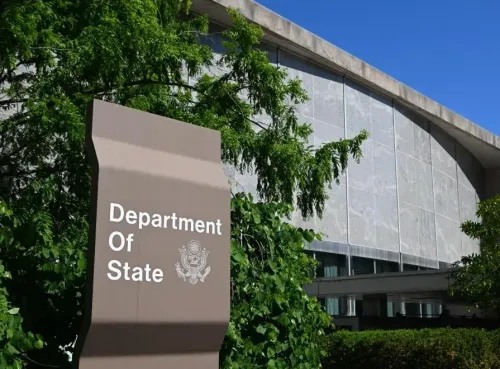
According to a fact sheet published by the US Department of State, three of the five sanctioned entities are linked to Grupo de Administración Empresarial S.A. (GAESA) — the military-run conglomerate that Washington describes as the financial backbone of the Cuban government. Two of those three are financial institutions reportedly involved in moving funds on behalf of Havana, while the third is a logistics company supporting operations across the island. The remaining two sanctioned entities operate in Cuba's mining and metallurgical sectors.
What Washington Said
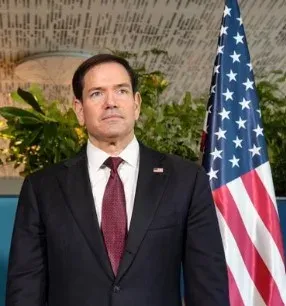
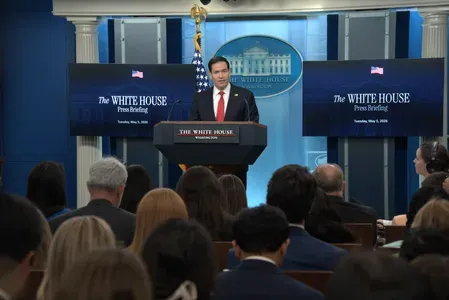
US Secretary of State Marco Rubio announced the measures, stating they targeted entities and individuals that 'fund, facilitate, or benefit from the regime's malign activities, both in Cuba and across our hemisphere.' Rubio specifically called out GAESA, saying it 'continues to operate as the financial muscle behind the Cuban regime's repressive security apparatus.' The Trump administration framed the sanctions as part of a broader effort to cut off revenue flowing to the Cuban government.
Havana Hits Back
Cuban Foreign Minister Bruno Rodríguez responded sharply in a post on X, directly targeting Rubio by name. 'The U.S. government, led by its dishonest and mendacious Secretary of State (Marco Rubio), continues to take steps to tighten the noose around Cuba's economy,' Rodríguez wrote. He argued that the sanctions reflect frustration in Washington over Cuba's resilience, saying the island 'has proven to be stronger, more capable, and more effective than he expected in the face of the ruthless aggression and collective punishment against the people and their living conditions.' Rodríguez went further, calling Rubio's actions 'a crime' given the power asymmetry between the two nations.
Context and Broader Pattern
This is not an isolated move. The Trump administration has consistently expanded the sanctions architecture against Cuba since returning to office, targeting sectors that generate hard currency for the government, including tourism, remittances, and now mining and logistics. GAESA, which controls a significant portion of Cuba's formal economy, has been a recurring target of US designations. Notably, this round also extends pressure to the Castro family network — a signal that Washington is attempting to personalise economic coercion beyond institutional targets. Cuba, for its part, has consistently rejected the sanctions as collective punishment of its civilian population rather than targeted accountability measures.
What Comes Next
The sanctioned entities will face asset freezes and be cut off from the US financial system. Analysts expect Havana to continue seeking alternative trade and credit arrangements with allies including Russia, China, and Venezuela, though Cuba's economic crisis — marked by severe fuel, food, and medicine shortages — has deepened in recent years. Further designations from Washington cannot be ruled out, given the administration's stated goal of choking off regime revenues entirely.
Point of View
But Rodríguez's unusually personal attack on Rubio by name — on X, not in a formal statement — suggests Havana is also playing to a domestic audience facing acute economic hardship. The risk is that tightening sanctions accelerate migration and humanitarian distress without producing the political change Washington seeks.
NationPress
24 Jun 2026
Frequently Asked Questions
What did the US sanction Cuba over on 24 June 2025?
The US sanctioned five Cuban state-owned entities and a member of the extended family of former President Raúl Castro, targeting organisations linked to GAESA and Cuba's mining and metallurgical sectors. Washington said the measures were aimed at cutting off revenue to the Cuban government.
What is GAESA and why is it a sanctions target?
GAESA, or Grupo de Administración Empresarial S.A., is a military-run conglomerate that controls a large share of Cuba's formal economy, including tourism, retail, and logistics. The US describes it as the financial backbone of the Cuban government and has repeatedly sanctioned its subsidiaries.
How did Cuba respond to the new US sanctions?
Cuban Foreign Minister Bruno Rodríguez condemned the sanctions in a post on X, calling Secretary of State Marco Rubio 'dishonest and mendacious' and describing the measures as a 'crime.' Havana argued the sanctions constitute collective punishment of the Cuban people rather than targeted accountability.
Who in the Castro family was sanctioned?
The sanctions include a member of the extended family of former Cuban President Raúl Castro, according to the US Department of State fact sheet. The specific individual was not named in available reports.
What impact will the sanctions have on Cuba?
The sanctioned entities will face US asset freezes and be cut off from the American financial system. Cuba is expected to seek alternative arrangements with allies such as Russia, China, and Venezuela, though the island is already experiencing severe shortages of fuel, food, and medicine.