Senate Democrats grill Rubio on 44% aid cut, Ebola outbreak response
Synopsis
Rubio's first big budget hearing exposed the real cost of the administration's aid overhaul: WHO funding zeroed out, disease-specific accounts gone, and Ebola screening pushed from Congo back to Dulles. Democrats framed it as Congress being shut out; Rubio called it a long-overdue reset tied to ‘outcomes' rather than open-ended grants.
Key Takeaways
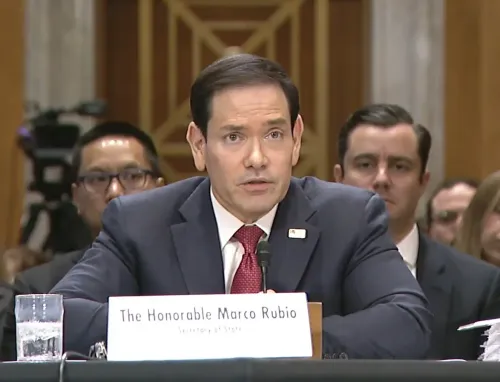
Marco Rubio defended a proposed 44% cut to the State Department budget before the Senate Foreign Relations Committee on Tuesday .
Ranking Member Jeanne Shaheen said the cuts would eliminate US funding to the WHO and all disease-specific accounts amid an active Ebola outbreak.
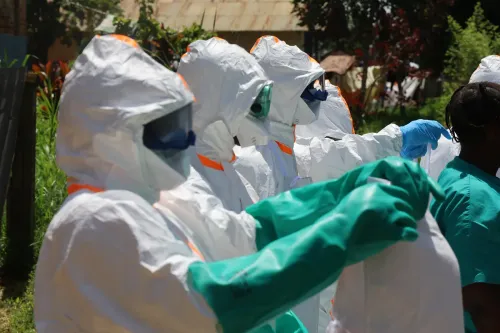
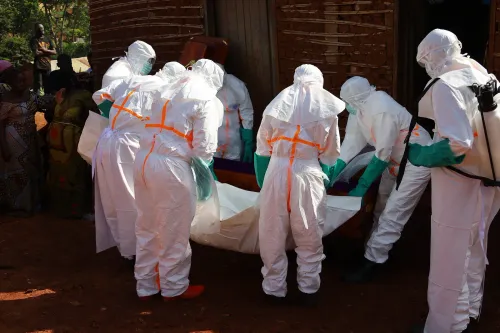
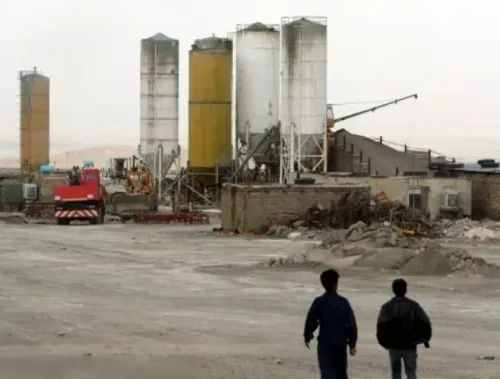
Ebola screening has shifted to Dulles Airport after USAID-backed programmes in Congo and Uganda were scaled back.
HHS Secretary Robert F.
Kennedy Jr. is leading the review of Gavi funding, citing his views on vaccine safety.
Rubio said the main obstacle to aid delivery in Sudan is distribution and insecurity, not funding levels.
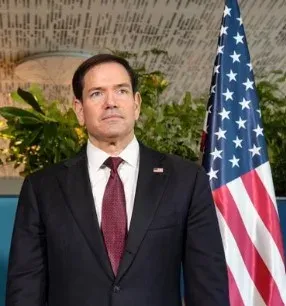
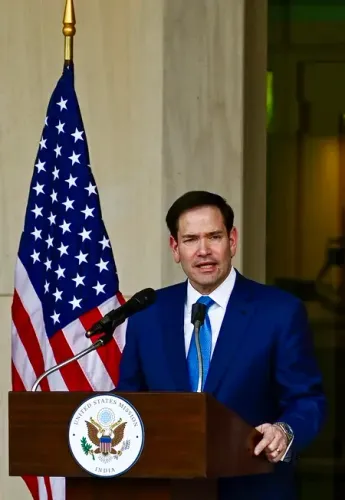
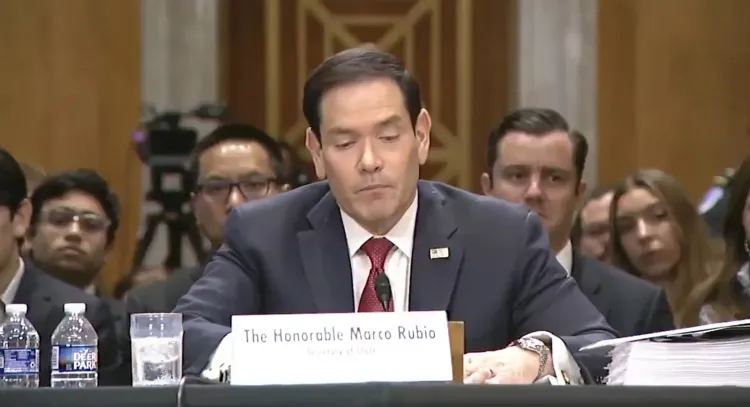
US Secretary of State Marco Rubio on Tuesday faced sharp pushback from Senate Democrats over the Trump administration's 44% proposed cut to the State Department budget, stalled Congressional briefings and Washington's response to a widening Ebola outbreak in Africa. The exchange unfolded during a Senate Foreign Relations Committee hearing in Washington, where Ranking Member Jeanne Shaheen led the charge.
Key Developments
Shaheen, a Democrat from New Hampshire, accused the administration of repeatedly ignoring Congressional requests for briefings on US force posture in Europe, Ukraine, sanctions policy, global media programmes and Iran-related developments. ‘You were a Senator. You sat on this committee. You sat on the Intelligence Committee. You know as well as anyone that effective American foreign policy requires a strong partnership with Congress,' she told Rubio.
‘Congress cannot be a partner if it's kept in the dark,' Shaheen added, framing the standoff as an institutional rupture rather than a routine disagreement.
The Budget Flashpoint
Shaheen warned that the proposed 44% reduction — which includes eliminating US funding to the World Health Organisation (WHO) and zeroing out disease-specific accounts — would cripple outbreak response. ‘That includes eliminating funding to the WHO. It includes eliminating all disease-specific funds in the middle of an Ebola crisis that's affecting Americans,' she said.
She argued that the rollback of programmes once run through the US Agency for International Development had already degraded frontline detection. ‘Today we have to screen for Ebola at Dulles Airport rather than in Congo and Uganda, more than 7,000 miles away,' Shaheen said.
What Rubio Said
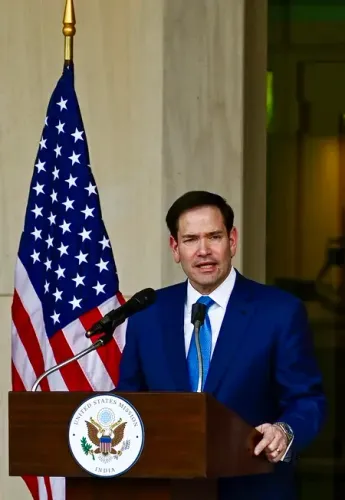
Rubio defended the overhaul, arguing that foreign assistance was being restructured around American interests and measurable results. ‘The old model had to be replaced,' he said in his opening remarks, adding that surviving programmes are now run under State Department strategic direction. ‘We're not just providing money, we are also seeking outcomes,' Rubio said.
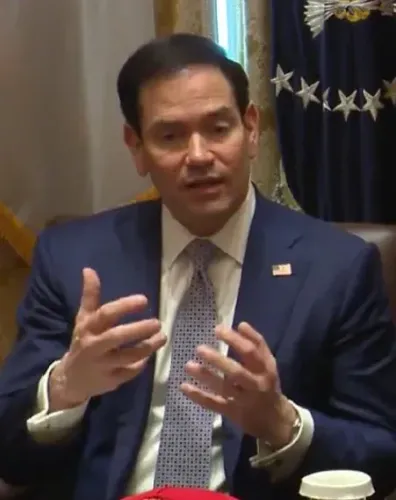
On Gavi, the international vaccine alliance helping fund a vaccine for the Ebola strain driving the current outbreak, Rubio acknowledged the funding question remained under review. He said Health and Human Services Secretary Robert F. Kennedy Jr. had been given a leading role in evaluating Gavi support, citing Kennedy's views on vaccine safety. ‘The State Department will — is — a few weeks ago made the decision that we were going to reengage on this issue of Gavi,' Rubio said, adding, ‘We intend to get this resolved. We want to get this resolved.'
Sudan and the Aid Delivery Problem
Pressed on humanitarian assistance levels in Sudan, Rubio said the binding constraint was logistics, not dollars. ‘The fundamental challenge in Sudan is distribution,' he said, citing attacks on aid workers, theft and insecurity that block deliveries into conflict zones.
What Happens Next
The Gavi funding decision and the fate of disease-specific accounts are expected to dominate upcoming appropriations talks, with global health groups warning that delays during an active Ebola flare-up carry real epidemiological cost. The committee is likely to revisit the briefings backlog in subsequent hearings.
Point of View
Paired with zeroing out WHO and disease-specific accounts during an active Ebola outbreak, is not a routine austerity move — it is a structural pivot away from multilateral health architecture the US largely built. Handing Gavi review to a Health Secretary known for vaccine scepticism deepens that signal. The real question Congress has not yet forced: if outbreaks are now detected at Dulles instead of in Congo, what is the contingency when detection comes too late?
NationPress
20 Oct 2026
Frequently Asked Questions
Why did Senate Democrats criticise Marco Rubio?
Senate Democrats, led by Ranking Member Jeanne Shaheen, criticised Rubio over a proposed 44% cut to the State Department budget, repeated failures to brief Congress on key foreign policy matters, and the administration's handling of a growing Ebola outbreak in Africa. The hearing took place before the Senate Foreign Relations Committee on Tuesday.
What does the 44% State Department budget cut include?
The proposed cut would eliminate US funding to the World Health Organisation and all disease-specific accounts, according to Shaheen. She warned this would gut outbreak-response capacity during an active Ebola crisis.
What is the status of US funding to Gavi?
Rubio said the State Department decided weeks ago to reengage on Gavi funding, but the matter remains under review. HHS Secretary Robert F. Kennedy Jr. has been given a leading role in evaluating support, citing his views on vaccine safety.
Why is Ebola screening now happening at Dulles Airport?
Shaheen said the rollback of USAID-supported programmes has weakened frontline detection in countries like Congo and Uganda, forcing the US to screen for Ebola at Dulles Airport — more than 7,000 miles from the outbreak zone — rather than at the source.
What did Rubio say about aid to Sudan?
Rubio said the fundamental challenge in Sudan is distribution, not funding. He cited attacks on humanitarian workers, theft and insecurity in conflict zones as the main reasons assistance is failing to reach vulnerable populations.