Rubio: US blocking Ebola spread amid DRC outbreak fears
Synopsis
At a White House Cabinet meeting, Secretary of State Marco Rubio declared the US will not allow any Ebola cases to enter the country, citing a coordinated federal response involving the CDC, HHS, and State Department. With the DRC outbreak ongoing, the administration is framing health security as central to its foreign policy — and border enforcement is part of that equation.
Key Takeaways
Secretary of State Marco Rubio stated the Trump administration is working aggressively to block Ebola from entering the United States .
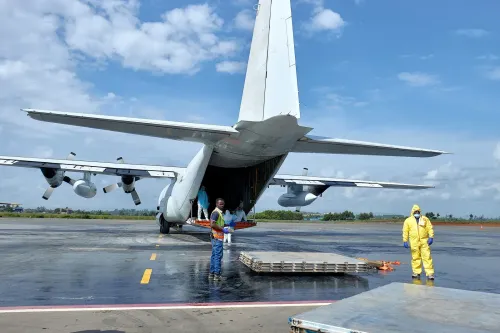
Rubio confirmed the State Department , CDC , and HHS are coordinating containment efforts, particularly in the Democratic Republic of the Congo .
The US has also secured agreements with 20 countries to accept deportees, linking border security to public health measures.
President Donald Trump did not elaborate on Ebola at the Cabinet meeting, which focused primarily on Iran, immigration, and energy policy.
The DRC has faced periodic Ebola outbreaks over the past decade, each prompting international health responses led by the WHO and partner governments.
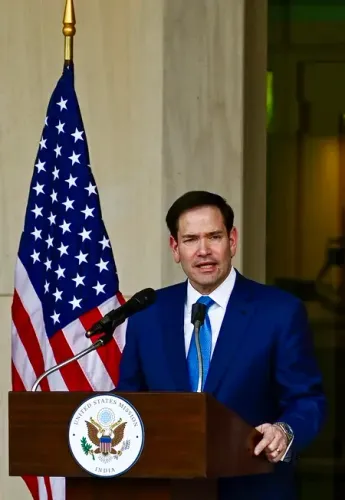
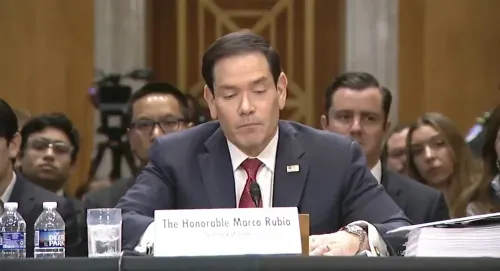
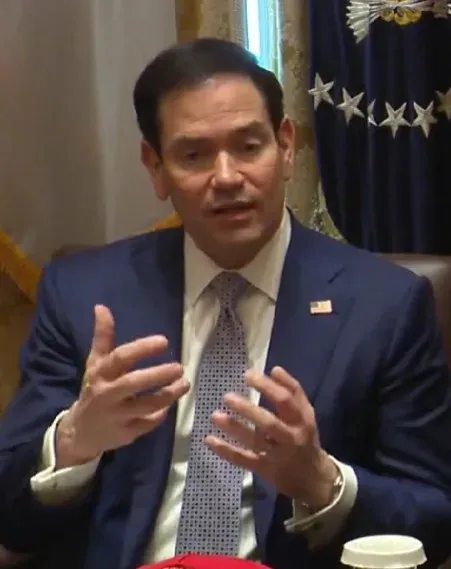
US Secretary of State Marco Rubio said on Wednesday that the Trump administration was working aggressively to prevent Ebola from entering the United States, as concern grows over the ongoing outbreak in parts of Africa, particularly the Democratic Republic of the Congo (DRC). Rubio made the remarks during a Cabinet meeting chaired by President Donald Trump at the White House.
What Rubio Said
'We cannot and will not allow any cases of Ebola to enter the United States,' Rubio stated, adding that protecting Americans remained the administration's top priority on this front. He also said, 'We've surged assistance to make sure that that is being contained there,' referring to efforts in the DRC.
Rubio assured the public: 'Americans should feel assured that the President and his administration is doing everything we can to protect them on that front.'
Federal Agencies Coordinating Response
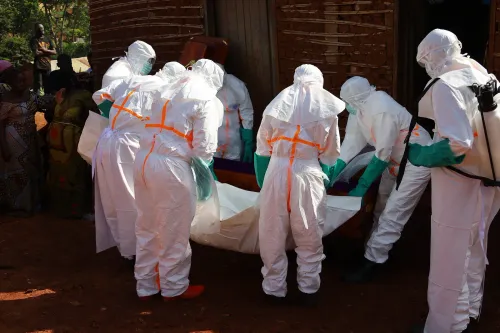
According to Rubio, the State Department, the Centers for Disease Control and Prevention (CDC), the Department of Health and Human Services (HHS), and several other federal agencies are coordinating to contain the outbreak in affected regions. The administration is also monitoring travellers and border movements to prevent any infected individuals from entering the country.
Notably, President Trump did not elaborate extensively on the Ebola issue during the meeting, which focused heavily on Iran, immigration, energy policy, defence spending, and government fraud investigations.
Broader Foreign Policy Context
Rubio linked health security to wider foreign policy priorities, stating that protecting US citizens remained the 'number one priority' of American foreign policy. Earlier in the same Cabinet meeting, he said the US had secured agreements with 20 countries to accept deportees as part of tightened immigration enforcement — signalling that border security and public health were being treated as interconnected concerns.
Background: DRC and Ebola's History
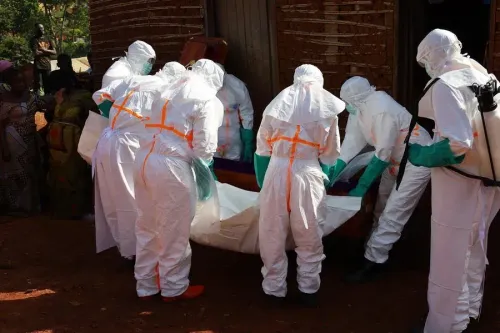
The Democratic Republic of the Congo has experienced periodic Ebola outbreaks over the past decade, each triggering international health responses led by local authorities, the World Health Organization (WHO), and partner governments. Ebola is a highly infectious viral disease that spreads through direct contact with infected bodily fluids and carries a high fatality rate in severe outbreaks.
Previous outbreaks in West and Central Africa raised global alarm due to the speed at which the virus can cross borders via international travel. The US has historically responded with enhanced airport screening, travel monitoring, and international medical assistance during such crises. India, too, has closely monitored Ebola developments given its increasing travel and mobility links with Africa and the Middle East.
With federal agencies now on heightened alert, the administration's next steps — particularly on travel screening protocols and international aid disbursement — will be closely watched by global health bodies.
Point of View
But the substance behind it remains thin on detail — no specific screening protocols, no aid figures, no timeline. Framing Ebola containment alongside deportation agreements risks conflating public health with immigration politics, which could complicate cooperation with African governments whose buy-in is essential for containing the virus at source. The DRC has seen repeated outbreaks precisely because of governance and access challenges that US rhetoric alone cannot resolve. The real test is whether the 'surged assistance' Rubio referenced translates into measurable on-ground impact in the DRC, not just reassurances at a Cabinet table.
NationPress
11 Oct 2026
Frequently Asked Questions
What did Marco Rubio say about Ebola at the Cabinet meeting?
Rubio said the Trump administration is working aggressively to prevent Ebola from entering the United States, declaring 'We cannot and will not allow any cases of Ebola to enter the United States.' He confirmed multiple federal agencies are coordinating containment efforts, especially in the Democratic Republic of the Congo.
Which US agencies are involved in the Ebola response?
The State Department, the Centers for Disease Control and Prevention (CDC), and the Department of Health and Human Services (HHS), along with several other federal agencies, are coordinating the US response to the Ebola outbreak abroad.
Where is the current Ebola outbreak?
The outbreak is primarily centred in the Democratic Republic of the Congo, which has faced periodic Ebola outbreaks over the past decade. International responses have typically been led by local authorities, the WHO, and partner governments including the United States.
How does Ebola spread and why is it dangerous?
Ebola spreads through direct contact with the bodily fluids of an infected person and carries a high fatality rate in severe outbreaks. Previous outbreaks in West and Central Africa triggered global concern due to the speed at which the virus can cross international borders through travel.
Why does this matter for India?
India has closely monitored Ebola outbreaks given its growing travel and mobility links with Africa and the Middle East. Any significant escalation in the DRC outbreak could prompt Indian health authorities to activate enhanced screening at international airports and ports of entry.