Mauritius bans entry of travellers from DRC, Uganda, South Sudan amid Ebola outbreak
Synopsis
Mauritius has shut its doors to travellers from three Ebola-hit African nations — DRC, Uganda, and South Sudan — and is pushing for the postponement of a major US-Africa business summit. With 34 health workers already infected and a $518 million continental response plan just launched, the outbreak is testing Africa's health architecture at its weakest points.
Key Takeaways
Mauritius has imposed a temporary entry ban on foreign nationals with travel history to the DRC , Uganda , or South Sudan in the past 21 days .
Returning Mauritian citizens and valid permit holders from affected countries face mandatory 21-day quarantine .
The Ebola outbreak was declared in the DRC and Uganda on 15 May ; the WHO subsequently declared it a public health emergency of international concern.
34 health workers have been infected so far — seven have died, six have recovered, according to Africa CDC and WHO .
The Africa CDC and WHO are seeking 518 million US dollars to fund a continental response plan covering June to November .
The 18th US-Africa Business Summit , scheduled for July in Mauritius, has been called for postponement.
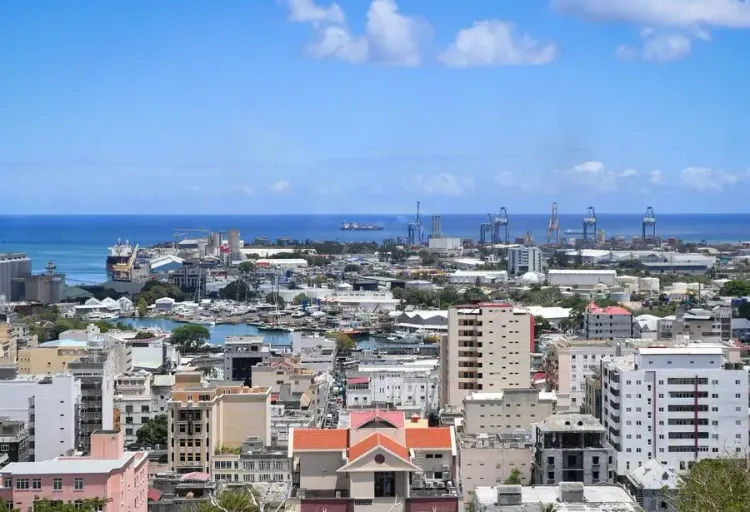
The Mauritian government has imposed a temporary entry ban on foreign nationals who have travelled to, transited through, or stayed in the Democratic Republic of the Congo (DRC), Uganda, or South Sudan within the past 21 days, following the latest Ebola virus outbreak across the three countries. The measure, announced from Port Louis, takes immediate effect as regional health authorities warn of a serious and escalating public health threat.
Who Is Affected and What the Rules Require
Foreign nationals with recent travel history to any of the three affected countries are barred from entering Mauritius until further notice. Mauritian citizens and foreign residents holding valid work, residence, occupation, business, or student permits retain the right to enter but must undergo a mandatory 21-day quarantine if they have visited the affected countries in the preceding three weeks.
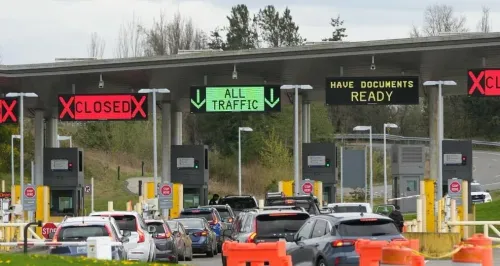
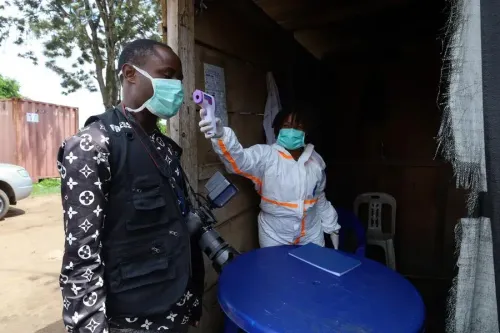
Authorities will enforce screening and risk assessments at all points of entry for travellers arriving from affected regions. Any individual presenting symptoms consistent with Ebola will be immediately isolated and clinically assessed.
The Scale of the Outbreak
The Ebola outbreak was formally declared in the DRC and Uganda on 15 May, after which the World Health Organization (WHO) designated it a public health emergency of international concern — the highest alert level in global health governance. According to the African Union, the outbreak continues to pose a serious threat to regional public health.
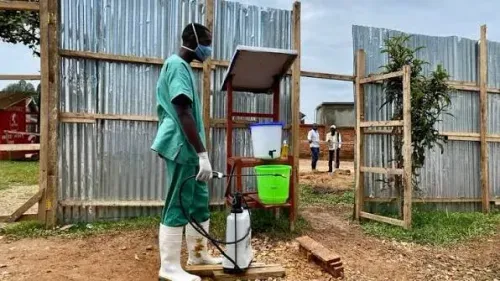
As of the latest figures, 34 health workers have been infected with the Ebola virus, of whom seven have died and six have recovered, according to the Africa Centers for Disease Control and Prevention (Africa CDC) and the WHO.
Continental Response Plan and Funding Target
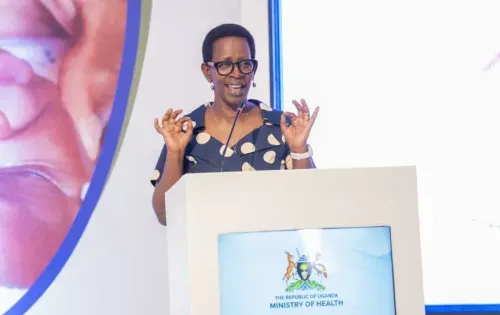
The Africa CDC and WHO on Friday jointly launched a continental Ebola outbreak preparedness and response plan, seeking to raise 518 million US dollars to support African nations in preparing for, detecting, and responding to the outbreak over the period from June to November.
Officials at the launch highlighted significant operational challenges, including a lack of available medical countermeasures for the Bundibugyo Ebola strain, weak health infrastructure, and pressure on health systems already managing multiple concurrent emergencies. Resource constraints, high population mobility, insecurity, displacement, health worker infections, and widespread misinformation were cited as compounding factors.
Business and Diplomatic Impact
The Mauritian government has also called for the 18th US-Africa Business Summit, originally scheduled for July in Mauritius, to be postponed. The move signals that the outbreak's disruption extends well beyond health systems into trade and diplomatic engagement. This is a notable development for a small island economy that has positioned itself as a premier African business hub.
What Comes Next
With the WHO emergency declaration in place and a continental funding drive under way, the trajectory of the outbreak over the coming weeks will determine whether Mauritius and other nations ease or tighten current restrictions. Health authorities are expected to review entry protocols in line with evolving WHO guidance and Africa CDC assessments.
Point of View
Trade-dependent nations that a single outbreak in a neighbouring region can rapidly destabilise both public health and economic confidence. The postponement of the US-Africa Business Summit is a tangible cost — and a signal that the outbreak's reach is already geopolitical. More troubling is the Africa CDC's candid admission of a lack of medical countermeasures specific to the Bundibugyo strain: this is not a known gap being managed, it is a structural void. A $518 million ask is significant, but without fast-tracked disbursement mechanisms, the June-to-November window could close before the money moves.
NationPress
24 Oct 2026
Frequently Asked Questions
Why has Mauritius imposed an entry ban related to Ebola?
Mauritius has banned foreign nationals who have recently travelled to the DRC, Uganda, or South Sudan following an Ebola outbreak declared in those countries on 15 May. The WHO has classified the outbreak as a public health emergency of international concern, prompting Mauritius to act to prevent importation of the virus.
Are Mauritian citizens also affected by the travel restrictions?
Mauritian citizens and valid permit holders are still allowed to enter the country but must complete a mandatory 21-day quarantine if they have visited any of the three affected countries within the past three weeks. Foreign nationals without such permits face a full entry ban.
How serious is the current Ebola outbreak?
The outbreak, involving the Bundibugyo Ebola strain, has infected at least 34 health workers, killing seven and leaving six recovered as of the latest figures. The WHO has declared it a public health emergency of international concern, its highest alert level.
What is the Africa CDC and WHO response plan?
The Africa CDC and WHO have jointly launched a continental preparedness and response plan targeting the period from June to November, aiming to raise 518 million US dollars to help African nations detect, prepare for, and respond to the outbreak. Major challenges cited include weak health infrastructure, lack of countermeasures for the Bundibugyo strain, and widespread misinformation.
What events have been disrupted by the Ebola outbreak?
The Mauritian government has called for the postponement of the 18th US-Africa Business Summit, which was originally scheduled for July in Mauritius. The move underscores the outbreak's wider economic and diplomatic impact beyond the health sector.