DNI Jay Clayton: 'Not a cyberattack, not a nation-state'

Synopsis
Director of National Intelligence Jay Clayton, quoted by the White House on 18 November 2026, stated that an unspecified incident is 'not a cyberattack' and 'not a coordinated effort by a nation-state,' in a move aimed at curbing public speculation and preventing diplomatic escalation.
Key Takeaways
DNI Jay Clayton issued a direct denial, ruling out both a cyberattack and nation-state involvement in a currently unspecified incident.
The statement was amplified through the official White House X account on 18 November 2026 .
The Director of National Intelligence oversees the entire U.S. intelligence community , giving the denial significant institutional authority.
The underlying incident has not been publicly identified, suggesting the administration prioritised narrative control over factual disclosure.
Crisis-communication experts note that early DNI statements are designed to prevent speculation from triggering diplomatic or public-safety escalation.
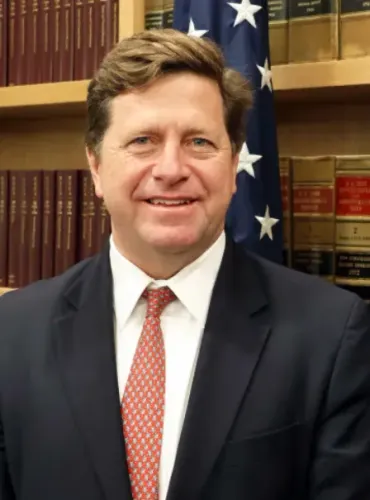
A sharp denial from the top of the U.S. intelligence community landed early Wednesday, cutting through what appears to have been a wave of public speculation about a disruptive incident. Director of National Intelligence Jay Clayton made the statement, quoted directly by The White House on Wednesday, 18 November 2026, ruling out two of the most alarming explanations in a single breath.
Clayton's words were unambiguous: 'This is not a cyberattack and this is not a coordinated effort by a nation-state.' The statement, amplified through the official White House account, is a textbook piece of crisis communication — designed to prevent speculation from hardening into dangerous assumption before the full picture is in.
Why the DNI speaks first — and why it matters
When the Director of National Intelligence steps in front of a developing story, the message is as much about what isn't happening as what is. The office sits atop the entire U.S. intelligence community, coordinating across the CIA, NSA, FBI, and more than a dozen other agencies. A DNI denial carries institutional weight that a departmental spokesperson simply cannot match.
Declaring an event free of foreign-state fingerprints serves an immediate diplomatic function: it removes the trigger for escalation. In an era when a power outage, a data anomaly, or an infrastructure disruption can instantly fuel headlines about adversarial interference, getting authoritative voices on record quickly is now standard executive-branch protocol.
What the statement leaves unanswered
The post does not name the underlying incident — a deliberate omission that is itself telling. The White House chose to circulate the denial without first establishing, publicly, what exactly is being denied. That sequence suggests the administration judged the risk of unchecked speculation to outweigh the risk of a brief factual gap in the public record.
Subsequent official briefings will be watched closely for the full account: what actually triggered the incident, its scale, and what remediation is under way. For now, the message from Washington is firm and narrow — rule out the worst, buy time, steady the room.
Point of View
However, sets up a credibility test: if the incident proves more serious than the framing implies, the administration will face sharp questions about why it led with what the event 'is not' rather than what it is.
NationPress
18 Nov 2026
Frequently Asked Questions
Who is Jay Clayton and what is the Director of National Intelligence?
The Director of National Intelligence (DNI) is the head of the U.S. intelligence community, overseeing agencies including the CIA, NSA, and FBI. Jay Clayton was named as holding that position in this White House statement from November 2026.
What incident did Jay Clayton say was not a cyberattack?
The White House post does not name the specific incident. Clayton's denial rules out a cyberattack and nation-state involvement, but the underlying event has not been publicly identified in this statement.
Why would the White House deny a cyberattack before explaining what happened?
Crisis communication practice in the U.S. executive branch prioritises authoritative denials of worst-case scenarios early, to prevent speculation from escalating into diplomatic tension or public panic before a full account is ready.
What comes after a DNI denial like this?
Typically, subsequent official briefings or press conferences provide the full account of the incident — its nature, scale, cause, and any remediation steps taken by relevant agencies.
Does a DNI statement on X carry official weight?
Yes. When the White House official account quotes the Director of National Intelligence, it carries the authority of the executive office and is treated as an official government position, not an informal remark.