Trump Congratulates Jay Clayton on Senate Confirmation as DNI
Synopsis
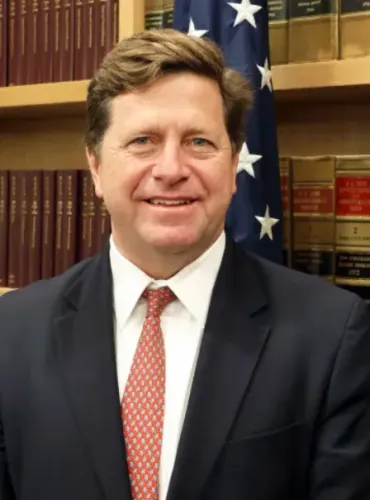
President Trump has congratulated Jay Clayton, former SEC Chairman, on his Senate confirmation as the next Director of National Intelligence — placing a Wall Street regulator at the helm of America's 18-agency intelligence community.
Key Takeaways
Jay Clayton has been confirmed by the US Senate as the next Director of National Intelligence .
Trump announced the confirmation on July 29, 2026 , calling Clayton 'outstanding in every way.' Clayton previously served as Chairman of the SEC from 2017 to 2020 during Trump's first term.
The DNI role was created by the Intelligence Reform and Terrorism Prevention Act of 2004 to oversee all 18 US intelligence agencies .
The confirmation clears the constitutional requirement under the Appointments Clause for Senate approval of senior executive nominations.
A Wall Street regulator is now set to lead America's sprawling intelligence apparatus. President Donald J. Trump congratulated Jay Clayton on his confirmation by the United States Senate as the next Director of National Intelligence, calling him 'outstanding in every way' in a statement posted on Wednesday, July 29, 2026.
From the SEC to the Intelligence Community
Clayton's path to the nation's top intelligence post is unconventional. He previously served as Chairman of the U.S. Securities and Exchange Commission from 2017 to 2020 under Trump's first term — a tenure defined by corporate governance and financial market oversight, not covert operations or signals intelligence. His nomination to the DNI role signalled Trump's preference for trusted loyalists from his first administration over career intelligence veterans.
The Director of National Intelligence position was created by the Intelligence Reform and Terrorism Prevention Act of 2004, passed in the wake of the September 11 Commission's findings. The DNI sits atop a community of 18 federal intelligence agencies, including the CIA, NSA, and DIA, coordinating their work and serving as the President's principal intelligence adviser.
Senate Confirmation and What It Means
Senate confirmation of the DNI is constitutionally mandated under the Appointments Clause — a deliberate check on executive power over the agencies that conduct surveillance, run covert programmes, and produce the President's Daily Brief. Clayton's confirmation clears that hurdle and hands him immediate authority over the intelligence community's priorities, budget, and inter-agency coordination.
Trump's statement left little ambiguity about his confidence in the pick: 'Jay is outstanding in every way, and will do a spectacular job as Director.' The language mirrors the effusive endorsements Trump has long used for confirmed loyalists stepping into senior roles.
What the Intelligence Community Watches Next
With the confirmation secured, attention now shifts to Clayton's transition timeline and his early priorities. The DNI's first months typically set the tone for how intelligence products are framed for the White House — and how much operational independence the individual agencies retain. A figure with a financial-regulation background rather than an intelligence career brings a different management lens to a community accustomed to career professionals at the top.
For India and the broader Indo-Pacific region, the DNI's posture on China, Pakistan, and regional threat assessments carries direct strategic weight. Who shapes American intelligence priorities shapes American foreign policy — and that ripples far beyond Washington.
Point of View
Making the appointee's worldview a direct input into foreign and defence policy. For India, which engages closely with US intelligence frameworks on counterterrorism and Indo-Pacific security, the new DNI's priorities on China and Pakistan will be closely watched. A financial regulator leading the intelligence community is a structural bet that management discipline matters more than tradecraft lineage.
NationPress
27 Oct 2026
Frequently Asked Questions
Who is Jay Clayton and why was he nominated as DNI?
Jay Clayton is a former Wall Street lawyer who served as Chairman of the US Securities and Exchange Commission from 2017 to 2020 under President Trump's first term. Trump nominated him as Director of National Intelligence, signalling trust in a loyalist from his first administration.
What does the Director of National Intelligence do?
The Director of National Intelligence oversees and coordinates all 18 US federal intelligence agencies, including the CIA and NSA. The DNI serves as the principal intelligence adviser to the President and manages the President's Daily Brief.
When was the Director of National Intelligence position created?
The DNI position was created by the Intelligence Reform and Terrorism Prevention Act of 2004, passed after the September 11 Commission recommended a unified intelligence leadership structure.
Why does the US Senate need to confirm the DNI?
Under the US Constitution's Appointments Clause, senior executive officers — including the Director of National Intelligence — must be confirmed by the Senate. This is a constitutional check on presidential appointment power.
How does the new US DNI appointment affect India?
The DNI shapes US intelligence priorities on regional threats, including assessments related to China and Pakistan, which directly influence American foreign and defence policy in the Indo-Pacific — a region of core strategic interest to India.