US sets up AI superintelligence task force; Jay Clayton to chair
Synopsis
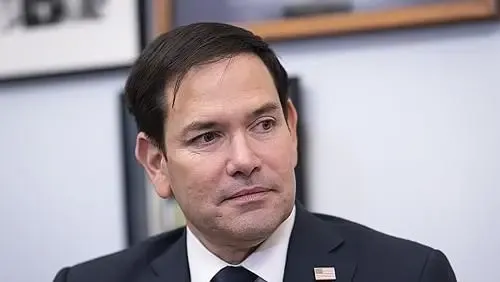
The US has quietly stood up a formal task force — chaired by former SEC chief Jay Clayton — to govern AI superintelligence, with Secretary of State Rubio confirming the move from Athens. It is the most concrete signal yet that the Trump administration sees AI not just as an economic race to win, but as a systemic risk requiring a structured government response.
Key Takeaways
The United States has established a high-level task force on AI superintelligence , confirmed by Secretary of State Marco Rubio on 8 October 2026 .
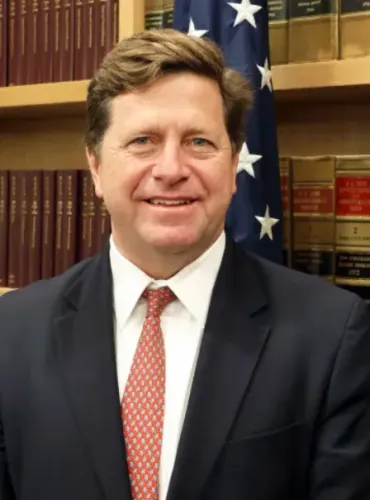
The task force is chaired by Jay Clayton , former chairman of the SEC .
Its mandate covers potential regulatory measures, safeguards, and strategies to maximise AI's economic and strategic benefits.
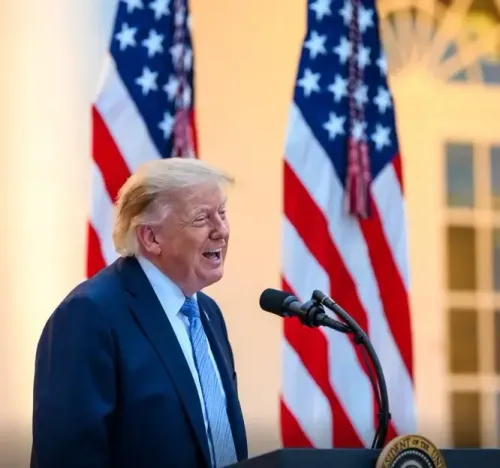
President Donald Trump recently convened a gathering of tech leaders that produced a joint declaration on broad superintelligence principles.
Greek Foreign Minister Gerapetritis warned that AI could deepen inequalities and threaten democratic institutions, even as it delivers scientific breakthroughs.
Rubio stressed the need for rapid action, noting the technology is advancing faster than existing regulatory structures.
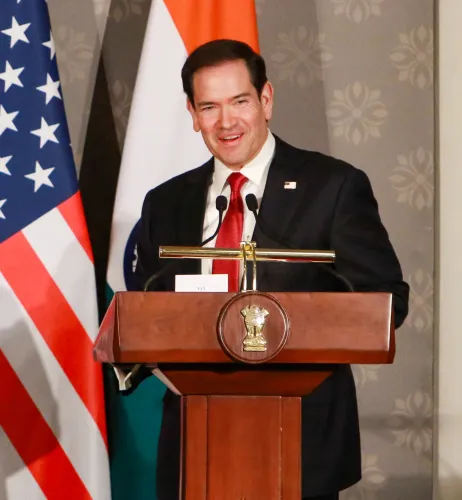
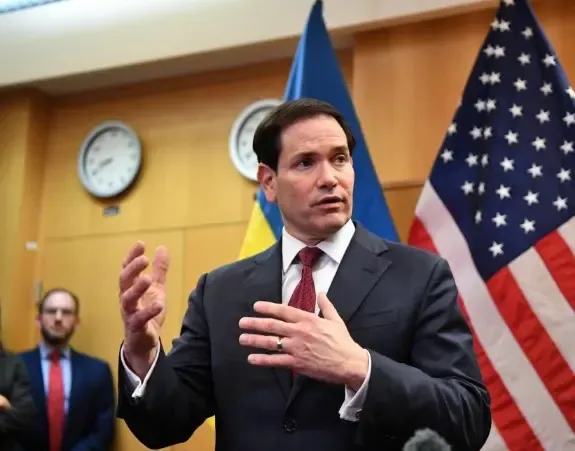
Secretary of State Marco Rubio on 8 October 2026 confirmed that the United States has established a high-level task force to shape its national approach to artificial intelligence superintelligence, acknowledging that the technology carries both extraordinary promise and serious risks that governments must urgently address. The announcement came during a joint press conference with Greek Foreign Minister Giorgos Gerapetritis in Athens.
Task Force Structure and Mandate
The task force will be chaired by Jay Clayton, the former chairman of the Securities and Exchange Commission (SEC). According to Rubio, the body will examine potential regulatory measures, protective safeguards, and strategies to maximise the economic and strategic advantages of increasingly capable AI systems.
Rubio framed the effort as a structured government response to a fast-moving technological challenge. 'The US government has set up a process,' he said, adding that the administration had already assembled a group to consider these questions and develop an appropriate policy framework.
What the Trump Administration Wants
Rubio was responding to a question about whether the government bore responsibility to prevent advanced AI laboratories from developing systems that could pose existential risks to humanity. He said the administration's core objective was twofold: harness the technology's benefits while containing potential harm.
'How do we take the positives of it and harness it in a way that serves the interests of our country, and how do we mitigate or prevent the dangers of it?' Rubio said.
He also referenced a recent gathering of technology leaders convened by President Donald Trump, at which a joint declaration had outlined broad guiding principles for addressing superintelligence. The Secretary of State stressed that the process had to move quickly, given the extraordinary pace at which the technology was advancing.
Greece's Perspective: Benefits and Democratic Risks
Greek Foreign Minister Gerapetritis described AI as a major scientific and industrial breakthrough capable of transforming education, expanding knowledge, and narrowing gaps in expertise. However, he warned that it could simultaneously deepen inequalities and threaten democratic institutions.
Gerapetritis specifically flagged misinformation, disinformation, and addiction among vulnerable populations as areas requiring focused attention. 'Our reality is that artificial intelligence is dual-use. It might be beneficial, but it can also be destructive,' he said.
He called for a balanced regulatory posture: 'So yes to regulation, yes to technology, not no to technophobia.'
The Broader Governance Challenge
The Athens exchange reflects a widening international debate over how governments can regulate advanced AI without stifling innovation. Rubio acknowledged that public and government awareness of AI's implications had shifted significantly in recent years, even though the underlying technology had been developing for some time.
He indicated that Washington intended to work closely with allied governments as it refined its approach — signalling that AI governance could become a new axis of transatlantic and multilateral coordination, much as cybersecurity and nuclear non-proliferation have been in the past.
The task force's findings are expected to inform the first formal US regulatory framework for superintelligent AI systems, with the speed of the technology's development adding pressure to deliver recommendations sooner rather than later.
Point of View
A legislative hook, or any indication of enforcement authority — without those, the task force risks becoming a study group rather than a governing body. The broader tension Rubio articulated in Athens, between moving fast and regulating responsibly, is precisely the contradiction that has paralysed AI governance globally. Washington's credibility here will hinge on whether Clayton's group produces binding frameworks or advisory papers.
NationPress
8 Oct 2026
Frequently Asked Questions
What is the US AI superintelligence task force?
It is a high-level government body established by the Trump administration to develop a regulatory and policy framework for artificial intelligence superintelligence. Confirmed by Secretary of State Marco Rubio on 8 October 2026, the task force is chaired by Jay Clayton and will examine safeguards, regulatory measures, and ways to maximise AI's strategic and economic benefits.
Who is chairing the US AI superintelligence task force?
Jay Clayton, the former chairman of the Securities and Exchange Commission (SEC), has been appointed to chair the task force. Rubio announced the appointment during a joint press conference in Athens alongside Greek Foreign Minister Giorgos Gerapetritis.
Why is the US government moving to regulate AI superintelligence now?
Rubio cited the extraordinary speed at which AI capabilities are advancing and growing public and government awareness of the technology's risks. He said policymakers needed to understand both the benefits and dangers before deciding on the appropriate regulatory role for government, and stressed the process had to move quickly.
What risks did officials identify with AI superintelligence?
Rubio acknowledged the technology could pose serious risks alongside its benefits, without specifying them in detail. Greek Foreign Minister Gerapetritis was more explicit, warning that AI could deepen inequalities, threaten democratic institutions, and enable misinformation, disinformation, and addiction, particularly among vulnerable populations.
Will the US work with other countries on AI governance?
Yes. Rubio indicated that Washington intends to work closely with allied governments as it develops its approach to AI superintelligence. The joint press conference with Greece's foreign minister itself illustrated early diplomatic engagement on the issue, and Rubio referenced a declaration from a tech-leader summit convened by President Trump as a foundation for broader international principles.