Jaishankar at UN: Global South must claim seat at decision-making table
Synopsis
At a high-level India-convened meeting at the UN, External Affairs Minister Jaishankar delivered a blunt verdict: the Global South is absorbing the worst of global crises while being locked out of the rooms where solutions are decided. His call — spanning supply chains, food security, AI, and climate — signals India's push to make Global South coordination a permanent structural reality, not a diplomatic season.
Key Takeaways
EAM S Jaishankar chaired the High-Level Meeting of Like-Minded Global South Countries and Friends at the United Nations on 23 September 2026 .
He declared: 'The Global South today may be in the front row of the global crisis, but is in the back row of decision-making.' Priority areas include eliminating supply-chain choke points, securing sea lanes, addressing food and fertiliser shortages, and guaranteeing the right to industrialise.
Jaishankar called for a human-centric AI framework and sharing of indigenously developed tools among Global South nations.
He endorsed the International Solar Alliance and the Coalition for Disaster Resilient Infrastructure as alternatives to North-led climate mechanisms.
The meeting reflects India's strategic push to institutionalise Global South coordination beyond its G20 presidency year .
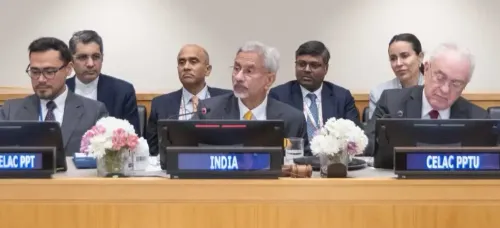
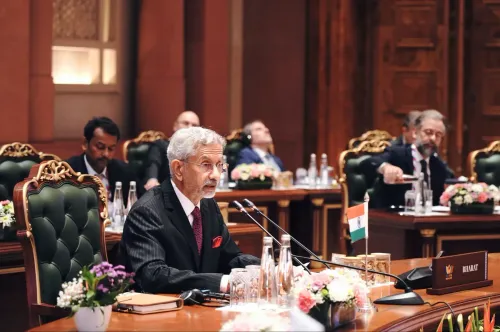
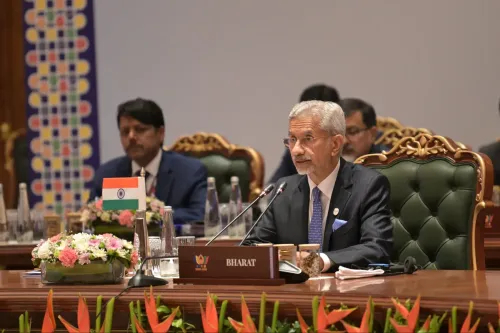
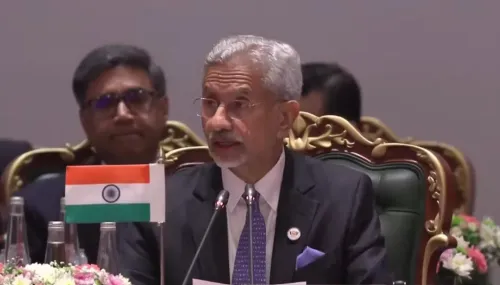
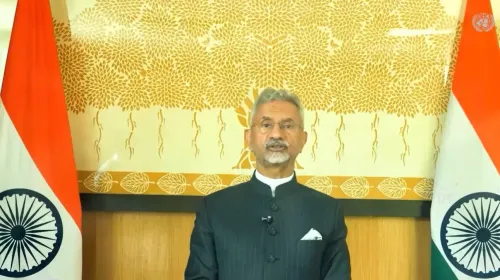
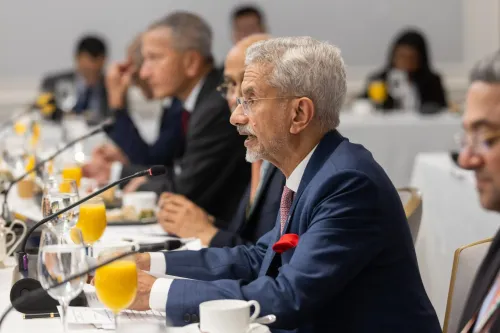
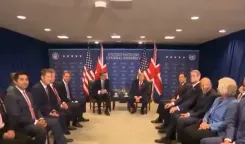
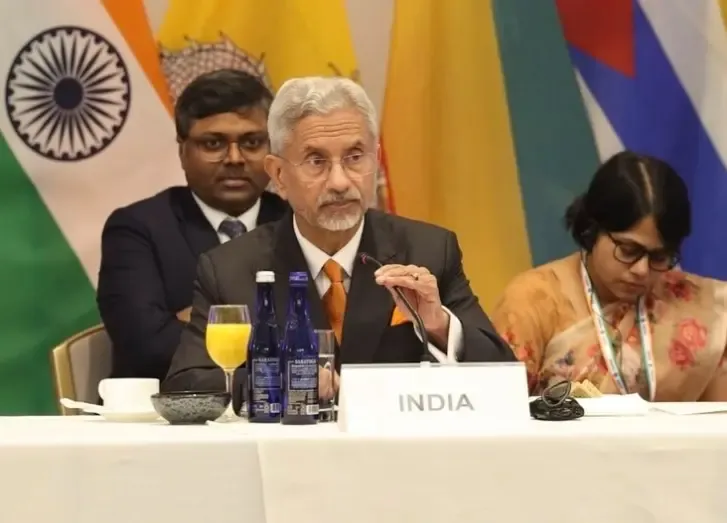
External Affairs Minister S Jaishankar on 23 September 2026 made a forceful call for deeper solidarity among Global South nations, warning that developing countries are bearing the brunt of overlapping global crises while remaining sidelined from the forums that shape responses to those very crises. He was chairing the High-Level Meeting of Like-Minded Global South Countries and Friends, convened by India on the sidelines of the United Nations General Assembly in New York.
The Core Message
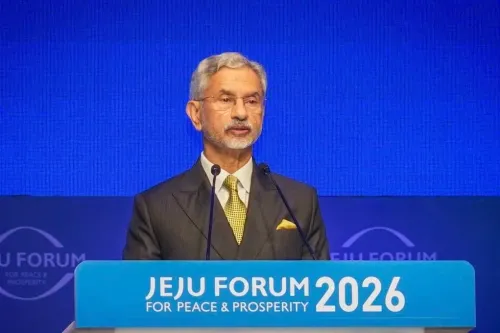
"For the Global South, there has never been a moment as critical as right now for solidarity," Jaishankar said, setting the tone for the high-level gathering. He argued that solidarity is not merely rhetorical but essential to drive change, noting that "the Global South today may be in the front row of the global crisis, but is in the back row of decision-making." The minister stressed that developing nations must become part of "decision-making structures that deliberate on issues that directly pertain to our future."
Key Priority Areas Outlined
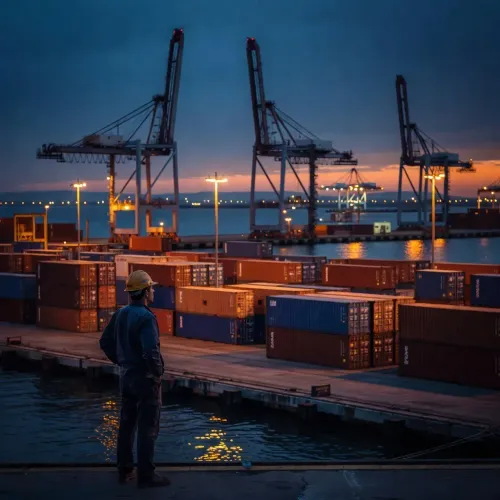
Jaishankar laid out several areas requiring urgent collective action. He called for eliminating "choke points" in supply chains, finance, and connectivity, insisting these should not be legitimised. He also emphasised the need to secure sea lanes for commercial shipping and seafarers under international law.
On food security, he urged nations to swiftly address disruptions in the supply of grains and fertilisers. He pushed back against trade and economic arrangements that, in his framing, reduce Global South nations to "mere consumers," asserting that "our right to industrialise must not be denied."
Technology, AI, and Climate Action
Jaishankar called for reducing dependence on the Global North for technology and international cooperation frameworks. On Artificial Intelligence, he insisted it must remain "human-centric" and advocated sharing indigenously developed tools among Global South members. On climate, he pointed to frameworks such as the International Solar Alliance and the Coalition for Disaster Resilient Infrastructure as credible alternatives to North-led mechanisms, arguing they "could bring about much-needed progress on climate action."
Why This Matters
India's decision to convene the meeting reflects its sustained effort to position itself as the leading voice of the developing world — a role it amplified during its G20 presidency in 2023. This comes amid rising tensions over trade, technology access, and climate finance, with many developing nations caught between competing US and Chinese spheres of influence. Notably, Jaishankar's remarks on supply-chain choke points and industrialisation rights carry pointed relevance in an era of Western export controls and tariff escalations.
The meeting underscores India's intent to institutionalise Global South coordination beyond a single presidency year, pushing for structural inclusion rather than episodic representation.
Point of View
Neither of which offers the Global South genuine agency. The references to supply-chain choke points and the right to industrialise are thinly veiled critiques of Western export controls and Chinese manufacturing dominance simultaneously. Whether India can sustain this convening role without the leverage of a G20 chair will be the real test of its Global South ambitions.
NationPress
23 Sept 2026
Frequently Asked Questions
What did EAM Jaishankar say at the UN Global South meeting?
Jaishankar called for stronger solidarity among Global South nations, warning they are 'in the front row of the global crisis, but in the back row of decision-making.' He outlined priority areas including supply-chain security, food access, industrialisation rights, AI governance, and climate action through South-led frameworks.
Why did India convene a Global South meeting at the UN?
India convened the High-Level Meeting of Like-Minded Global South Countries and Friends to push for greater inclusion of developing nations in global decision-making structures. It reflects India's broader strategy of institutionalising Global South coordination, a role it amplified during its G20 presidency in 2023.
What is the Global South's concern about supply chains and technology?
Jaishankar flagged 'choke points' in supply chains, finance, and connectivity, arguing they should not be legitimised. He also called for reducing dependence on the Global North for technology, advocating the sharing of indigenously developed tools and frameworks among developing nations.
What did Jaishankar say about Artificial Intelligence and climate change?
He stated that AI must remain 'human-centric' and that Global South nations should share indigenously developed tools. On climate, he backed the International Solar Alliance and the Coalition for Disaster Resilient Infrastructure as alternatives to North-led climate action mechanisms.
What does 'right to industrialise' mean in this context?
Jaishankar used the phrase to argue that Global South nations must not be confined to being consumers within global trade and economic arrangements. He called for fair economic and trade practices that enhance production capabilities, pushing back against frameworks that critics say limit developing-country industrial growth.