Jaishankar meets Iran, Oman FMs at UN amid Gulf crisis over Strait of Hormuz
Synopsis
With the Strait of Hormuz nearly at a standstill since a US-Israeli strike on Iran in February, India's top diplomat is working the margins of the UN General Assembly — meeting both Iran and Oman in a single day. A fresh Iranian proposal to reopen the strait for seven days was reportedly shot down by Trump, leaving global shipping in limbo and New Delhi's energy security calculations under fresh strain.
Key Takeaways
Jaishankar met Iran's FM Seyed Abbas Araghchi and Oman's FM Badr bin Hamad Al Busaidi at the UN on 26 September 2026 for updates on the Gulf crisis.
Iran proposed a seven-day plan to reopen the Strait of Hormuz and restart ceasefire talks; US President Trump reportedly rejected it.
An earlier Oman-Iran transit fee arrangement collapsed after Trump reportedly threatened Oman, prompting Iran to walk away.
Tehran has reportedly attacked ships hugging the Omani coast while Iranian ports remain under a US siege .
Jaishankar co-launched the Group of Friends on Safety and Security of Shipping and Seafarers with diplomats from 25 countries , denouncing attacks on vessels and sailors.
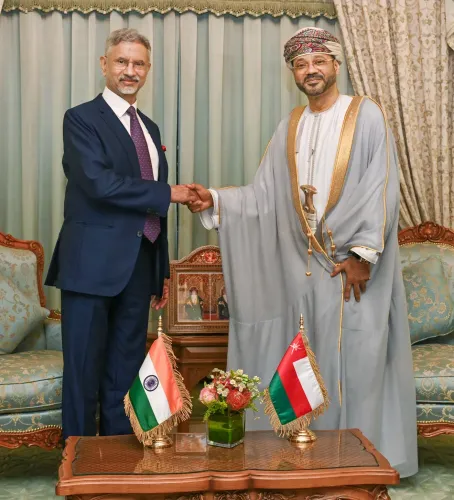
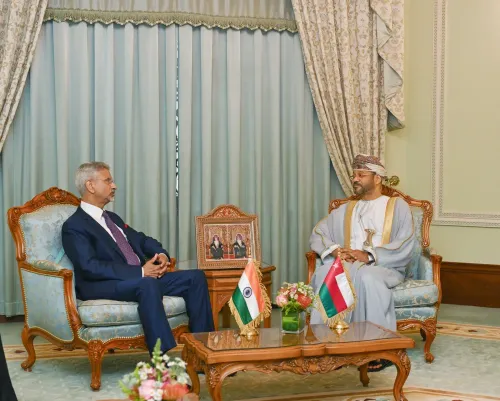
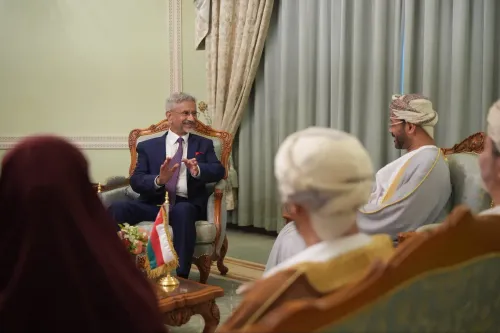
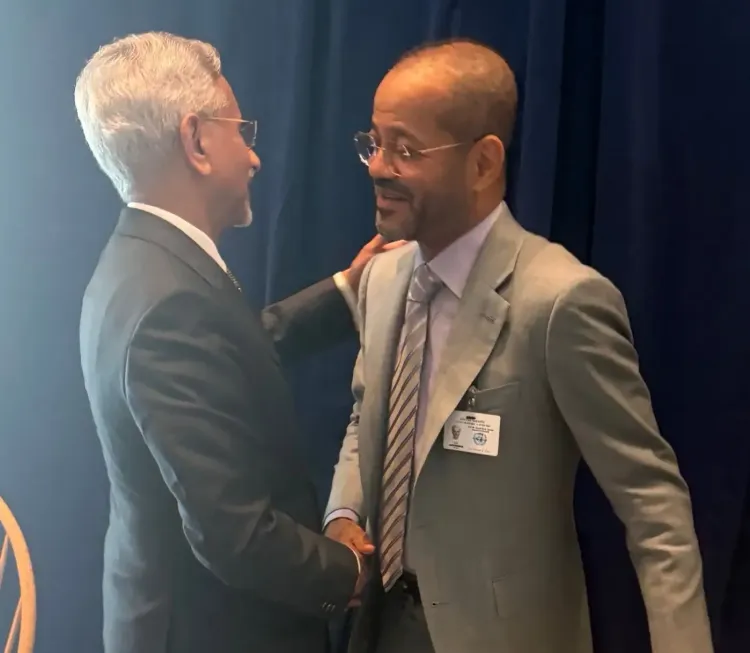
External Affairs Minister S. Jaishankar on Friday, 26 September 2026, held back-to-back meetings with the foreign ministers of Iran and Oman on the sidelines of the United Nations session in New York, seeking firsthand updates on the Gulf crisis that has severely disrupted shipping through the Strait of Hormuz and rattled economies worldwide.
Key Meetings at the UN
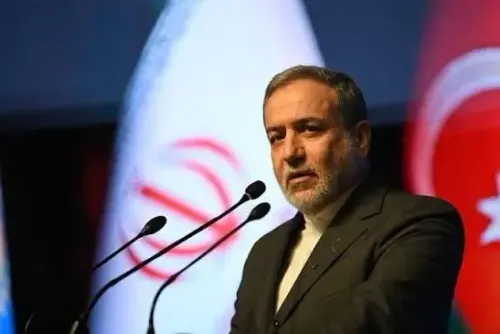
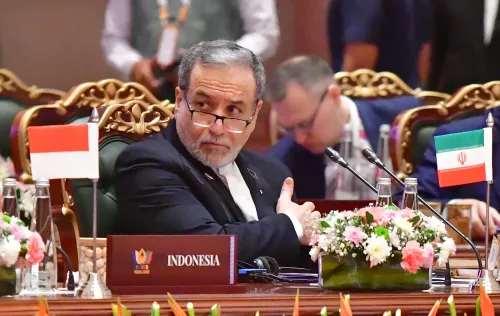
Jaishankar first met Iran's Foreign Minister Seyed Abbas Araghchi, with the two sides discussing 'the latest developments with regard to the Gulf conflict,' as the minister said in a post on X. Later in the day, he received an update from Oman's Foreign Minister Badr bin Hamad bin Hamoud Al Busaidi on the tense situation in the region. The meetings reflect India's deepening diplomatic engagement with both countries — which sit on opposite coasts of the strategically critical strait.
Araghchi's Seven-Day Proposal and Trump's Reported Rejection
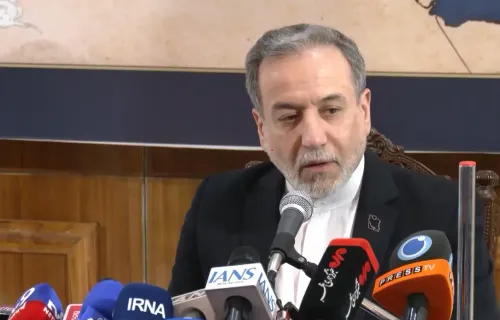
The meetings came amid a significant development on the same day: Araghchi proposed a seven-day plan to reopen the Strait of Hormuz and restart negotiations on a longer ceasefire. However, US President Donald Trump reportedly rejected the proposal. The strait has been nearly at a standstill since the US-Israeli bombing of Iran in February, triggering a crisis with sweeping consequences for global energy and shipping markets.
The Oman-Iran Transit Plan and US Pressure
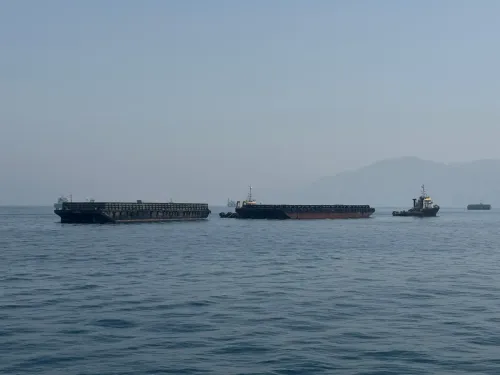
Oman and Iran had been in discussions over a transit arrangement that would collect a fee from passing vessels and establish a two-lane system — with ships entering the Gulf via the Iranian side and exiting on the Omani side. Trump reportedly threatened Oman over these talks, and Iran subsequently walked away, rejecting the Omani proposal. Some vessels have since managed to navigate the strait by hugging the Omani coast, while Iranian ports remain under a US siege. Tehran has, according to reports, attacked some ships attempting the Omani route.
India's Stand on Shipping Safety
Separately, Jaishankar addressed diplomats from 25 countries at the launch of the Group of Friends on Safety and Security of Shipping and Seafarers, where he denounced the closure of shipping lanes and attacks on vessels and crew. India has significant economic and energy interests tied to Gulf shipping routes, with a large share of its crude oil imports transiting through the Strait of Hormuz. Notably, this is the latest in a series of high-level Indian diplomatic interventions since the crisis began in February.
What Comes Next
With Araghchi's ceasefire proposal rejected and the Omani transit plan stalled, the pathway to reopening the strait remains uncertain. India's active diplomatic outreach signals growing concern in New Delhi over both energy security and the safety of the large Indian seafaring community employed on vessels navigating Gulf waters. All eyes will be on whether a revised proposal emerges from the margins of the UN General Assembly session.
Point of View
And any prolonged closure is effectively a tax on the Indian economy. Yet the diplomatic arithmetic is bleak: Trump's reported rejection of even a seven-day confidence-building measure suggests Washington is not yet ready for off-ramps, while Tehran's walk-out on the Omani plan signals that US pressure is hardening Iranian positions rather than softening them. What is missing from the public framing of India's role is leverage — New Delhi can convene and denounce, but its ability to compel any party is limited. The real test of India's 'strategic autonomy' is whether it can move from meeting-holder to deal-shaper in a crisis where energy security, seafarer safety and geopolitical alignment all converge.
NationPress
26 Sept 2026
Frequently Asked Questions
Why did EAM Jaishankar meet the foreign ministers of Iran and Oman at the UN?
Jaishankar met both ministers on 26 September 2026 on the sidelines of the UN session to receive firsthand updates on the Gulf crisis and the near-total disruption of shipping through the Strait of Hormuz. India has significant energy and seafaring interests tied to the strait and has been actively engaging both countries diplomatically since the crisis began in February.
What is Iran's seven-day Hormuz proposal?
Iranian Foreign Minister Seyed Abbas Araghchi proposed a seven-day plan to reopen the Strait of Hormuz and restart negotiations on a longer ceasefire. The proposal was reportedly rejected by US President Donald Trump.
What caused the Strait of Hormuz crisis?
The crisis was triggered by the US-Israeli bombing of Iran in February, which led to a near-standstill in shipping through the Strait of Hormuz — one of the world's most critical oil and trade chokepoints. The disruption has had far-reaching consequences for global energy markets and supply chains.
What was the Oman-Iran transit plan and why did it collapse?
Oman and Iran had discussed a two-lane transit system with a fee for ships passing through the strait — vessels would enter on the Iranian side and exit on the Omani side. The plan collapsed after the US reportedly threatened Oman over the discussions, prompting Iran to reject the Omani proposal.
What is the Group of Friends on Safety and Security of Shipping and Seafarers?
It is a newly launched multilateral grouping co-initiated by India involving diplomats from 25 countries, dedicated to opposing the closure of shipping lanes and attacks on vessels and crew. Jaishankar addressed its launch on 26 September 2026 at the UN, using the platform to denounce attacks on ships and sailors in the Gulf.