Strengthening India-Israel Relations Through Social Engagement: Insights from a Recent Report
Synopsis
A recent report emphasizes the importance of expanding social ties between India and Israel to enhance their strategic partnership. It highlights the need for grassroots connections among various sectors to foster trust and understanding.
Key Takeaways
Expanding social frameworks is vital for strengthening India-Israel ties.
Investment in grassroots interactions can lead to enduring partnerships.
Public perceptions significantly impact diplomatic relations .
Everyday encounters can humanize international relationships.
The future of bilateral relations lies in cultural exchanges and mutual understanding.
Tel Aviv/New Delhi, April 11 (NationPress) India and Israel are encouraged to expand their social framework to forge a more robust, normalized, and forward-looking alliance.
This necessitates significant investment in mid-level and daily interactions among students, professionals, workers, artists, researchers, tourists, and local communities—the essential social foundation for a long-lasting strategic partnership, as highlighted by a report.
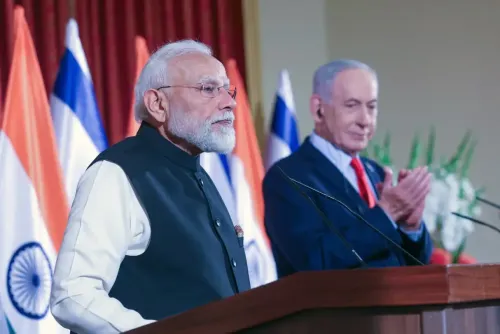
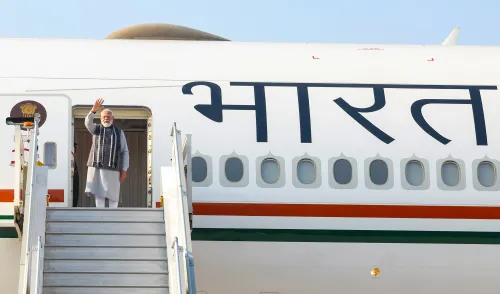
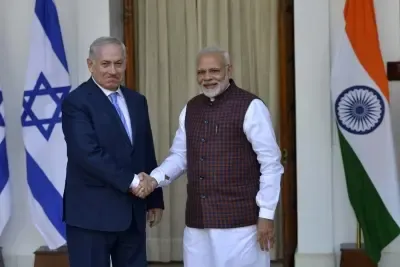
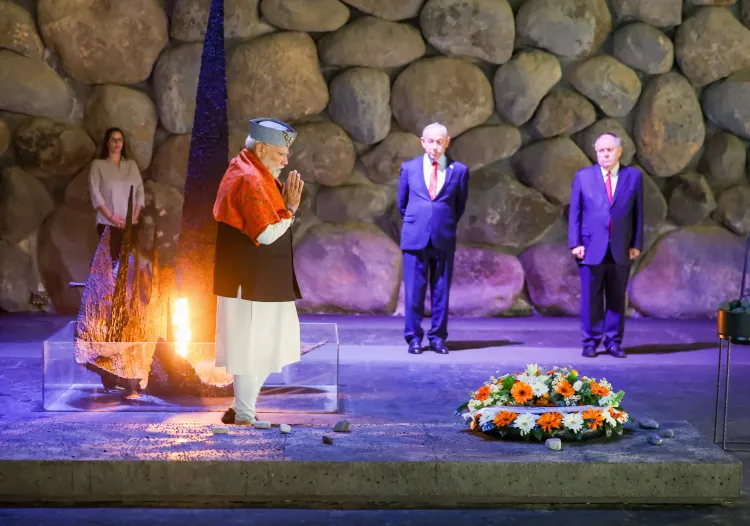
"Historically, India-Israel relations have been characterized by strategic discourse: defense, agriculture, intelligence, technology, and trade. While this is accurate, the partnership is genuine, profound, and increasingly prominent. Prime Minister Narendra Modi’s visit to Israel in February 2026 only solidified what many have come to realize: The relationship has transitioned from the periphery to the strategic core," noted a report from 'The Jerusalem Post.'
The report emphasized that for the next chapter of India–Israel relations to be enduring, it should go beyond governmental connections.
"This is crucial because strategic partnerships thrive when they are not restricted to elite circles. Official visits, security collaborations, and economic agreements can generate momentum, but they do not inherently cultivate familiarity, trust, or long-term public legitimacy. Such elements are nurtured in classrooms, workplaces, neighborhoods, cultural exchanges, and the everyday human interactions that make one culture more comprehensible to another," it stated.
The report pointed out that many Indians still perceive Israel primarily through the lens of geopolitics and conflict, while numerous Israelis view India in broad civilizational or tourism-related terms rather than through "ongoing human interaction."
"In both instances, the disparity between strategic familiarity and social familiarity is wider than it ought to be. This gap is significant. Public perceptions shape the political landscape in which strategic partnerships function. They affect how societies interpret crises, respond to controversies, and whether bilateral relations are perceived as transactional or meaningful," it stressed.
"This underscores the importance of everyday interactions. A cultural workshop, a student exchange, a shared festival, or a workplace friendship may appear insignificant compared to defense agreements or state visits. Yet these engagements accomplish something official diplomacy often fails to achieve: They humanize the other side," it further elaborated.
The report noted that although India-Israel relations have significantly strengthened over the last decade, their increasing maturity presents a new challenge: sustaining the partnership beyond leaders, crises, and strategic necessities.
The solution, it stated, lies not merely in military collaboration or political symbolism, but also in the consistent development of social connections.
"The future of India-Israel relations will be shaped not just in defense corridors and diplomatic meetings, but also in kitchens, campuses, workplaces, and digital platforms. This is where familiarity flourishes, trust becomes more enduring, and where strategic partnerships gain human depth," it concluded.
Point of View
Fostering social connections between India and Israel is crucial for a sustainable partnership. This approach emphasizes the importance of human interactions, which are vital for public perception and long-term collaboration, beyond mere strategic interests.
NationPress
15 Oct 2026
Frequently Asked Questions
Why is social engagement important for India-Israel relations?
Social engagement fosters familiarity, trust, and public legitimacy, which are essential for a sustainable partnership beyond government-level ties.
What are some ways to enhance social ties between India and Israel?
Engagement can be enhanced through cultural workshops, student exchanges, shared festivals, and workplace friendships.
How do public perceptions affect bilateral relations?
Public perceptions shape the political environment and influence how societies interpret crises and controversies, impacting the nature of bilateral ties.
What has changed in India-Israel relations over the past decade?
India-Israel relations have deepened significantly, moving from strategic marginalization to becoming a central focus of international partnerships.
What role does familiarity play in international relations?
Familiarity helps bridge gaps between societies, making diplomatic relations more meaningful and effective.