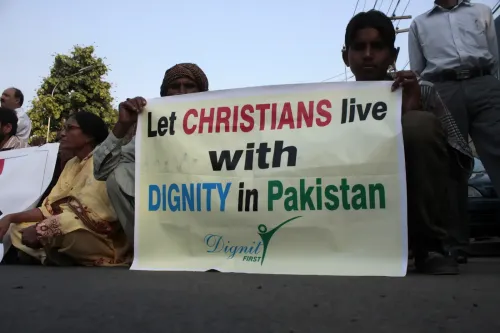
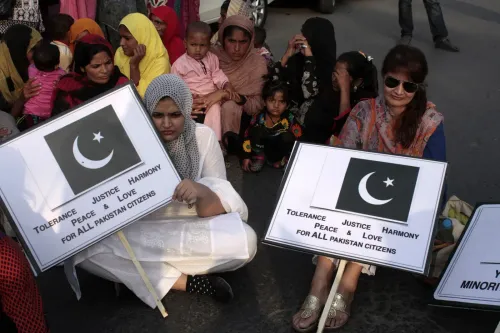
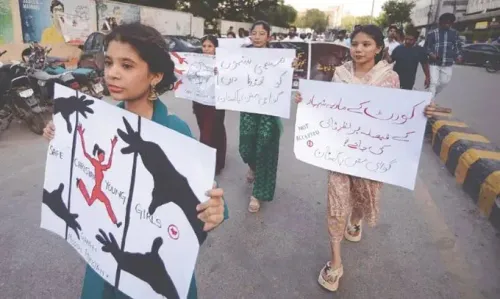
European Parliament urges Pakistan to end forced conversions of minority girls
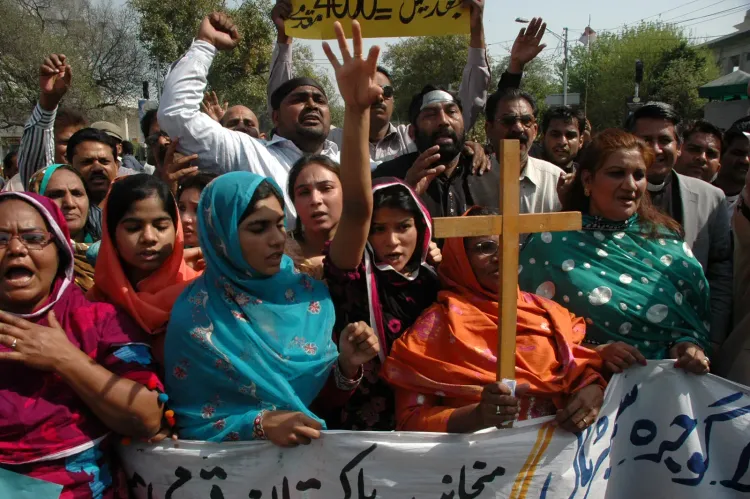
Synopsis
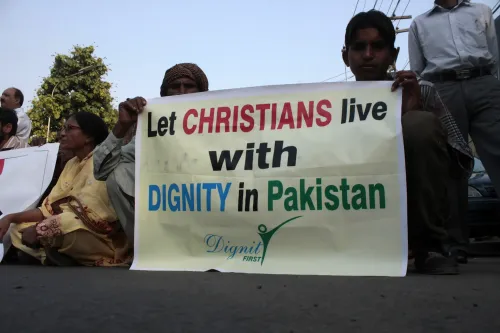
The European Parliament has formally called out Pakistan over the forced conversion and abduction of minority girls, citing UN data showing Christian girls make up nearly 25% of such cases. The resolution names a specific victim — 13-year-old Maria Shahbaz — whose alleged abductor was handed custody by a Pakistani court despite evidence she was underage. Over 1,000 such cases reportedly occur every year.
Key Takeaways
The European Parliament adopted a resolution in Brussels urging Pakistan to end abduction and forced religious conversion of minority girls.
UN data for 2025 cited in the resolution shows Christian girls account for nearly 25 per cent of forced conversion cases through marriage in Pakistan.
Human rights organisations estimate more than 1,000 minors from minority communities face such abuse annually in Pakistan.
13-year-old Maria Shahbaz was allegedly abducted in July 2025 by Shehryar Ahmad ; Pakistan's Federal Constitutional Court ruled in the accused's favour despite evidence she was underage.
MEPs called on Islamabad to create a national complaint mechanism for families of abducted girls and to conduct transparent investigations into all reported cases.
The European Parliament has adopted a formal resolution urging Pakistani authorities to halt the abduction and forced conversion to Islam of girls from religious minority communities, citing alarming data on the scale and impunity of such practices. The resolution, passed in Brussels, draws on United Nations data for 2025 and spotlights systemic failures in Pakistan's legal and administrative machinery.
Key Findings of the Resolution
According to UN data for 2025 cited in the resolution, Christian girls account for nearly 25 per cent of all forced religious conversion cases carried out through marriage in Pakistan. Human rights organisations estimate that more than 1,000 minors from minority communities are subjected to such abuse every year — a figure the Parliament described as deeply troubling.
Members of the European Parliament (MEPs) called on Islamabad to establish a comprehensive national framework to eliminate child marriage and to 'create a national mechanism for handling complaints from families of abducted or forcibly converted girls from minorities,' according to a report published in The Christian Post.
The Case of Maria Shahbaz
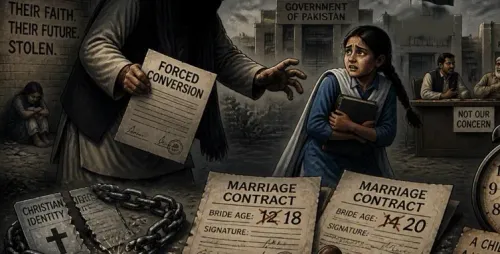
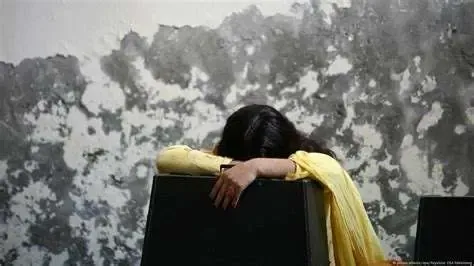
To illustrate its concerns, the resolution highlighted the case of Maria Shahbaz, a 13-year-old Christian girl who was allegedly abducted in July 2025 by 30-year-old Shehryar Ahmad. Ahmad is accused of forcing her to convert to Islam and marry him.
Lawmakers noted that despite allegations that official documents had been falsified and evidence indicating the girl was underage, Pakistan's Federal Constitutional Court ruled in favour of the accused and returned the child to him. The resolution strongly criticised the court's decision and called for Maria to be provided with legal assistance and psychological support.
Allegations of Institutional Complicity
The European Parliament expressed serious concern over allegations that local authorities frequently become complicit in such cases, while courts routinely overlook child protection laws — effectively enabling or legitimising forced religious conversions. This is not an isolated critique; international human rights bodies have flagged similar patterns in Pakistan over multiple years.
Notably, the resolution connects individual cases to a structural breakdown: the absence of a centralised complaint mechanism means families of abducted girls have no clear institutional recourse, leaving them vulnerable to prolonged legal battles in a system critics argue is stacked against minority communities.
What the Parliament Demanded
MEPs urged Pakistani authorities to conduct transparent and impartial investigations into all reported cases of abduction and forced conversion. They also stressed the need to ensure the safe return of affected girls to their families and to strengthen legal safeguards protecting children and religious minorities.
The resolution represents a significant diplomatic signal from the European Union, which maintains trade and development ties with Pakistan. Whether Islamabad responds with legislative action or treats the resolution as non-binding pressure remains to be seen.
Point of View
With falsified documents going unchallenged and courts returning minors to alleged abductors. With over 1,000 cases estimated annually and no national complaint mechanism in place, the structural problem is one of political will, not legislative ignorance. The EU's leverage here is real — Pakistan's GSP+ trade status is conditioned partly on human rights compliance — but Brussels has historically been reluctant to pull that lever. Whether this resolution translates into trade-linked pressure or remains a symbolic rebuke will define its actual impact.
NationPress
11 Oct 2026
Frequently Asked Questions
What did the European Parliament resolution on Pakistan say?
The European Parliament adopted a resolution urging Pakistani authorities to end the abduction and forced conversion to Islam of girls from religious minority communities. It cited UN 2025 data showing Christian girls account for nearly 25 per cent of forced conversion cases through marriage and called on Islamabad to establish a national complaint mechanism for affected families.
Who is Maria Shahbaz and why does the resolution mention her?
Maria Shahbaz is a 13-year-old Christian girl who was allegedly abducted in July 2025 by 30-year-old Shehryar Ahmad, who is accused of forcing her to convert to Islam and marry him. The European Parliament highlighted her case because Pakistan's Federal Constitutional Court ruled in favour of the accused and returned the child to him, despite evidence she was underage and allegations that official documents were falsified.
How many minors are affected by forced conversions in Pakistan each year?
Human rights organisations estimate that more than 1,000 minors from minority communities in Pakistan are subjected to forced conversion and abduction every year, according to figures cited in the European Parliament resolution.
What specific actions did the European Parliament demand from Pakistan?
MEPs urged Pakistan to establish a comprehensive national framework to eliminate child marriage, create a national mechanism for handling complaints from families of abducted minority girls, conduct transparent and impartial investigations into all reported cases, and ensure the safe return of affected girls to their families.
Does the European Parliament resolution have legal force over Pakistan?
No, the resolution is not legally binding on Pakistan. However, it represents a formal diplomatic signal from the European Union, which maintains trade and development ties with Islamabad, including Pakistan's GSP+ trade status that is conditioned on human rights compliance.