Pakistan blasphemy laws misused against minorities, rights group warns
Synopsis
Pakistan's blasphemy laws are being systematically weaponised against minorities, according to the Voice of Pakistan Minority — with fabricated charges, mob attacks on Christian communities in Gojra and Joseph Colony, and a two-tier justice system that protects the powerful while crushing the vulnerable. The cases of Rimsha Masih and Nadeem Masih illustrate how innocent people suffer irreversible damage long before courts deliver verdicts.
Key Takeaways
The Voice of Pakistan Minority (VOPM) on 22 July accused Pakistan of failing to prevent misuse of blasphemy laws against religious minorities.
Rimsha Masih , a Christian girl with Down syndrome , was accused of desecrating the Quran on fabricated evidence and faced severe family pressure before her release.
Nadeem Masih , a blind Christian man, was similarly accused and later released, highlighting the targeting of vulnerable individuals.
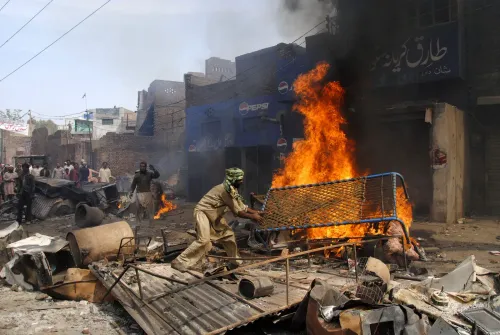
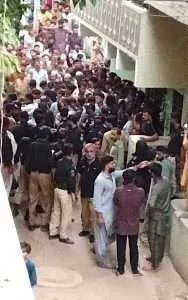
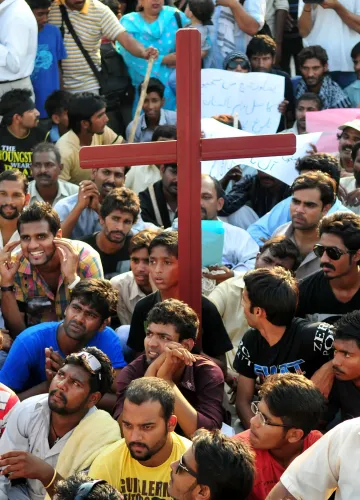
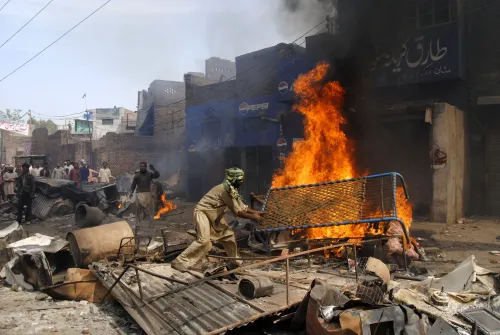
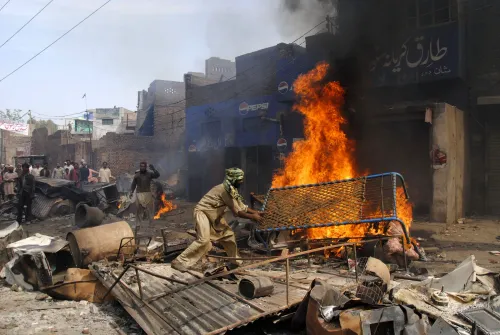
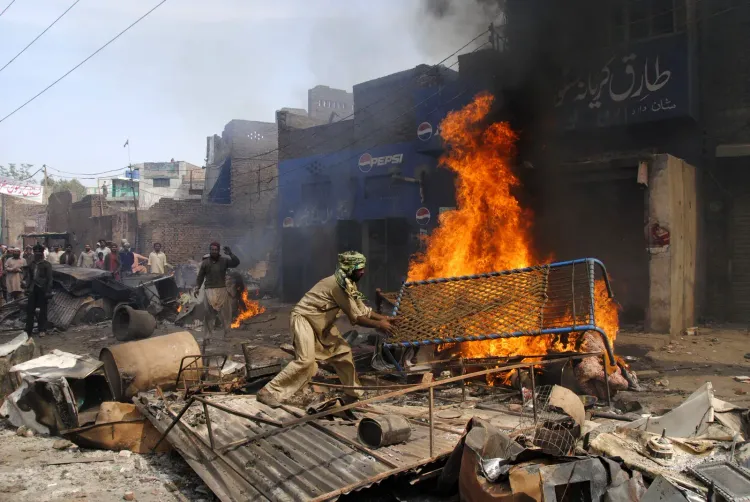
Mob attacks on Christian communities in Gojra , Joseph Colony , and other areas reflect what the group calls a failure of law enforcement and governance.
The VOPM flagged unequal application of the law, with poor and minority citizens facing harsher consequences than influential accused persons.
The group called for systemic reform to prevent religious laws from being used as 'weapons for revenge, political pressure, or personal gain.'
A leading minority rights organisation, the Voice of Pakistan Minority (VOPM), on Wednesday, 22 July accused Pakistan of systematically failing to prevent the misuse of its blasphemy laws, citing fabricated allegations, recurring mob violence, and institutional inability to shield religious minorities from the consequences of such accusations.
Pattern of False Allegations
The VOPM described blasphemy laws as among Pakistan's most controversial legal instruments, warning that the country's justice system has repeatedly failed to protect innocent people from false charges. The group pointed to the case of Rimsha Masih, a Pakistani Christian girl with Down syndrome, who was accused of desecrating the Quran — allegations that subsequent evidence indicated were fabricated. Though she was eventually released, the VOPM noted that her family endured severe pressure before courts examined the facts.
A second case cited was that of Nadeem Masih, a blind Christian man who was accused and later released, raising further questions about the targeting of vulnerable individuals. 'Many cases have shown that blasphemy accusations are sometimes linked to personal disputes, property conflicts, or attempts to silence opponents,' the VOPM stated. 'When courts eventually clear such individuals, it often comes after they have already suffered social, financial, and emotional damage.'
Mob Violence and State Failure
The rights body catalogued a history of violent attacks on Christian communities across Pakistan, including incidents in Gojra, Joseph Colony, and other locations. These episodes, it argued, exposed deep failures in the state's capacity to protect minorities. 'When crowds can threaten lives and destroy property based on allegations that have not been proven, it reflects a failure of law enforcement and governance,' the VOPM noted.
The group further criticised the judiciary and law enforcement agencies for not acting decisively against those who weaponise blasphemy allegations. 'The judiciary and law enforcement agencies have repeatedly been criticised for failing to act strongly against those who misuse blasphemy allegations. When false accusers or those who manipulate religious emotions are not held accountable, it sends a dangerous message that such actions can continue without consequences,' it said.
Unequal Application of the Law
The VOPM expressed grave concern over what it described as a two-tier justice system. Ordinary citizens — particularly poor individuals and members of minority communities — reportedly face severe consequences under the blasphemy statutes, while influential figures accused of similar offences are said to receive greater protection. This disparity, the group argued, damages the credibility of Pakistan's legal institutions and entrenches a perception that justice is contingent on power and connections.
Call for Systemic Reform
Calling for structural change, the VOPM stated that 'a modern legal system must ensure that religious laws cannot be used as weapons for revenge, political pressure, or personal gain. Protecting faith should never come at the cost of denying justice to innocent people.' The group's report arrives amid sustained international scrutiny of Pakistan's treatment of religious minorities, and adds to a growing body of documentation from civil society organisations tracking blasphemy-related abuses. How Islamabad responds to this latest indictment will be closely watched by human rights monitors globally.
Point of View
Documented pattern. Pakistan has faced international pressure over blasphemy law misuse for decades, yet institutional reform has remained elusive, partly because any move to amend these statutes carries enormous political risk domestically. What the Rimsha Masih and Nadeem Masih cases illustrate is that the damage — social, psychological, financial — is inflicted before any court ruling, making the law an effective instrument of persecution regardless of eventual acquittal. The two-tier justice dynamic, where the poor bear the brunt while the powerful navigate the system, is not unique to blasphemy cases in Pakistan, but here it carries life-or-death stakes. Without accountability for false accusers, the incentive structure actively rewards misuse.
NationPress
22 Jul 2026
Frequently Asked Questions
What is the Voice of Pakistan Minority (VOPM) and what did it report?
The Voice of Pakistan Minority (VOPM) is a minority rights organisation that on 22 July accused Pakistan of failing to curb the misuse of blasphemy laws. Its report cited fabricated allegations, mob violence against accused individuals, and systemic failure to protect religious minorities.
Who are Rimsha Masih and Nadeem Masih?
Rimsha Masih is a Pakistani Christian girl with Down syndrome who was accused of desecrating the Quran on what subsequent evidence indicated were fabricated charges; she was eventually released. Nadeem Masih is a blind Christian man who was similarly accused and later released, both cases cited by the VOPM as examples of how vulnerable people are targeted.
What incidents of mob violence did the VOPM highlight?
The VOPM cited attacks on Christian communities in Gojra, Joseph Colony, and other areas across Pakistan. These incidents, the group argued, demonstrate the state's failure to protect minorities when crowds act on unproven blasphemy allegations.
Why does the VOPM say Pakistan's blasphemy law is applied unequally?
The VOPM argues that poor individuals and minority community members face severe consequences under the blasphemy statutes, while influential figures accused of similar offences reportedly receive greater protection. This disparity, it says, erodes trust in Pakistan's legal institutions.
What reforms is the VOPM calling for?
The VOPM is calling for a legal framework that prevents religious laws from being used for revenge, political pressure, or personal gain. It specifically demands accountability for false accusers and stronger judicial and law enforcement action against those who weaponise blasphemy allegations.