Pakistan: Death of 13-year-old Fatima sparks child labour safety crisis
Synopsis
A 13-year-old domestic worker named Fatima has died at the residence of a Pakistani government officer in Islamabad, with preliminary findings reportedly showing marks of physical abuse. The case has exposed a systemic failure: Pakistan has 8.6 million children in child labour, more than 6.6 million in hazardous conditions, yet domestic employment remains almost entirely unregulated. Fatima's death may be the inflection point that forces accountability.
Key Takeaways
Fatima , a 13-year-old girl , died while employed at the home of a senior government officer in Islamabad .
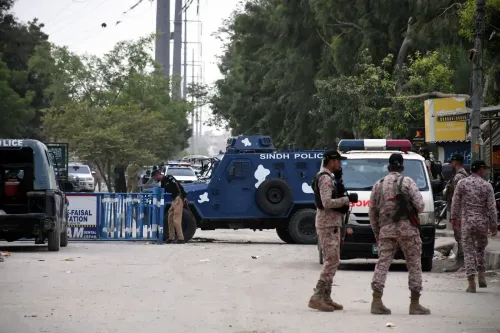
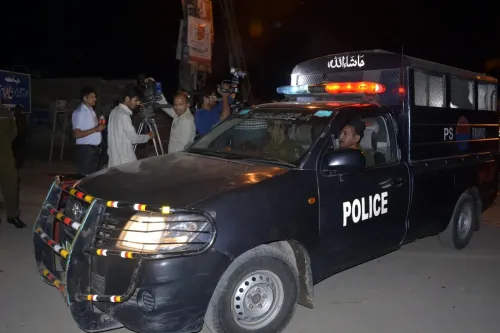
Preliminary medical findings reportedly indicate marks of physical abuse ; allegations of police suppression are under scrutiny.
A June 2026 NCHR-UNICEF report found 8.6 million children engaged in child labour in Pakistan, with over 6.6 million in hazardous conditions.
Punjab has the highest child labour count at over six million ; Sindh follows with 1.6 million .
Between 32% and 58% of working children reported work-related injuries or illness; up to one-third of older working children showed symptoms of depression.
Experts call for stronger enforcement of existing laws, effective complaint mechanisms, and improved child protection services.
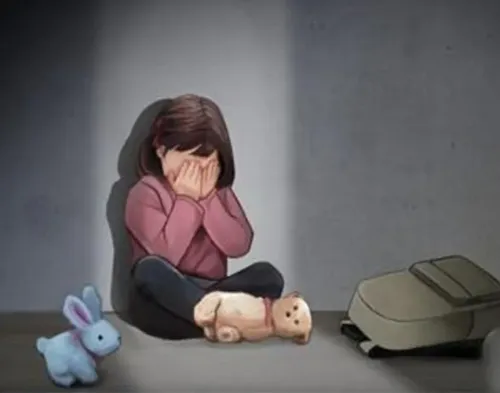
The death of Fatima, a 13-year-old girl employed at the residence of a senior government officer in Islamabad, Pakistan, has reignited urgent questions about the safety and legal protection of children working in private homes across the country. Preliminary medical findings have reportedly revealed marks of physical abuse, deepening concerns over accountability and systemic failure.
Allegations of Suppression and Demand for Accountability
Allegations have emerged that police initially attempted to suppress the matter, raising serious concerns about institutional integrity. According to reports, an independent investigation must be conducted to determine the full circumstances of Fatima's death, and those found responsible must be held accountable regardless of the official position they hold. The case, first detailed in Pakistani daily The Express Tribune, has drawn widespread attention to the near-total absence of oversight in domestic employment.
A Sector With Almost No Protections
Domestic employment remains one of the least regulated forms of labour in Pakistan, with workers rarely having access to formal complaint mechanisms. Children are considered especially vulnerable, as they are often unable to resist exploitation or recognise violations of their own rights. Reports note that merely introducing legislation has not resolved the structural problem — provincial governments must ensure that existing labour protections are actively enforced and that investigations into violations proceed without interference.
The Scale of Child Labour in Pakistan
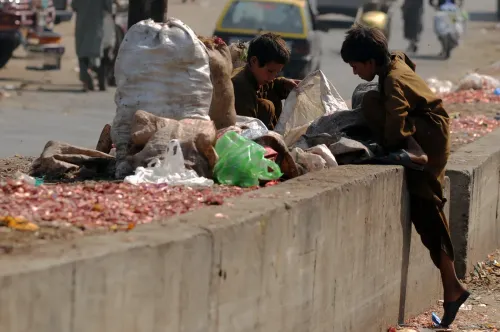
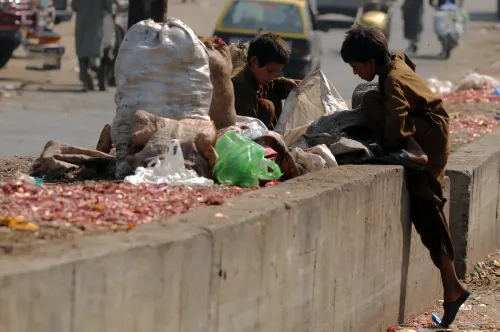
The crisis has a documented backdrop. In June 2026, a national report launched by the National Commission for Human Rights (NCHR) in collaboration with the United Nations Children's Fund (UNICEF) found that 8.6 million children are engaged in child labour across Pakistan, with more than 6.6 million involved in hazardous work that threatens their health, safety, and future.
The report, titled 'Pakistan: Child Labour Surveys, Evidence for Action', was described as the first nationally representative child labour data set compiled in nearly 30 years. At its launch, NCHR Chairperson Rabiya Javeri Agha stated that hazardous child labour affected children in every region of the country.
Province-wise Breakdown and Key Drivers
According to the report, Punjab recorded the highest number of children in child labour at more than six million, followed by Sindh with 1.6 million, Khyber Pakhtunkhwa with 745,155, Balochistan with 201,352, and Islamabad Capital Territory with 15,180. The report identified poverty as the primary driver, with the highest prevalence found in the poorest households and in families where parents had lower levels of education. Boys were found significantly more likely than girls to be involved in labour, including hazardous forms.
Impact on Children's Health and Education
The report documented severe consequences for working children. Children in labour were more likely to remain out of school, work longer hours, and suffer injuries, illness, and poor mental health. Between 32% and 58% of working children across provinces reported work-related injuries or illness, according to the data. Notably, up to one-third of older children engaged in labour showed symptoms of depression, as reported by Pakistani newspaper Dawn.
Experts and rights groups argue that effective complaint mechanisms and stronger child protection services are urgently needed. The death of Fatima has become a grim illustration of what happens when enforcement remains weak and domestic workers — particularly children — have nowhere to turn.
Frequently Asked Questions
Who was Fatima and how did she die?
Fatima was a 13-year-old girl employed as a domestic worker at the residence of a senior government officer in Islamabad, Pakistan. Preliminary medical findings have reportedly revealed marks of physical abuse, though a full investigation into the circumstances of her death is still being called for.
How many children are engaged in child labour in Pakistan?
According to a June 2026 report by the National Commission for Human Rights (NCHR) and UNICEF, 8.6 million children are engaged in child labour in Pakistan, with more than 6.6 million involved in hazardous work. The report was the first nationally representative child labour data set compiled in nearly 30 years.
Which province in Pakistan has the most child labourers?
Punjab has the highest number, with more than six million children engaged in child labour, according to the NCHR-UNICEF report. Sindh follows with 1.6 million, then Khyber Pakhtunkhwa with 745,155, Balochistan with 201,352, and Islamabad Capital Territory with 15,180.
What are the main causes of child labour in Pakistan?
The NCHR-UNICEF report identified poverty as the primary cause, with the highest prevalence among the poorest households and families where parents have lower levels of education. Boys are significantly more likely than girls to be involved in labour, including hazardous forms.
What protections exist for child domestic workers in Pakistan?
Domestic employment remains one of the least regulated forms of labour in Pakistan, with limited access to formal complaint mechanisms for workers. Experts argue that legislation alone is insufficient and that provincial governments must enforce existing protections, establish effective complaint channels, and strengthen child protection services.