FBI arrests Jaggu Bhagwanpuria aide in Vermont under Operation Hard Ball

Synopsis
The FBI's arrest of Nitish Kaushal in Vermont — just 48 hours after he was added to the Most Wanted list — marks a sharp escalation in Operation Hard Ball. With 24 arrests and 37 indictments spanning three countries, and India's ISI-Khalistan nexus now at the centre of US law enforcement attention, this is no longer a bilateral issue: it is a multilateral security reckoning.
Key Takeaways
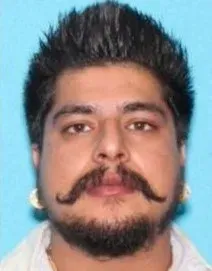
Nitish Kaushal , an alleged associate of gangster Jaggu Bhagwanpuria , was arrested by the FBI in Vermont, USA under Operation Hard Ball .
Kaushal was arrested just two days after being placed on the FBI's Most Wanted list; he faces RICO Conspiracy charges.
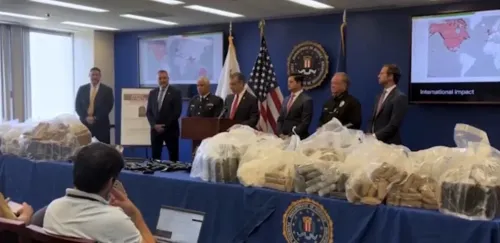
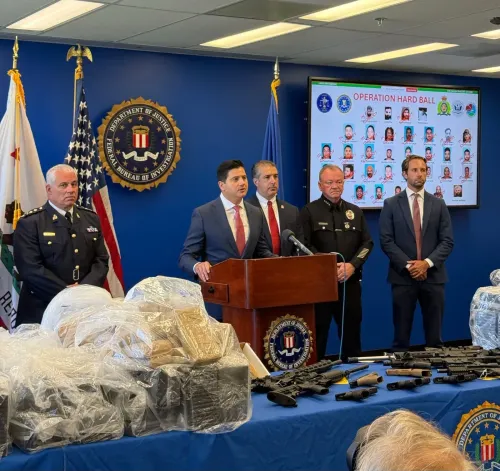
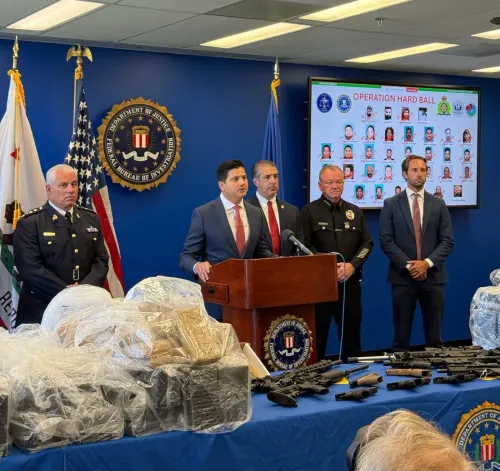
Operation Hard Ball has so far resulted in 24 arrests across the US , Canada , and Spain , and 37 indictments .
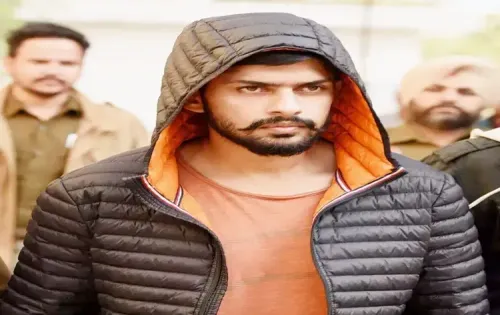
Jailed gangster Lawrence Bishnoi is at the centre of the investigation; the FBI is offering a $50,000 bounty for aide Goldy Brar .
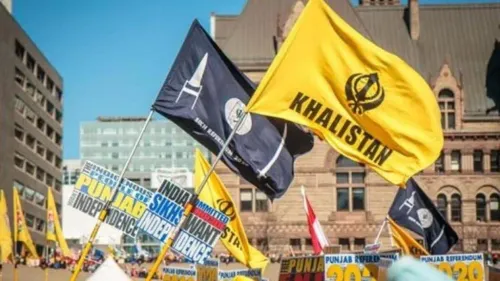
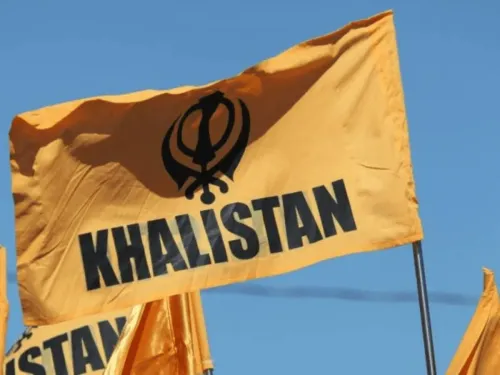
Indian officials allege the syndicates are backed by Pakistan's ISI and are aimed at reviving the Khalistan movement in Punjab.
India–Canada relations have improved since Mark Carney became Prime Minister, with both sides agreeing to deepen security cooperation.
The US Federal Bureau of Investigation (FBI) has arrested Nitish Kaushal, an alleged associate of jailed Indian gangster Jaggu Bhagwanpuria, in Vermont, USA, as part of Operation Hard Ball — a sustained transnational crackdown on organised crime networks linked to gangsters of Indian origin. The arrest came just two days after the FBI placed Kaushal on its Most Wanted list.
Who Is Nitish Kaushal
According to the FBI, Kaushal was an active member of the Bhagwanpuria syndicate and was directly involved in carrying out serious crimes, including kidnapping and assaults, on behalf of the organisation. On 25 June, the US District Court for the Central District of California had issued an arrest warrant against him, charging him with Racketeer Influenced and Corrupt Organisation (RICO) Conspiracy.
In a post on X, the FBI stated: 'Nitish Kaushal is wanted by the FBI for his alleged involvement in a transnational criminal organisation engaged in, among other things, acts involving murder, kidnapping, drug trafficking, extortion, weapons trafficking, money laundering, and human smuggling. This organisation originated in the Punjab state of India and operated in the Central District of California and elsewhere.'
Operation Hard Ball: Scale and Scope
Operation Hard Ball, launched earlier this month, has resulted in 24 arrests across the US, Canada, and Spain, along with 37 indictments. At the centre of the investigation is jailed Indian gangster Lawrence Bishnoi, whom US prosecutors have accused of orchestrating murders, extortion, and international drug trafficking from prison in India using smuggled mobile phones. The FBI is also actively searching for Bishnoi's close aide, Goldy Brar, who carries a bounty of $50,000.
The ISI Link and Khalistan Angle
Indian officials described Kaushal's arrest as a significant development, saying it would help dismantle the gangster-terror nexus. According to an Intelligence Bureau official, these syndicates — allegedly backed by Pakistan's Inter-Services Intelligence (ISI) — have evolved into transnational criminal networks with a stated objective of reviving the Khalistan movement in Punjab through organised crime and terror.
'Backed by Pakistan's ISI, these gangs have evolved into transnational criminal syndicates that pose a threat to several countries. They have expanded their drug trafficking operations and use violence and extortion to exert control over sections of the Indian diaspora,' the official said.
Notably, Operation Hard Ball also yielded fresh disclosures regarding the June 2023 killing of Khalistani figure Hardeep Singh Nijjar in Canada — a case that had triggered a sharp diplomatic rupture between India and Canada under then Prime Minister Justin Trudeau, who alleged Indian government involvement. New Delhi strongly denied the allegation. Relations between the two countries have since improved markedly after Mark Carney assumed office as Canada's Prime Minister.
India's Role and Diplomatic Context
Prime Minister Narendra Modi has met Canadian Prime Minister Mark Carney on multiple occasions on the sidelines of international events, with both leaders agreeing to deepen cooperation across sectors including security. India has consistently shared actionable intelligence with the US and Canada, which officials say has played a key role in enabling these operations.
The Intelligence Bureau official noted that the biggest victims of these syndicates in Canada have been members of the Indian diaspora — those who refused to support the gangs were threatened and targeted, while more recently even Canadian nationals have come under attack. Their activities have reportedly declined following the sustained crackdown by US and Canadian authorities.
With 24 arrests and 37 indictments already secured, Operation Hard Ball signals a deepening of law enforcement coordination between India, the US, and Canada — and is expected to intensify in the weeks ahead.
Point of View
And that the list was a tactical move to formalise an imminent operation. What deserves scrutiny is the ISI-Khalistan framing: Indian officials have consistently advanced this narrative, but US indictments are grounded in RICO charges, not terrorism statutes — a distinction that matters for extradition, prosecution, and the diplomatic weight India can extract from these arrests. Operation Hard Ball is a genuine law enforcement achievement, but the gap between India's political framing and the legal architecture of the US case is worth watching.
NationPress
17 Jul 2026
Frequently Asked Questions
Who is Nitish Kaushal and why was he arrested by the FBI?
Nitish Kaushal is an alleged associate of jailed Indian gangster Jaggu Bhagwanpuria, arrested by the FBI in Vermont as part of Operation Hard Ball. He faces RICO Conspiracy charges for his alleged involvement in a transnational criminal organisation engaged in murder, kidnapping, drug trafficking, extortion, and human smuggling, with roots in Punjab, India.
What is Operation Hard Ball?
Operation Hard Ball is an ongoing FBI-led crackdown on transnational organised crime networks linked to Indian-origin gangsters, launched earlier this month. It has so far resulted in 24 arrests across the US, Canada, and Spain, and 37 indictments, with jailed gangster Lawrence Bishnoi at the centre of the investigation.
What is Lawrence Bishnoi's role in the FBI investigation?
US prosecutors allege that Lawrence Bishnoi, currently jailed in India, orchestrated murders, extortion, and international drug trafficking from prison using smuggled mobile phones. The FBI is also searching for his close aide Goldy Brar, who carries a bounty of $50,000.
How does the Hardeep Singh Nijjar killing connect to Operation Hard Ball?
Operation Hard Ball yielded fresh disclosures related to the June 2023 killing of Khalistani figure Hardeep Singh Nijjar in Canada — a case that had severely strained India-Canada relations under then Prime Minister Justin Trudeau. Relations have since improved after Mark Carney took over as Canada's Prime Minister.
What is India's role in Operation Hard Ball?
Indian agencies, including the Intelligence Bureau, have reportedly shared actionable intelligence with US and Canadian authorities, which officials say has been critical to enabling these operations. India has also repeatedly warned allied nations about the gangster-terror nexus it alleges is backed by Pakistan's ISI.