CM Rekha Gupta Inaugurates 45 Ayushman Centres in Delhi
Synopsis
Delhi Chief Minister Rekha Gupta inaugurated 45 new Ayushman Jan Arogya Mandirs at Shakurpur on 17 July 2026, taking the city's operational count past 415. The centres offer free OPD, maternal care, vaccination and 80 types of diagnostics, with a target of over 1,100 centres statewide.
Key Takeaways
45 new Ayushman Jan Arogya Mandirs were inaugurated by Delhi CM Rekha Gupta at Shakurpur on 17 July 2026 .
Delhi now has more than 415 such centres operational across the city.
The state government has set a target of operationalising more than 1,100 Ayushman Jan Arogya Mandirs in Delhi.
Each centre provides OPD services, maternal and child health care, vaccination, essential medicines , and 80 types of free diagnostic tests .
The centres are part of the central Ayushman Bharat programme, launched in 2018 to strengthen primary healthcare infrastructure.
BJP MLA Tilak Ram Gupta , councillor Kishan Lal , and district president Ajay Khatana attended the inauguration.
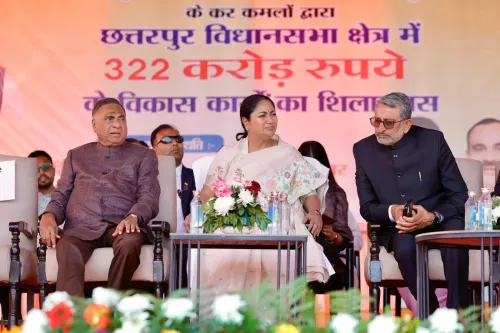
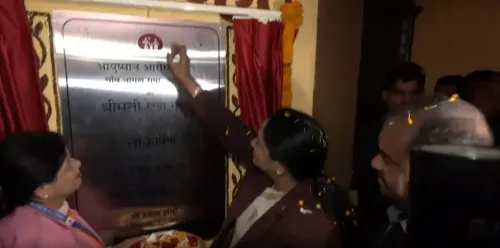
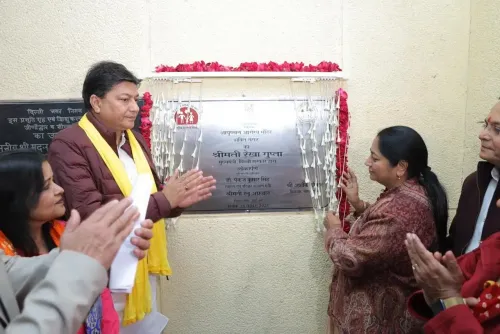
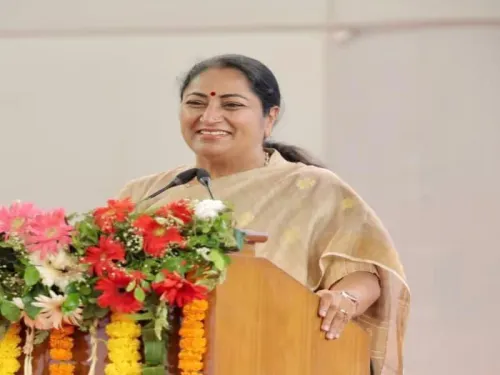
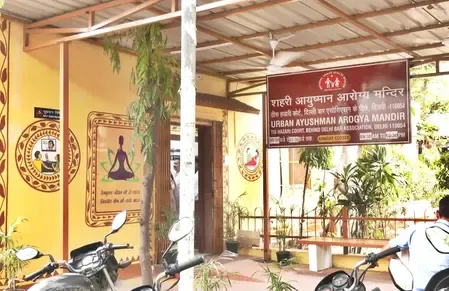
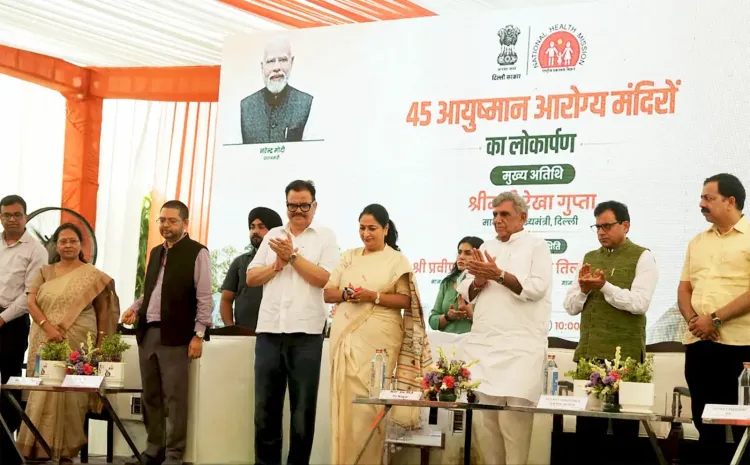
Delhi Chief Minister Rekha Gupta on Friday, 17 July 2026, inaugurated 45 new Ayushman Jan Arogya Mandirs at Shakurpur in North Delhi, expanding the capital's primary healthcare network under the central Ayushman Bharat programme. The event was attended by local elected representatives and marks a significant step in the state government's push to bring clinic-level services within walking distance of every neighbourhood.
Context
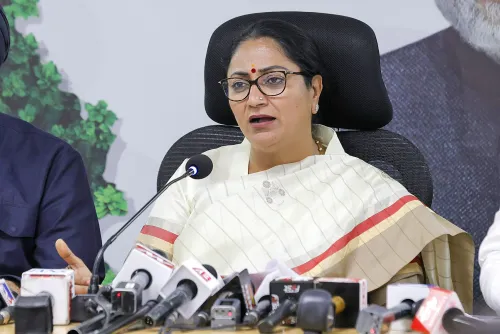
Posting on X, Chief Minister Gupta said: 'Aaj Shakurpur se 45 naye Ayushman Jan Arogya Mandiro ka udghatan kiya' ('Today I inaugurated 45 new Ayushman Jan Arogya Mandirs from Shakurpur'). She added that the government's resolve is to ensure that every resident of Delhi gets better health services near their home and colony. With today's additions, she stated that more than 415 such centres are now operational across Delhi, and that a target of more than 1,100 centres will be achieved soon.
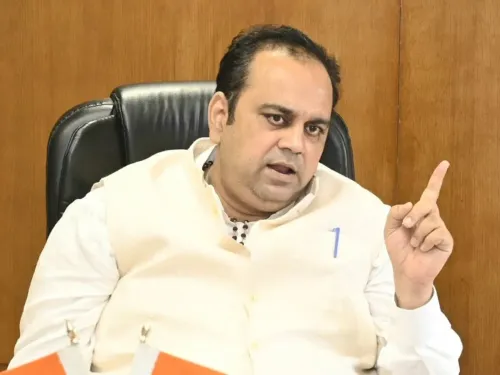
Present at the inauguration were BJP MLA Tilak Ram Gupta, municipal councillor Kishan Lal, and district president Ajay Khatana, along with other dignitaries from the area.
Policy Backdrop
The Ayushman Jan Arogya Mandir is the primary-care pillar of the Ayushman Bharat Pradhan Mantri Jan Arogya Yojana, launched in 2018 to strengthen grassroots health infrastructure across India. Originally called Health and Wellness Centres, the facilities were later rebranded as Ayushman Arogya Mandirs to reflect their expanded mandate under the national scheme.
Each centre is designed to offer OPD services, maternal and child health care, vaccination, essential medicines, and 80 types of free diagnostic tests — all at no cost to the beneficiary. The model is intended to reduce dependence on tertiary hospitals for routine and preventive care.
Stakeholders and Impact
The primary beneficiaries are Delhi's residents, particularly those in densely populated urban localities who have historically relied on overcrowded government hospitals for even basic consultations. Colony-level centres are expected to ease that burden by providing first-contact care within residential areas.
The nationwide rollout of such facilities has expanded primary-care access in both rural and urban settings since 2018, with states governed by the BJP actively aligning state infrastructure targets with the central scheme's goals. Delhi's adoption of the model under Chief Minister Gupta's government fits within this broader pattern of federal-state coordination on health delivery.
What's Next
The government has set a target of operationalising more than 1,100 Ayushman Jan Arogya Mandirs in Delhi. Progress toward that milestone — including state budget allocations and integration guidelines for staffing and drug supply — will be closely watched by health policy observers. The pace at which the remaining centres are commissioned will be a key indicator of the administration's delivery capacity on its flagship health promise.
Point of View
Likely to establish a visible delivery record ahead of any future electoral cycle. Choosing Shakurpur — a densely populated North Delhi locality — as the launch point suggests a deliberate focus on urban constituencies where access to affordable healthcare has long been a voter concern. The 1,100-centre target, if met, would represent a substantial expansion of colony-level health infrastructure in the capital, shifting the political narrative on Delhi's public health from hospital-centric to neighbourhood-first. Whether the centres can sustain service quality — in staffing, drug supply, and diagnostic capacity — will ultimately determine whether the scheme translates into a durable governance achievement or remains a headline number.
NationPress
17 Jul 2026
Frequently Asked Questions
What is an Ayushman Jan Arogya Mandir?
An Ayushman Jan Arogya Mandir is a government primary healthcare centre under the Ayushman Bharat programme that offers free OPD consultations, maternal and child health services, vaccination, essential medicines, and up to 80 types of free diagnostic tests at the colony or neighbourhood level.
How many Ayushman Jan Arogya Mandirs are there in Delhi?
As of 17 July 2026, more than 415 Ayushman Jan Arogya Mandirs are operational in Delhi, following the inauguration of 45 new centres at Shakurpur by Chief Minister Rekha Gupta.
What is the target for Ayushman Jan Arogya Mandirs in Delhi?
The Delhi government has set a target of operationalising more than 1,100 Ayushman Jan Arogya Mandirs across the city, according to Chief Minister Rekha Gupta's statement on 17 July 2026.
Where did CM Rekha Gupta inaugurate the new health centres?
Chief Minister Rekha Gupta inaugurated the 45 new Ayushman Jan Arogya Mandirs at Shakurpur in North Delhi on 17 July 2026.
What services are available free of cost at Ayushman Jan Arogya Mandirs?
The centres provide free OPD services, maternal and child healthcare, vaccination, essential medicines, and 80 types of diagnostic tests at no charge to residents.