Cooling Operations Suspended at Fukushima Daini Nuclear Facility Due to Pump Malfunction
Synopsis
Fukushima Daini Nuclear Power Plant has halted cooling of its spent fuel pool after a pump failure triggered an alarm. TEPCO confirms stable radiation levels and is working to resolve the issue. With the water temperature nearing critical limits, the situation requires urgent attention.
Key Takeaways
Cooling operations suspended due to pump malfunction.
Radiation levels remain stable.
Pool water temperature is nearing critical limits.
TEPCO investigating and repairing the pump.
Ongoing challenges since the 2011 disaster.
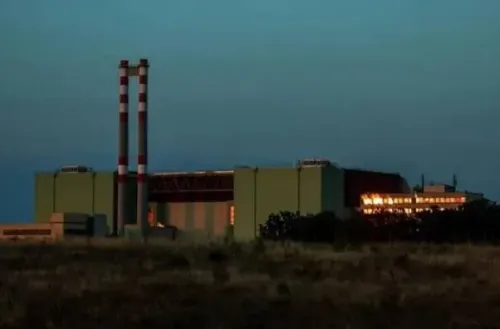
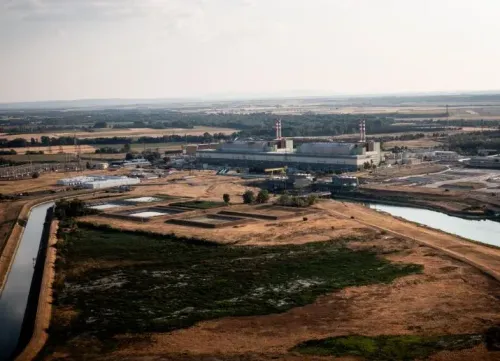
Tokyo, April 6 (NationPress) The management of Japan's Fukushima Daini Nuclear Power Plant, currently in the decommissioning phase, announced a suspension of cooling operations for a used fuel pool due to a pump malfunction that activated an alarm.
Tokyo Electric Power Company Holdings (TEPCO) reported that the alarm for the spent fuel pool associated with the plant's No. 1 reactor was triggered at approximately 2:45 p.m. local time on Sunday. Upon detecting smoke at the facility, workers deactivated the pump, consequently halting the cooling system for the pool, according to Xinhua news agency.
TEPCO has confirmed that radiation levels in the vicinity of the nuclear plant remain stable, with no reported injuries. The company is actively investigating the malfunction's cause and is working diligently to repair the pump to restore cooling as soon as possible.
As per public broadcaster NHK, the water temperature in the pool was recorded at 26.5 degrees Celsius when the cooling system was stopped, leaving approximately eight days before it could potentially exceed the 65-degree Celsius safety threshold.
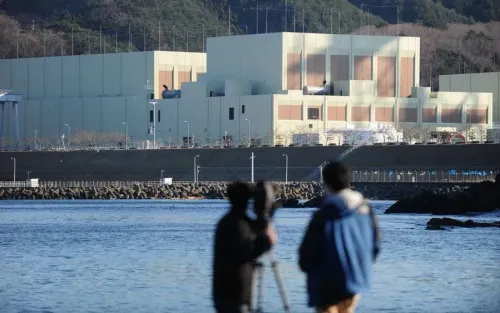
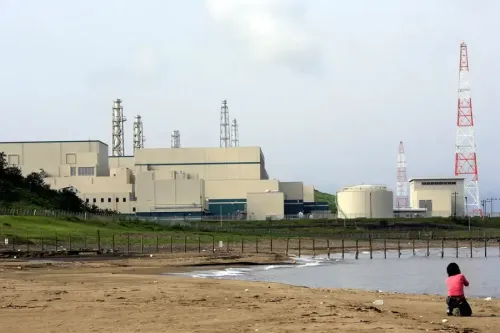
The Fukushima Daini plant, which has four reactors, is situated about 12 kilometers south of the Fukushima Daiichi plant. Both facilities were severely impacted by a powerful earthquake and subsequent tsunami in March 2011, leading TEPCO to initiate decommissioning for both sites.
On April 2, Japan commenced its first discharge of nuclear-contaminated wastewater from the damaged Fukushima Daiichi Nuclear Power Plant into the ocean, expected to continue through fiscal 2026.
This latest discharge marks the 19th round of ocean releases since operations began in August 2023, as reported by TEPCO.
During this round, TEPCO has announced plans to release approximately 7,800 tonnes of wastewater from April 2 to April 20. The utility aims to discharge a total of 62,400 tonnes of contaminated water over eight rounds throughout fiscal 2026, which started on Wednesday.
The Fukushima plant faced catastrophic core meltdowns following a 9-magnitude earthquake and tsunami on March 11, 2011, leading to a level-7 nuclear incident, the highest rating on the International Nuclear and Radiological Event Scale.
Despite opposition from local fishermen, residents, and the global community, the ocean discharge of the Fukushima nuclear-contaminated water commenced in August 2023, with around 141,000 tonnes released into the sea thus far.
Point of View
It's essential to highlight the seriousness of the situation at the Fukushima Daini Nuclear Power Plant. While TEPCO assures that radiation levels are stable, the malfunction of the cooling system poses a significant risk that warrants close scrutiny. The community, along with the international audience, must remain informed as the situation unfolds.
NationPress
10 Oct 2026
Frequently Asked Questions
What caused the cooling suspension at Fukushima Daini?
A pump malfunction triggered an alarm, leading to the suspension of cooling operations for the spent fuel pool.
Are there any safety concerns regarding radiation levels?
TEPCO has confirmed that radiation levels around the plant remain unchanged and stable.
What is the current temperature of the spent fuel pool water?
The water temperature in the pool was recorded at 26.5 degrees Celsius when cooling operations were halted.
What actions are being taken to resolve the issue?
TEPCO is investigating the cause of the malfunction and is working to repair the pump as quickly as possible.
How does this incident relate to past events at Fukushima?
This incident is part of ongoing challenges at the Fukushima site, which suffered severe damage from an earthquake and tsunami in 2011.