Onagawa nuclear plant No. 2 reactor to be shut after radioactive steam found
Synopsis
Two Japanese nuclear plants have reported steam incidents within eight days — first Mihama on 8 May, now Onagawa on 16 May. Both operators say no radioactive material reached the environment, but the back-to-back shutdowns arrive as Japan is aggressively restarting reactors mothballed since Fukushima, raising fresh questions about the pace and safety of that programme.
Key Takeaways
Tohoku Electric Power Co. will halt the No.
2 reactor at Onagawa nuclear power station , Miyagi Prefecture , after radioactive steam was detected on 16 May .
The company confirmed no radioactive materials leaked into the environment; the shutdown is for inspection.
Tohoku Electric dismissed any link to a 6.4-magnitude earthquake that struck northeastern Japan the same evening.
The reactor had only returned online on Monday , with commercial operations scheduled for 9 June .
A separate steam incident at Mihama nuclear plant's No.
3 reactor in Fukui Prefecture occurred on 8 May ; that steam was confirmed non-radioactive.
2 reactor is of the same boiling water design as the Fukushima Daiichi units involved in Japan's worst nuclear accident in 2011 .
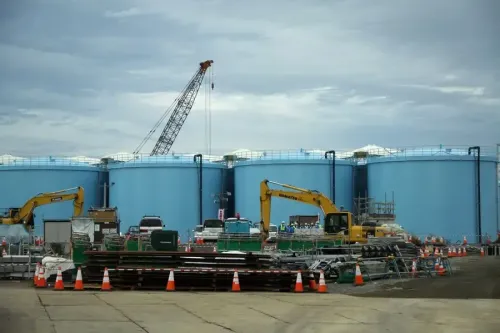
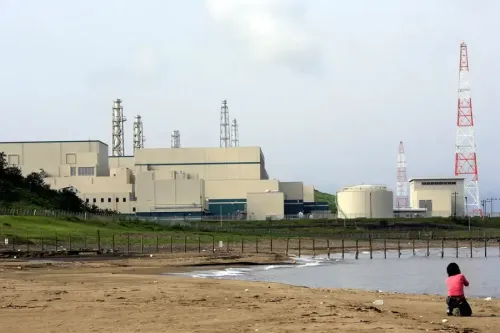
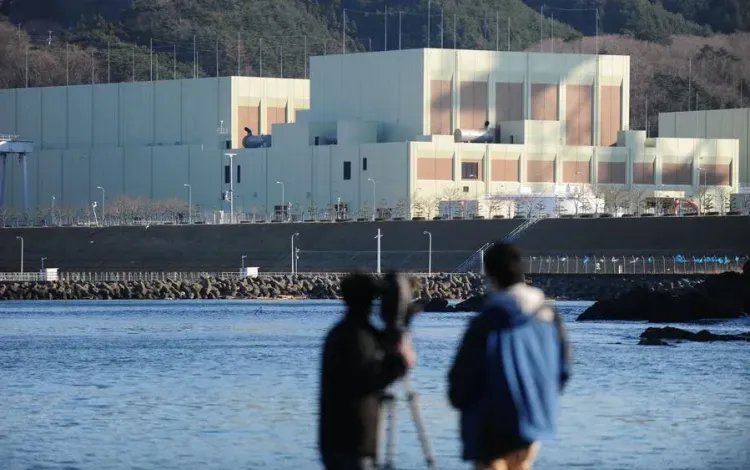
Tohoku Electric Power Co. announced on Friday, 16 May that it will halt the No. 2 reactor at the Onagawa nuclear power station in Miyagi Prefecture, northeastern Japan, after a small amount of radioactive steam was detected inside the unit's turbine building. The company confirmed that no radioactive materials had leaked into the external environment and that the shutdown is being carried out for inspection purposes.
What Was Detected and When
The radioactive steam was found at approximately 5:10 pm local time on Friday within the turbine building of the No. 2 reactor. Tohoku Electric stated that the quantity was small and that containment remained intact, with no environmental release recorded. The company also dismissed any connection between the incident and a 6.4-magnitude earthquake that struck northeastern Japan on the same Friday night.
Timeline of the Reactor's Recent Operations
The No. 2 reactor had previously been taken offline for a scheduled inspection before being brought back online on Monday, with commercial operations set to resume on 9 June. The reactor's restart is itself historically significant: the Onagawa plant had resumed power generation in November 2024 for the first time since the Fukushima nuclear disaster of March 2011. The 825,000-kilowatt reactor, if operated at roughly 70 per cent of capacity for a full year, is estimated to generate electricity equivalent to the power consumption of 1.62 million households, according to Tohoku Electric.
A Pattern of Steam Incidents at Japanese Plants
This is not an isolated event. On 8 May, the No. 3 reactor at the Mihama nuclear power plant in Fukui Prefecture, central Japan, was manually shut down after a steam leak was detected near its high-pressure turbine at around 4:10 am local time. The reactor was taken offline approximately 15 minutes after the leak was found. Operator Kansai Electric Power Co. confirmed that the steam did not contain radioactive material and that there was no impact on the external environment. The Mihama No. 3 reactor, which began operation in 1976, was temporarily shut down after the 2011 Fukushima disaster and only resumed operation in 2021.
Fukushima Shadow and Reactor Design Context
Notably, the three reactors at the Onagawa plant are of the same boiling water type as those at Tokyo Electric Power Company's Fukushima Daiichi plant, where Japan's worst nuclear accident was triggered by the massive earthquake and tsunami on 11 March 2011. That shared reactor design has historically drawn scrutiny from safety advocates, even as regulators have cleared the Onagawa units for operation following post-Fukushima safety upgrades. Two steam-related shutdowns at separate Japanese nuclear facilities within the same month are likely to renew public debate over the pace of Japan's nuclear restart programme.
What Happens Next
Tohoku Electric said the reactor will be temporarily halted for equipment checks as part of an adjustment operation to verify there are no abnormalities while output is gradually increased. The company has not indicated a revised timeline for the resumption of commercial operations beyond the previously announced 9 June date. Regulators and the company are expected to assess findings from the inspection before any restart decision is confirmed.
Point of View
And it only resumed generation in November 2024 after a 13-year hiatus. The real question is not whether the steam posed an immediate danger — operators say it did not — but whether the inspection and commissioning protocols for restarted reactors are rigorous enough. A third incident would make that question impossible to sidestep.
NationPress
7 Oct 2026
Frequently Asked Questions
Why is the Onagawa nuclear plant's No. 2 reactor being shut down?
Tohoku Electric Power Co. is halting the No. 2 reactor at Onagawa nuclear power station in Miyagi Prefecture after a small amount of radioactive steam was detected inside the turbine building on 16 May 2025. The company confirmed no radioactive material leaked into the environment and the shutdown is for inspection.
Was the radioactive steam at Onagawa linked to the nearby earthquake?
No. Tohoku Electric Power Co. explicitly dismissed any connection between the steam detection and the 6.4-magnitude earthquake that struck northeastern Japan on the same Friday night. The company said the two events were unrelated.
What happened at the Mihama nuclear plant in May 2025?
On 8 May, the No. 3 reactor at the Mihama nuclear power plant in Fukui Prefecture was manually shut down after a steam leak was detected near its high-pressure turbine at around 4:10 am local time. Operator Kansai Electric Power Co. confirmed the steam did not contain radioactive material and there was no environmental impact.
When did the Onagawa nuclear plant restart after Fukushima?
The Onagawa nuclear plant resumed power generation in November 2024, marking its first restart since the Fukushima nuclear disaster of March 2011 — a gap of over 13 years.
What type of reactor is used at Onagawa, and why does it matter?
The reactors at Onagawa are boiling water reactors — the same design as those at Tokyo Electric Power Company's Fukushima Daiichi plant, where the 2011 disaster occurred. This shared design has historically attracted scrutiny from nuclear safety advocates, even as regulators have cleared the Onagawa units after post-Fukushima safety upgrades.