Chornobyl nuclear waste site hit by Russian drone strike, Ukraine says
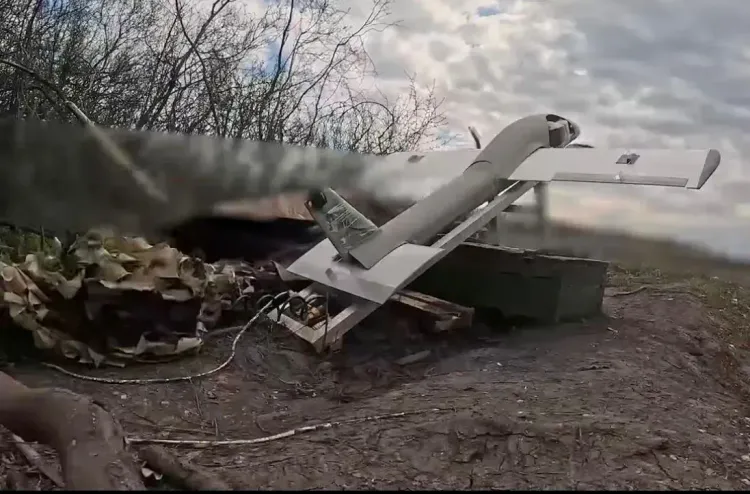
Synopsis
Ukraine's Energoatom says a Russian drone struck a spent nuclear fuel storage building near Chornobyl in the early hours of Saturday — the latest in a series of strikes targeting critical infrastructure. Radiation levels remain normal, but the attack on one of Europe's most sensitive nuclear sites raises the stakes of the conflict sharply.
Key Takeaways
Energoatom accused Russia of striking a spent nuclear fuel storage facility roughly 15 km from the Chornobyl plant on Saturday, 7 June at approximately 2:10 am .
The drone partially destroyed the facility's container-receiving building; no spent nuclear fuel was stored in the damaged section.
A 40-square-metre fire was extinguished; no casualties reported and radiation levels remain within normal limits.
Russia has not responded to the allegations as of Sunday morning.
Separately, Russian air defence reportedly downed 144 Ukrainian drones over the Leningrad region ; 600+ people evacuated after a fire at a Russian Defence Ministry facility in Lomonosovsky district .
The Leningrad attack was the second major drone assault on the St.
Petersburg area since the start of the St.
Petersburg International Economic Forum .
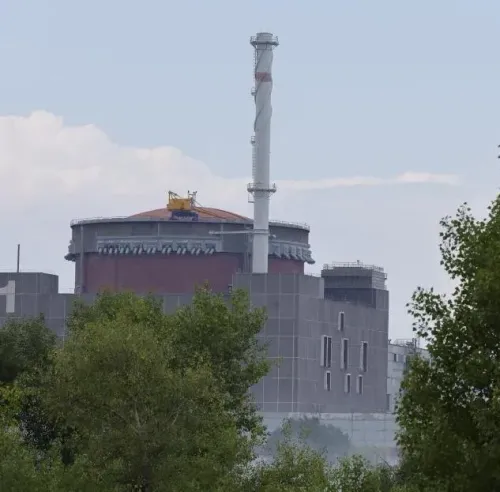
Ukraine's state-run nuclear energy operator Energoatom on Sunday, 7 June accused Russia of striking a spent nuclear fuel storage facility located approximately 15 km from the decommissioned Chornobyl power plant — the site of the worst nuclear disaster in recorded history. The alleged drone attack has drawn international attention amid an already volatile phase of the conflict.
What Happened at the Site
According to Energoatom, the strike occurred at approximately 2:10 am on Saturday, with a drone partially destroying the facility's container-receiving building. The agency confirmed that no spent nuclear fuel was stored in the damaged structure at the time of the attack.
A fire covering roughly 40 square metres broke out but was promptly contained and fully extinguished. No casualties among site personnel were reported, and as of Sunday morning, radiation levels at the facility remained within normal limits.
Russia Has Not Responded
As of Sunday, Russia had not issued any statement acknowledging or denying the alleged attack on the Chornobyl-area facility. The absence of a response from Moscow is notable given the sensitivity of nuclear infrastructure strikes under international law and the terms of the ongoing conflict.
Ukrainian Drone Strike on Russian Region
In a parallel development on Saturday, Russian air defence forces reportedly shot down 144 Ukrainian drones over the Leningrad region during an aerial assault, according to regional Governor Alexander Drozdenko, who posted the update on social media. Drozdenko said no major structural damage was recorded, though falling debris caused minor damage to residential buildings across several districts.
A fire broke out at a Russian Defence Ministry facility in the Lomonosovsky district as a result of the attack. Four local residents required medical assistance; one person was hospitalised while three others, including a child, received on-site treatment. More than 600 people were evacuated from the security perimeter around the facility, according to regional authorities. The fire was subsequently extinguished and emergency recovery work completed.
Timing and Strategic Context
The drone assault on the Leningrad region marked the second major aerial attack on St. Petersburg and surrounding areas since the opening of this year's St. Petersburg International Economic Forum, which concluded on Saturday. The back-to-back strikes signal an escalation in the geographic reach of Ukrainian drone operations, extending well beyond the front lines in eastern and southern Ukraine.
Notably, the Chornobyl facility targeted is distinct from the reactor complex itself but sits within the broader exclusion zone that remains one of the most radiologically sensitive areas in Europe. Any damage to nuclear waste infrastructure in the region carries inherent long-term risk, even when immediate radiation readings are normal.
What Happens Next
International nuclear watchdog IAEA has previously flagged concerns over the safety of nuclear infrastructure in active conflict zones. Whether this incident prompts a formal IAEA inspection or statement remains to be seen. Ukraine is expected to raise the matter at international forums as part of its broader effort to document alleged Russian attacks on civilian and critical infrastructure.
Point of View
The pattern of targeting energy and nuclear-adjacent facilities suggests a deliberate strategy of infrastructure attrition. The IAEA's silence so far is conspicuous; the agency's credibility depends on swift, public engagement whenever nuclear sites enter the conflict's crosshairs. Meanwhile, the simultaneous Ukrainian drone reach into the Leningrad region — nearly 1,500 km from the front — signals that both sides are now operating at strategic depth, a dangerous threshold that the international community has been slow to name directly.
NationPress
23 Sept 2026
Frequently Asked Questions
What was attacked near Chornobyl?
Ukraine's nuclear operator Energoatom says a Russian drone struck the spent nuclear fuel storage facility located about 15 km from the decommissioned Chornobyl power plant. The drone partially destroyed the container-receiving building, though no spent fuel was stored there at the time.
Was any radiation released in the Chornobyl drone strike?
No radiation leak has been reported. Energoatom confirmed that radiation levels at the facility remained within normal limits as of Sunday morning, and no personnel casualties were recorded.
Has Russia acknowledged the Chornobyl attack?
No. As of Sunday, Russia had not issued any statement acknowledging or denying the alleged drone strike on the Chornobyl-area nuclear waste storage facility.
What happened in the Leningrad region drone attack?
Russian air defence forces reportedly shot down 144 Ukrainian drones over the Leningrad region on Saturday. A fire broke out at a Russian Defence Ministry facility in the Lomonosovsky district, injuring four residents and prompting the evacuation of more than 600 people from the surrounding security zone.
Why is a strike near Chornobyl considered especially serious?
Chornobyl was the site of the 1986 nuclear disaster — the worst in history — and the surrounding exclusion zone remains radiologically sensitive. Any damage to nuclear waste storage infrastructure in the area carries potential long-term risk, even when immediate radiation readings are normal, and could trigger international scrutiny under nuclear safety protocols.