Guterres condemns Kuwait drone attack that killed two Italians
Synopsis
Two Italians are dead after drone debris fell in Kuwait, and the blame game has begun. Kuwait points at Iran, cites its right to self-defence and has summoned Tehran's envoy. Iran denies any role and offers a joint probe. UN chief Guterres warns that renewed hostilities would be devastating.
Key Takeaways
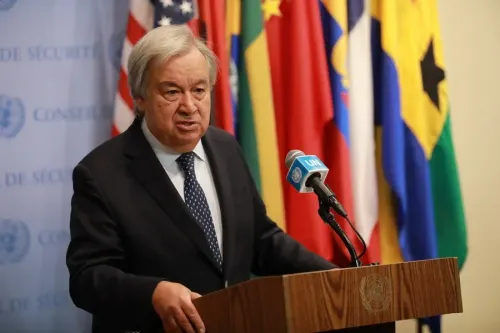
UN Secretary-General Antonio Guterres condemned a drone attack in Kuwait that killed two Italian nationals .
Falling debris from a targeted facility killed the two Italians and injured a Kuwaiti and a Pakistani national , according to Kuwait's military.
Kuwait summoned Iranian ambassador Mohammad Totonchi on Friday and handed him a formal protest note over “continued Iranian attacks”.
Deputy Foreign Minister Hamad Sulaiman Al-Mashaan said Kuwait reserved its “inherent right to self-defense”.
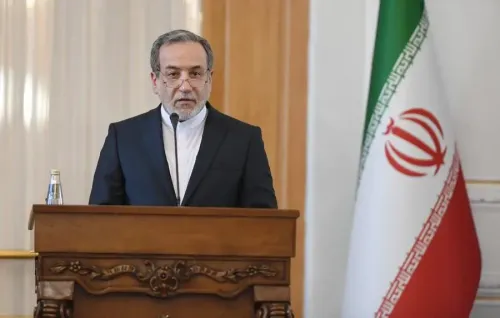
Iranian Foreign Minister Seyed Abbas Araghchi denied any involvement and offered a joint investigation with Kuwait and Italy.
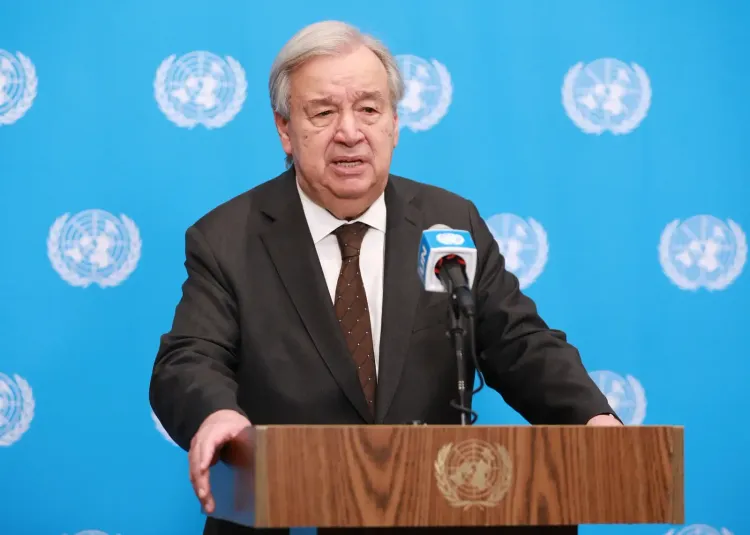
United Nations Secretary-General Antonio Guterres has condemned a drone attack in Kuwait that killed two Italian nationals, and urged all parties to exercise restraint as tensions in the Gulf region rise. Kuwait has blamed Iran for Thursday's attack. Tehran has denied any involvement and has offered a joint investigation with Kuwait and Italy.
The UN chief's position was conveyed by his spokesperson, Stephane Dujarric. According to Dujarric, Guterres is deeply concerned about the continued escalation in the region.
What the UN Secretary-General Said
Guterres called on all parties to refrain from actions that could further undermine regional peace and security or jeopardise ongoing diplomatic efforts, Dujarric said.
“Renewed hostilities would have devastating consequences for the region and beyond,” Dujarric said. He added that Guterres reaffirmed that dialogue and diplomacy remain the only viable path toward lasting peace in the region.
How the Attack Unfolded
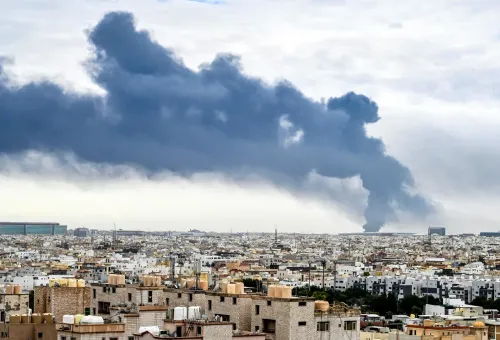
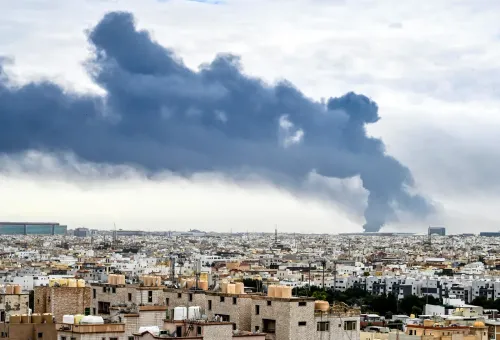
Kuwaiti military spokesperson Saud Abdulaziz Al-Atwan said on Thursday that Kuwaiti forces had detected and engaged several “hostile drones” in the country's airspace. He attributed the drones to Iran.
According to Al-Atwan, falling debris from the targeted facility killed two Italians and injured a Kuwaiti and a Pakistani national. Notably, the deaths were attributed to debris and not to a direct strike on the victims.
Kuwait Summons Iranian Envoy
On Friday, Kuwait summoned Iran's ambassador, Mohammad Totonchi, to protest the attack. In a statement on social media platform X, Kuwait's Foreign Ministry said it had handed Totonchi a formal protest note over what it described as “continued Iranian attacks” against the country.
The ministry said the latest attack targeted a vital facility and caused “extensive material damage.” The wording suggests Kuwait views the incident as part of a pattern rather than a one-off event.
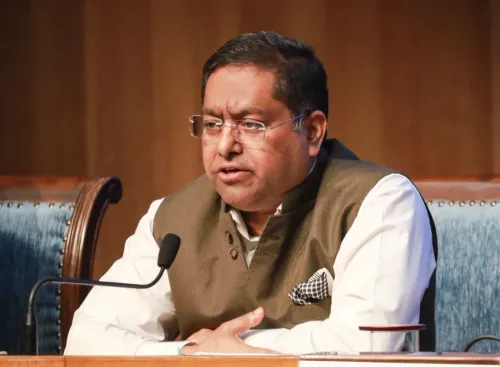
Kuwaiti Deputy Foreign Minister Hamad Sulaiman Al-Mashaan called the attacks “a flagrant violation” of Kuwait's sovereignty and territorial integrity and a serious breach of international law, according to the statement. He held Iran fully responsible for the attacks and their repercussions.
Al-Mashaan also stressed that Kuwait reserved its “inherent right to self-defense” and the right to take all necessary measures to safeguard its sovereignty and protect its citizens and residents.
Iran Denies Involvement
Iranian Foreign Minister Seyed Abbas Araghchi spoke separately by phone with his Kuwaiti and Italian counterparts on Thursday. He said Iran “had no role or involvement whatsoever” in the incident.
Araghchi expressed regret over the casualties. He said Tehran was ready to conduct a joint investigation with Kuwait and Italy to identify the origin of the attack and the parties involved.
Why It Matters
The two governments now hold sharply opposing positions. Kuwait formally attributes the drones to Iran, while Tehran rejects any role. The deaths of European nationals have also drawn Italy into the diplomatic fallout.
Kuwait's reference to its right of self-defence, combined with the UN chief's warning about renewed hostilities, shows how fragile the situation has become. The response to Araghchi's offer of a joint probe could shape whether the dispute moves toward diplomacy or further confrontation.
Point of View
Which raises the diplomatic stakes considerably. Iran's offer of a joint investigation is a calculated move: it shifts the burden onto Kuwait, which must either accept outside scrutiny of its attribution or appear to reject transparency. For India, which has millions of nationals working across the Gulf, any escalation in Kuwait's skies carries direct risk to its diaspora and to its energy supplies.
NationPress
28 Nov 2026
Frequently Asked Questions
What happened in the Kuwait drone attack?
Kuwaiti forces engaged several hostile drones in the country's airspace on Thursday. Falling debris from a targeted facility killed two Italian nationals and injured a Kuwaiti and a Pakistani national, according to Kuwait's military spokesperson.
Who does Kuwait blame for the drone attack?
Kuwait has blamed Iran for the attack and summoned Iranian ambassador Mohammad Totonchi to lodge a formal protest. Its Deputy Foreign Minister held Iran fully responsible for the attacks and their repercussions.
What has Iran said about the Kuwait drone attack?
Iran has denied any involvement. Foreign Minister Seyed Abbas Araghchi said Iran had no role whatsoever, expressed regret over the casualties and offered a joint investigation with Kuwait and Italy.
What did UN chief Antonio Guterres say about the attack?
Guterres condemned the attack and urged all parties to exercise restraint. Through his spokesperson, he warned that renewed hostilities would have devastating consequences and said dialogue and diplomacy remain the only viable path to lasting peace.
Will Kuwait retaliate against Iran?
Kuwait has not announced any retaliation. Deputy Foreign Minister Hamad Sulaiman Al-Mashaan said the country reserves its inherent right to self-defence and to take all necessary measures to protect its sovereignty, citizens and residents.