Kuwait summons Iran envoy after drone attack kills 2 Italians

Synopsis
Kuwait says Iranian drones killed two Italians on its soil and has summoned Tehran's envoy, warning of its right to self-defence. Iran's foreign minister insists the drone did not come from Iran and is offering a joint probe with Kuwait and Italy. Two flatly contradictory accounts now pull a European nation into a Gulf flashpoint.
Key Takeaways
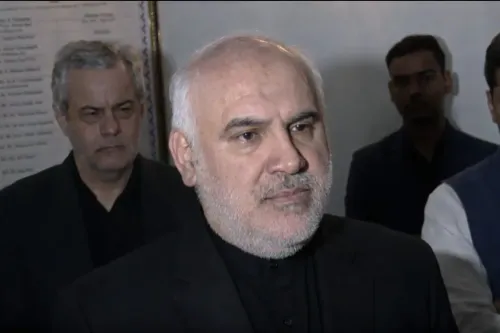
Kuwait summoned Iranian ambassador Mohammad Totonchi on 27 November 2026 and handed him a formal protest note.
A drone attack on 26 November killed two Italians and injured a Kuwaiti and a Pakistani national, according to Kuwait's military.
Deputy Foreign Minister Hamad Sulaiman Al-Mashaan called the attacks “a flagrant violation” of Kuwait's sovereignty and reserved the right to self-defence.
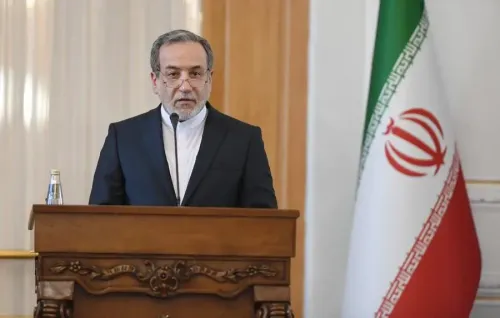
Iranian Foreign Minister Seyed Abbas Araghchi denied any role and offered a joint investigation with Kuwait and Italy.
Italy's Antonio Tajani said Araghchi told him the drone did not originate from Iran.
Kuwait on Friday, 27 November 2026, summoned Iran's ambassador Mohammad Totonchi to protest a drone attack that killed two Italian nationals and injured two others in the Gulf country a day earlier. Kuwait's Foreign Ministry handed the envoy a formal protest note over what it called “continued Iranian attacks.” Tehran has denied any involvement and offered a joint investigation.
Kuwait Lodges Formal Protest
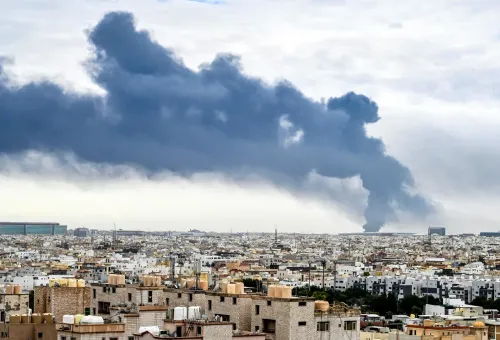
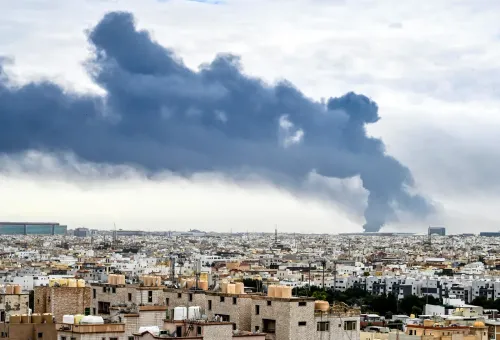
In a statement posted on social media platform X, Kuwait's Foreign Ministry said it had handed Totonchi a formal protest note. According to the ministry, the latest attack targeted a vital facility and caused “extensive material damage.”
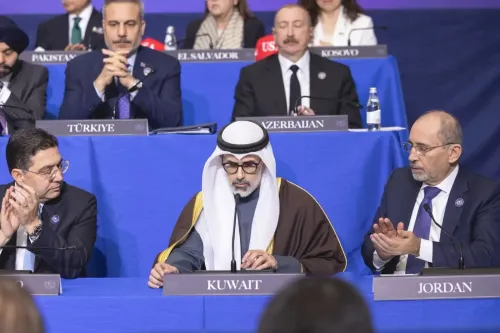
Kuwaiti Deputy Foreign Minister Hamad Sulaiman Al-Mashaan called the attacks “a flagrant violation” of Kuwait's sovereignty and territorial integrity. He also described them as a serious breach of international law and held Iran fully responsible for the attacks and their repercussions, according to the statement.
Al-Mashaan stressed that Kuwait reserved its “inherent right to self-defence.” He added that the country would take all necessary measures to safeguard its sovereignty and protect its citizens and residents.
What Kuwait's Military Reported
Kuwaiti military spokesperson Saud Abdulaziz Al-Atwan said on Thursday, 26 November, that Kuwaiti forces had detected and engaged several “hostile drones” in the country's airspace. He attributed the drones to Iran.
According to Al-Atwan, falling debris from the targeted facility killed two Italians. A Kuwaiti national and a Pakistani national were injured in the incident.
Iran Denies Any Role
On Thursday, Iranian Foreign Minister Seyed Abbas Araghchi said Tehran had no involvement in the attack. He made the remarks in separate phone calls with Kuwait's Foreign Minister Sheikh Jarrah Jaber Al-Ahmad Al-Sabah and Italy's Foreign Minister Antonio Tajani.
During the calls, Araghchi emphasised that Iran “had no role or involvement whatsoever in the occurrence of this event,” according to reports. He said Iran was prepared to conduct a joint investigation with Kuwait and Italy to examine the details of the incident and identify its origin and the parties involved.
Araghchi expressed regret to his Kuwaiti counterpart over the casualties and damage. In his call with Tajani, he expressed regret over the deaths of the two Italians and extended condolences to the Italian government and people.
Tajani said Araghchi told him the drone “was absolutely not launched by Iranian armed forces, nor did it originate from Iran,” according to Italian media reports.
Diverging Accounts and What Comes Next
Notably, the two governments have offered sharply conflicting accounts within 24 hours. Kuwait's military has directly attributed the drones to Iran, while Tehran has issued a categorical denial and proposed a three-way probe involving Italy.
The deaths of foreign nationals have drawn a third country, Italy, into the dispute. That raises the diplomatic stakes beyond a bilateral Gulf matter. Kuwait's reference to its right to self-defence signals that it is keeping its options open.
The immediate questions are whether Kuwait accepts Iran's offer of a joint investigation and what evidence either side makes public about the drones' origin.
Point of View
And that sets up any future response. Iran's swift denial and its offer of a joint probe including Italy is a calculated move to internationalise the inquiry and blunt unilateral blame. For India, which has a vast diaspora across the Gulf, any escalation that endangers expatriate workers is not a distant story. The casualties already include a South Asian national.
NationPress
27 Nov 2026
Frequently Asked Questions
Why did Kuwait summon the Iranian ambassador?
Kuwait summoned Iranian ambassador Mohammad Totonchi on 27 November 2026 to protest a drone attack that killed two Italians a day earlier. The Foreign Ministry handed him a formal protest note over what it called continued Iranian attacks.
How many people were killed or injured in the Kuwait drone attack?
Two Italian nationals were killed and two others were injured, a Kuwaiti and a Pakistani national. Kuwait's military said the casualties were caused by falling debris from the targeted facility.
What did Iran say about the drone attack in Kuwait?
Iranian Foreign Minister Seyed Abbas Araghchi said Iran had no role or involvement whatsoever in the incident. He offered to conduct a joint investigation with Kuwait and Italy.
What has Kuwait said about its response?
Deputy Foreign Minister Hamad Sulaiman Al-Mashaan said Kuwait reserved its inherent right to self-defence. He said the country would take all necessary measures to protect its sovereignty, citizens and residents.
What did Italy's foreign minister say?
Antonio Tajani said Araghchi told him the drone was not launched by Iranian armed forces and did not originate from Iran. Araghchi also conveyed condolences over the two Italian deaths.