Strait of Hormuz control clouds Trump's Iran deal
Synopsis
Trump's Iran deal may have ended four months of conflict — but critics argue it handed Tehran a far more dangerous prize: effective leverage over the Strait of Hormuz, through which roughly 20% of the world's oil flows. Former officials warn Iran now has a 'tool' to selectively block shipping, while Senator Graham has threatened US military control if diplomacy fails.
Key Takeaways
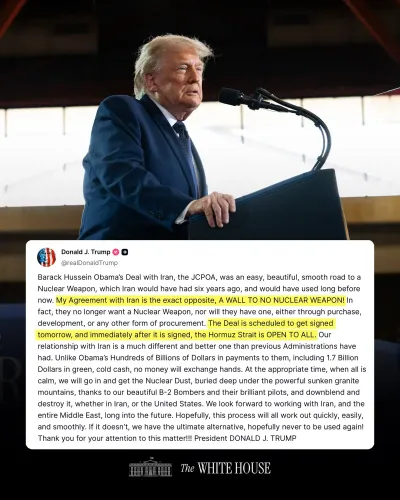
A US-Iran memorandum of understanding signed last week ended nearly four months of conflict but has sparked fierce debate over Strait of Hormuz control.
Former White House energy adviser Amos Hochstein warned Iran is 'planning for control' of the strait, potentially including a toll or fee structure on passing vessels.
Former Defence Secretary Mark Esper called potential Iranian control of Hormuz a 'strategic setback' for the United States.
UN Ambassador Mike Waltz defended the deal, citing a UN vote in which 143 countries condemned Iran for 'illegal mining of the straits.' Senator Lindsey Graham warned that if diplomacy fails, the US would move to take direct control of the Strait of Hormuz.
Energy analyst Kevin Book of ClearView Energy Partners cautioned that market stabilisation could take time even if tensions ease.
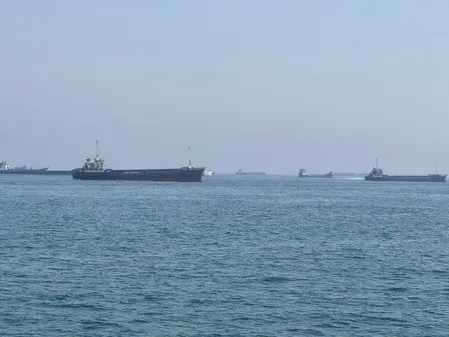
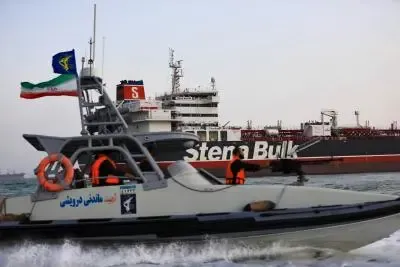
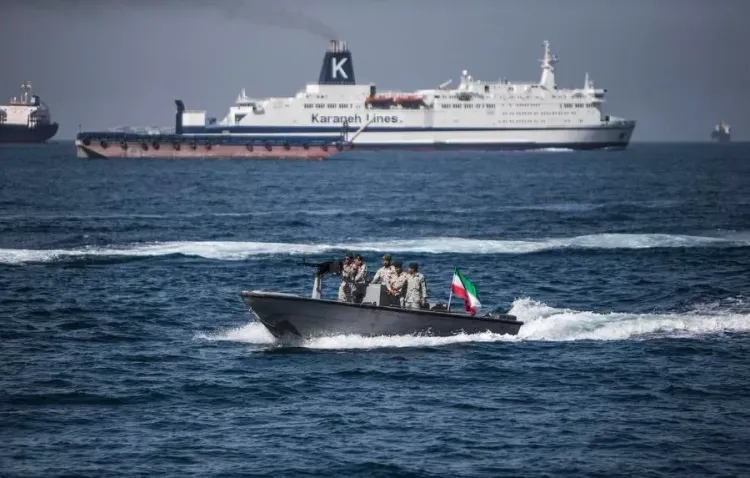
Concerns over the future of the Strait of Hormuz have emerged as one of the most divisive issues surrounding President Donald Trump's new agreement with Iran, with lawmakers, former officials, and energy analysts warning that Tehran could secure lasting leverage over one of the world's most critical maritime chokepoints. The memorandum of understanding, signed last week, ended nearly four months of conflict between Washington and Tehran — but critics across the political spectrum question whether it has, in practice, strengthened Iran's hand in the narrow waterway through which a substantial share of global oil and liquefied natural gas supplies pass.
What Critics Are Saying
Former White House energy adviser Amos Hochstein argued that Iran's influence over the strait could prove to be one of the agreement's most consequential outcomes. Speaking on CBS's Face the Nation, Hochstein said: 'Iran controls the strait. Control means a lot of different things. But, effectively, they are planning for control with eventually a toll of some kind or a fee structure of some kind.'
He warned the issue extended well beyond navigation rights. 'If I don't like Saudi Arabia or I'm upset with Kuwait, I can say your ships are not crossing,' Hochstein said, outlining the potential for Iran to selectively block passage for vessels from specific nations.
Former Defence Secretary Mark Esper, appearing on NBC's Meet the Press, echoed those concerns. 'We cannot allow the Iranians to control the Strait of Hormuz,' Esper said. 'I think a strategic setback would be if that is indeed the case.' He added that Iran may have discovered a powerful new instrument of geopolitical leverage: 'They have discovered that they have a tool that they can use,' referring to the ability to threaten global energy flows through the strait.
The Trump Administration's Defence
US Ambassador to the United Nations Mike Waltz pushed back firmly against the criticism, asserting that negotiations were conducted from 'a position of strength' and that Iran remained economically, militarily, and diplomatically weakened. Waltz pointed to a United Nations vote in which '143 countries' condemned Iran 'for its illegal mining of the straits' and attempts to disrupt global commerce, arguing that international opinion had largely sided against Tehran's conduct in the waterway.
Congressional Warning
Republican Senator Lindsey Graham struck a more combative tone, suggesting Washington would act unilaterally if diplomacy collapsed. 'If this diplomatic effort fails, President Trump is going to take the Strait of Hormuz,' Graham said. 'The United States will control the Strait of Hormuz.' The remarks signal that congressional hawks remain unconvinced the agreement resolves the underlying strategic contest over the waterway.
Energy Market Implications
Energy analysts caution that the strait's future status may ultimately prove as consequential as the nuclear negotiations themselves. Kevin Book of ClearView Energy Partners noted that energy markets remain highly sensitive to developments in the region and warned that restoring inventories and stabilising prices could take considerable time even if diplomatic tensions ease. This comes amid already fragile global energy supply chains, where any disruption to Hormuz — through which an estimated 20% of the world's oil transits — would have immediate and far-reaching price consequences.
With the ink barely dry on the memorandum, the question of who effectively controls the Strait of Hormuz looks set to define the next phase of US-Iran relations.
Point of View
If contested, ability to threaten one of the world's most critical energy arteries. The Trump administration's 'position of strength' framing sits uneasily alongside a UN vote that had to be called in the first place because Iran had already mined an international waterway. Senator Graham's threat of US seizure of the strait, meanwhile, signals that the political cost of any perceived concession on Hormuz could ultimately be higher than the cost of the deal itself.
NationPress
22 Jun 2026
Frequently Asked Questions
What is the Strait of Hormuz and why does it matter?
The Strait of Hormuz is a narrow waterway between Iran and Oman through which an estimated 20% of the world's oil and a significant share of liquefied natural gas supplies pass. Any disruption to shipping there would have immediate and severe consequences for global energy prices.
What did Trump's Iran agreement actually cover?
The memorandum of understanding signed last week ended nearly four months of conflict between Washington and Tehran. The full terms have not been publicly disclosed, but critics argue it left unresolved the question of Iran's influence over the Strait of Hormuz.
Why are former US officials concerned about the deal?
Former White House energy adviser Amos Hochstein and former Defence Secretary Mark Esper have both warned that Iran may now hold effective leverage over the Strait of Hormuz, including the potential to impose tolls or block specific nations' vessels — a tool that could be used for geopolitical coercion.
How has the Trump administration responded to these concerns?
UN Ambassador Mike Waltz defended the deal, saying negotiations were conducted from 'a position of strength' and pointing to a UN vote in which 143 countries condemned Iran for illegally mining the strait. He argued Iran remains weakened economically, militarily, and diplomatically.
What happens if the diplomatic agreement breaks down?
Republican Senator Lindsey Graham warned that if the diplomatic effort fails, President Trump would move to take direct US control of the Strait of Hormuz — a statement that underscores the high strategic stakes attached to the waterway's future status.