HPV vaccine can eliminate cervical cancer in India, says Padma Bhushan oncologist Nori
Synopsis
An Indian-American oncologist honoured with the Padma Bhushan says HPV vaccination could eliminate cervical cancer in India within years — a striking claim given that 200 Indian women still die from the preventable disease every single day. Dr Dattatreyudu Nori's remarks put a sharp spotlight on how close India is to turning the tide, if vaccination coverage holds.
Key Takeaways
Dr Dattatreyudu Nori , a 2026 Padma Bhushan awardee in medicine, says HPV vaccination could eliminate cervical cancer in India within a few years.
Approximately 200 women die of cervical cancer in India every day, according to Nori.
Nori welcomed the introduction of free HPV vaccination for girls in India as a major prevention step.
He credited the past 12 years of healthcare reforms, including the establishment of the National Cancer Institute and reduced costs of imported chemotherapy drugs.
Nori, who has led a department at an Ivy League medical school in the US, expressed strong optimism about India's strides in cancer detection, screening, and treatment.
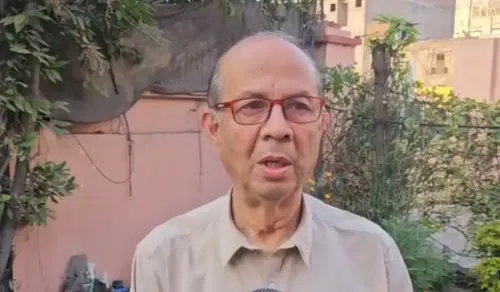
Indian-American radiation oncologist Dr Dattatreyudu Nori, a 2026 Padma Bhushan awardee, has said that HPV vaccination could give India a decisive edge in its battle against cervical cancer — and potentially eliminate the disease within a few years. Speaking at an event in Washington on 28 July, Nori described the vaccine as a turning point in one of India's most pressing public health challenges.
The scale of the problem
Nori underscored the urgency of the issue, noting that approximately 200 women die of cervical cancer every day in India. He called this figure particularly distressing given that the disease is, in his words, entirely manageable. 'Cancer of the cervix is preventable, is detectable, is treatable and curable,' he said, stressing that every death from the condition represents a preventable loss.
Why HPV vaccination is a game-changer
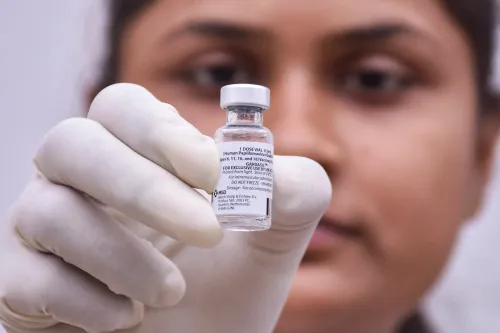
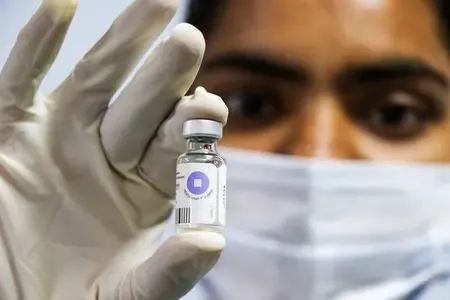
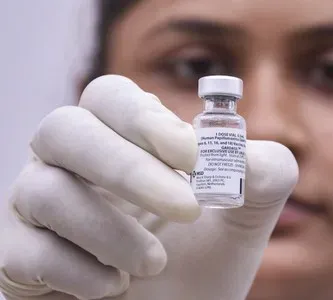
The oncologist welcomed the Indian government's move to introduce free HPV vaccination for girls, calling it a substantial step toward strengthening national prevention efforts. 'Now, with the HPV vaccination, we have an upper hand, and in few years, we'll be able to eliminate cancer of the cervix from India,' Nori said. His remarks carry weight: Nori rose through the ranks of medicine and academia in the United States over the past 50 years to lead a department at an Ivy League medical school — a trajectory he described as uniquely possible in America.
Healthcare progress over the past decade
Nori also credited significant advances in India's healthcare infrastructure over the past 12 years, citing cancer prevention and treatment as areas of notable improvement. He pointed to the establishment of the National Cancer Institute — which he noted did not exist before — as a landmark development, along with the expansion of cancer and outpatient treatment centres across the country.
He added that the government had extended financial assistance to patients and reduced the cost of imported chemotherapy medicines, making treatment more accessible. 'So many other programs he's introduced in terms of cancer care. So I really commend him for his contributions,' Nori said, referring to Prime Minister Narendra Modi.
Outlook for India's cancer care
Nori expressed broad optimism about the direction of India's oncology sector. 'I'm very optimistic that we will be making significant strides in cancer detection, prevention, screening, and treatment in India,' he said. The Padma Bhushan — India's third-highest civilian honour — was conferred on Nori in the field of medicine in 2026, with the government's Padma Awards portal listing him as an awardee from the United States. As India scales its HPV vaccination programme, experts like Nori argue the window to decisively reduce cervical cancer mortality has never been wider.
Point of View
Yet rural uptake, cold-chain logistics, and awareness deficits have historically blunted similar programmes. The 200-deaths-per-day figure is a damning baseline for a disease that is, by every clinical measure, preventable. The optimism is warranted only if India treats vaccination coverage as a measurable public health target, not a symbolic gesture.
NationPress
28 Jul 2026
Frequently Asked Questions
What did Dr Dattatreyudu Nori say about HPV vaccination and cervical cancer in India?
Dr Nori said HPV vaccination gives India an 'upper hand' and that cervical cancer could be eliminated from the country within a few years. He described the disease as preventable, detectable, and curable, making current death tolls especially distressing.
How many women die of cervical cancer in India every day?
According to Dr Nori, approximately 200 women die of cervical cancer in India every day. He cited this figure to highlight the urgency of scaling up HPV vaccination and screening programmes.
What is the free HPV vaccination programme in India?
The Indian government has introduced free HPV vaccination for girls as part of its national immunisation drive. Dr Nori welcomed the move, saying it could substantially strengthen cervical cancer prevention efforts across the country.
Who is Dr Dattatreyudu Nori and why is he significant?
Dr Dattatreyudu Nori is an Indian-American radiation oncologist who rose to lead a department at an Ivy League medical school in the United States over a career spanning 50 years. He was conferred the Padma Bhushan — India's third-highest civilian honour — in the field of medicine in 2026.
What healthcare improvements in India did Dr Nori highlight?
Dr Nori cited the establishment of the National Cancer Institute, expansion of cancer and outpatient treatment centres, financial assistance to patients, and reduced costs of imported chemotherapy medicines as key advances over the past 12 years.