HRCP demands end to governor's rule in Khyber Pakhtunkhwa, release of CM Afridi
Synopsis
Pakistan's only opposition-governed province is under federal emergency rule, its elected chief minister in detention and its assembly suspended. The Human Rights Commission of Pakistan is calling it a 'grave affront to democratic norms' — and warning that governing by emergency could irretrievably damage Pakistani democracy.
Key Takeaways
The Human Rights Commission of Pakistan (HRCP) on 25 October 2026 demanded the lifting of emergency and governor's rule in Khyber Pakhtunkhwa .
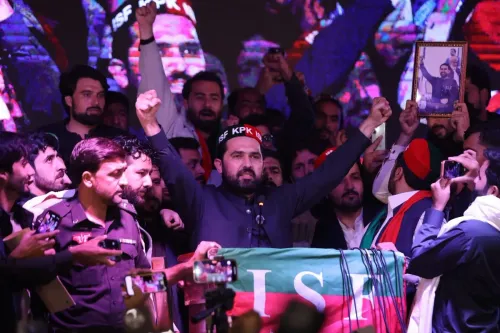
Chief Minister Sohail Afridi , MNA Junaid Akbar , and assembly speaker Babar Saleem Swati were taken into 'preventive custody' on 12 October .
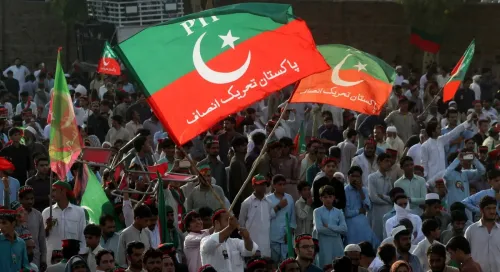
Khyber Pakhtunkhwa is Pakistan's only opposition-led province, governed by PTI , making the federal intervention particularly controversial.
The HRCP flagged police raids on PTI workers in Peshawar , Swat , and Khyber , and a reported lathi charge on a gathering of 2,000–4,000 people in Bara .
Internet and mobile shutdowns, curfews, and military deployments in North and South Waziristan , Bannu , and Miranshah continue to affect civilian life.
HRCP urged both the federal government and PTI to resume political dialogue involving civil society.
The Human Rights Commission of Pakistan (HRCP) on Sunday, 25 October 2026, demanded the immediate lifting of emergency and governor's rule in Khyber Pakhtunkhwa (KP), Pakistan's only opposition-led province, and called for the unconditional release of Chief Minister Sohail Afridi and all others reportedly detained without due process. The demand marks the rights body's second formal intervention in two weeks, reiterating opposition it had first voiced before the emergency was imposed.
Background: What Triggered the Crisis
The crisis in Khyber Pakhtunkhwa escalated on 12 October, when the federal government suspended the provincial government and placed the province under emergency and governor's rule. Within hours, Chief Minister Sohail Afridi, National Assembly member Junaid Akbar, and assembly speaker Babar Saleem Swati were taken into what authorities described as 'preventive custody', according to reports from Pakistan-based daily Dawn. Several other cabinet members were also detained. The Afridi-led government belonged to Pakistan Tehreek-e-Insaf (PTI), making KP the sole province governed by the opposition.
HRCP's Core Demands
In a statement posted on X, the HRCP outlined four central demands: the immediate release of the chief executive and all arbitrarily detained individuals; the lifting of emergency and governor's rule; the restoration of the provincial assembly; and the resumption of comprehensive political dialogue between the federal government and PTI, with civil society participation. The rights body stressed that 'governing by emergency rather than consensus could irretrievably weaken Pakistan's democracy.'
The HRCP specifically flagged that detainees must be informed of the grounds for their detention, granted access to lawyers and family members, and produced before a court within the legally mandated timeframe. It noted that Khyber Pakhtunkhwa's 'history of opaque internment centres makes these safeguards particularly urgent.'
Wider Crackdown and Civilian Impact
The HRCP voiced concern over reports of police raids targeting PTI workers in Peshawar, Swat, and Khyber, as well as the arrest of women PTI workers in Punjab, which it said pointed to 'a wider crackdown on political activity.' In Bara, police reportedly used a lathi charge against a gathering estimated at between 2,000 and 4,000 people. The HRCP acknowledged that some of these reports require further verification.
Curfews and military deployments in North and South Waziristan, Bannu, and Miranshah continue to disrupt civilian life, according to the statement. The federal government also drew criticism for initial internet and mobile shutdowns in the province, which the HRCP said restricted access to information and undermined education, communication, and livelihoods.
On Counter-Terrorism Measures
The HRCP said it 'condemns militancy and terrorism' but stressed that counter-terrorism operations must remain within the law and not serve as a pretext for collective punishment, excessive force, or the suppression of fundamental rights. It warned that military operations risk civilian casualties and mass displacement, and that 'force alone has repeatedly remained unable to deliver lasting peace.'
What Comes Next
The HRCP has urged both the federal government and PTI to resume political dialogue to address militancy, protect fundamental rights, and secure local ownership of resources. Whether Islamabad responds to the rights body's demands — or escalates its security posture in the province — will determine whether Khyber Pakhtunkhwa's constitutional crisis deepens or finds a negotiated resolution in the days ahead.
Point of View
Signalling that this is not a novel concern but a recurring pattern. What is new is the scale: detaining an elected chief minister, suspending an assembly, and arresting women party workers in another province simultaneously suggests a coordinated effort to hollow out PTI's institutional base. Whether the courts assert themselves — or remain silent — will be the real indicator of how much democratic infrastructure Pakistan still has left to draw on.
NationPress
25 Oct 2026
Frequently Asked Questions
Why has the HRCP demanded an end to governor's rule in Khyber Pakhtunkhwa?
The HRCP says the imposition of emergency and governor's rule in Khyber Pakhtunkhwa on 12 October amounts to a 'grave affront to democratic norms', particularly because KP is Pakistan's only opposition-led province. The rights body argues the move reflects political targeting rather than a genuine security imperative, and that the detention of elected officials bypasses judicial safeguards.
Who has been detained in Khyber Pakhtunkhwa and why?
Chief Minister Sohail Afridi, National Assembly member Junaid Akbar, and assembly speaker Babar Saleem Swati were taken into 'preventive custody' on 12 October, after the federal government suspended the provincial government under emergency rule. Several other cabinet members were also detained, according to reports.
What is the HRCP's position on counter-terrorism operations in the province?
The HRCP says it condemns militancy and terrorism but insists that counter-terrorism measures must be lawful and not serve as a pretext for collective punishment or suppression of fundamental rights. It warns that military operations risk civilian casualties and mass displacement, and that force alone has historically failed to deliver lasting peace.
What other rights violations has the HRCP flagged in Khyber Pakhtunkhwa?
The HRCP has flagged internet and mobile shutdowns, curfews and military deployments in North and South Waziristan, Bannu, and Miranshah, police raids on PTI workers in Peshawar, Swat, and Khyber, and a reported lathi charge on a crowd of 2,000–4,000 people in Bara. It also noted arrests of women PTI workers in Punjab, pointing to a wider political crackdown.
What has the HRCP urged both sides to do?
The HRCP has called on both the federal government and PTI to resume comprehensive political dialogue, involving civil society, to address militancy, protect fundamental rights, and secure local ownership of resources. It warned that 'governing by emergency rather than consensus could irretrievably weaken Pakistan's democracy.'