IDF orders Nabatiyeh evacuation, cites Hezbollah ceasefire breach
Synopsis
Despite a ceasefire announced in April, the IDF has ordered civilians in Nabatiyeh to flee north of the Zahrani River, warning of forceful action against Hezbollah. With Israeli forces still in southern Lebanon and diplomacy scheduled for early June, the ceasefire exists largely on paper — and civilians are caught in the gap.
Key Takeaways
The IDF ordered all residents of Nabatiyeh to evacuate north of the Zahrani River on 26 May , citing Hezbollah ceasefire violations.
Military spokesperson Avichay Adraee posted the warning on X , stating the army would act 'forcefully' against Hezbollah.
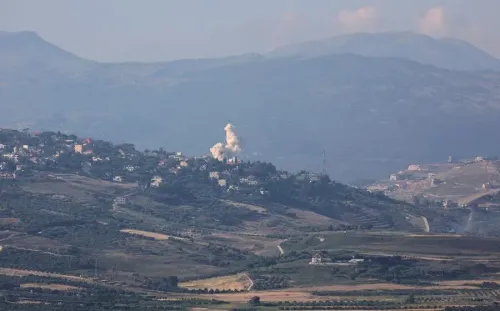
Earlier alerts covered seven villages — Mefdon, Shukin, Yahmar, Arnoun, Zoter Sharqiya, Zoter Gharbiya , and Kafr Tibnit — followed by IDF strikes.
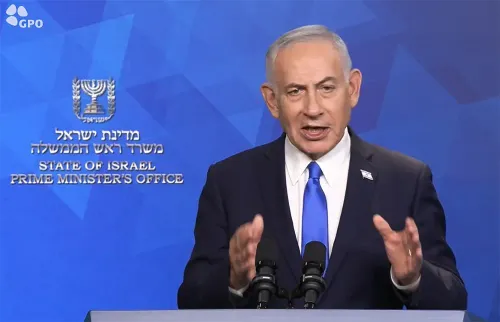
PM Netanyahu held a security consultation with Defence Minister Katz and Chief of Staff Zamir in Tel Aviv on the same day.
Israel and Lebanon are scheduled to hold political talks at the US State Department on 2–3 June and military talks at the Pentagon on 29 May .
A ceasefire was announced in April , but Israeli forces remain in southern Lebanon and have continued daily strikes.
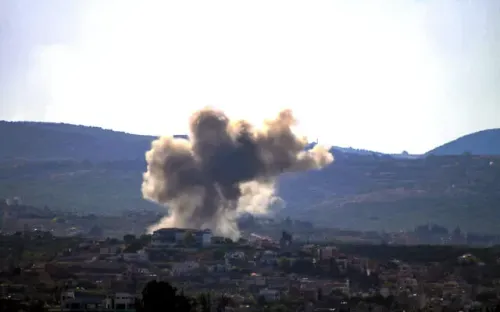
The Israel Defence Forces (IDF) on Tuesday, 26 May issued an evacuation order for residents of the Lebanese city of Nabatiyeh, warning of imminent military action and citing what it described as Hezbollah's repeated violations of the ceasefire agreement. The directive marks a fresh escalation in southern Lebanon despite a ceasefire announced in April.
What the IDF Said
Israeli military spokesperson Avichay Adraee posted on X that all residents of Nabatiyeh must move north of the Zahrani River immediately. 'In light of the terrorist Hezbollah's violation of the ceasefire agreement, the Defence Army is forced to act against it forcefully. The Defence Army does not intend to harm you,' Adraee wrote.
He added: 'Out of concern for your safety, you must evacuate your homes immediately and move north of the Zahrani River. Anyone present near Hezbollah elements, their facilities, and their combat means endangers their life!'
Prior Evacuation Alerts and Strikes
The Nabatiyeh order follows earlier IDF evacuation alerts issued for the villages of Mefdon, Shukin, Yahmar, Arnoun, Zoter Sharqiya, Zoter Gharbiya, and Kafr Tibnit in Lebanon. In those instances, the IDF had asked residents to stay at least 1,000 metres outside specified areas before proceeding to strike several structures, which it claimed were used by Hezbollah to advance plots against Israeli forces and Israel.
Senior-Level Consultations in Tel Aviv
On the same day, Israeli Prime Minister Benjamin Netanyahu convened a security consultation at the Kirya in Tel Aviv with Defence Minister Israel Katz and Chief of the General Staff Eyal Zamir. On Sunday, Zamir had stated that Israeli forces were continuing to strike Hezbollah 'across all dimensions' in Lebanon.
Ceasefire Status and Diplomatic Track
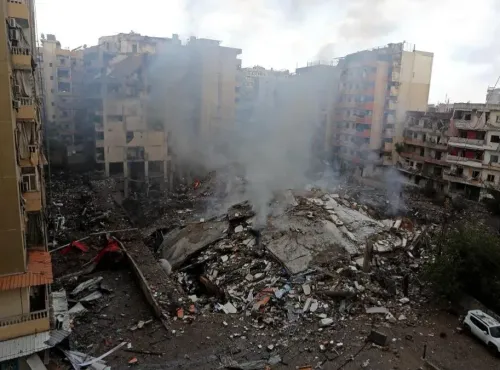
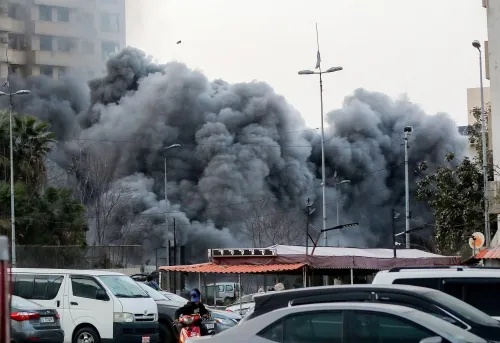
A ceasefire between Israel and Lebanon was announced in April, but Israeli forces have not withdrawn from southern Lebanon and have continued conducting daily strikes, asserting they are targeting Hezbollah positions and personnel. This comes amid a parallel diplomatic effort: according to US State Department spokesman Tommy Piggott, Israel and Lebanon are set to resume political negotiations at the US State Department on 2–3 June, while military delegates from both sides are scheduled to hold security talks at the Pentagon on 29 May.
The dual-track dynamic — active Israeli strikes alongside scheduled diplomacy — underscores the fragile and contested nature of the current ceasefire arrangement, with civilians in southern Lebanon bearing the immediate cost of the standoff.
Point of View
While scheduled diplomacy in Washington offers little immediate relief to civilians on the ground. The pattern — evacuation warning, then strike — has now repeated across multiple Lebanese villages, raising questions about proportionality and the international community's capacity to enforce the terms it brokered. With military talks at the Pentagon set for 29 May, the next 72 hours will test whether the diplomatic track can restrain the operational one.
NationPress
10 Oct 2026
Frequently Asked Questions
Why has the IDF ordered residents of Nabatiyeh to evacuate?
The IDF issued the evacuation order on 26 May, citing what it described as Hezbollah's violations of the ceasefire agreement. Military spokesperson Avichay Adraee warned that Israeli forces would act 'forcefully' against Hezbollah in the area and urged civilians to move north of the Zahrani River immediately.
Is there a ceasefire between Israel and Lebanon?
A ceasefire between Israel and Lebanon was announced in April 2025, but Israeli forces have not withdrawn from southern Lebanon and have continued conducting daily strikes targeting what they describe as Hezbollah positions. The arrangement is widely regarded as fragile and contested.
What diplomatic talks are planned between Israel and Lebanon?
According to US State Department spokesman Tommy Piggott, Israel and Lebanon are scheduled to resume political negotiations at the US State Department on 2–3 June, with parallel military security talks set for the Pentagon on 29 May.
Which other Lebanese villages has the IDF previously issued evacuation alerts for?
Prior to the Nabatiyeh order, the IDF had issued evacuation alerts for the villages of Mefdon, Shukin, Yahmar, Arnoun, Zoter Sharqiya, Zoter Gharbiya, and Kafr Tibnit. Strikes followed those alerts, with the IDF claiming the targeted structures were used by Hezbollah.
What is the Israeli military's stated justification for continued strikes despite the ceasefire?
The IDF maintains that Hezbollah has repeatedly violated the ceasefire agreement and that its strikes target Hezbollah sites, fighters, and infrastructure used to advance plots against Israeli forces and Israel. Chief of the General Staff Eyal Zamir said on Sunday that Israeli forces were striking Hezbollah 'across all dimensions' in Lebanon.