Israel army chief: IDF ready to resume intense combat against Iran immediately
Synopsis
Even as US-Iran ceasefire talks edge forward, Israel's army chief has declared the IDF ready to resume intense combat against Iran 'immediately' — and Netanyahu has publicly aligned with Trump on a demand to dismantle Iran's nuclear enrichment sites entirely. The gap between diplomatic progress and Israeli red lines has rarely been starker.
Key Takeaways
IDF Chief of the General Staff Eyal Zamir declared on 25 May that Israel is prepared to ‘resume intense combat operations immediately’ against Iran .
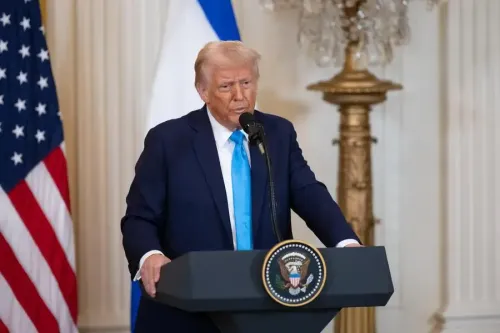
Benjamin Netanyahu and Donald Trump agreed any final Iran deal must include dismantling nuclear enrichment sites and removing enriched material from Iranian territory.
Netanyahu posted the statement on X , referencing a call with Trump about a memorandum of understanding on the Strait of Hormuz .
The US and Iran reportedly made progress in ceasefire extension talks, but disagreements over Tehran's nuclear programme remain unresolved.
Israel continues daily strikes on Hezbollah in Lebanon despite an April ceasefire announcement, and has not withdrawn forces from southern Lebanon.
Netanyahu's security cabinet was expected to convene Sunday evening to assess the rapidly evolving situation.
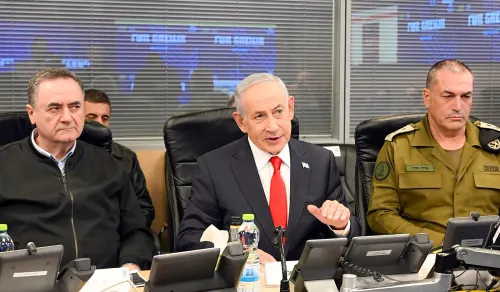
Israeli Army Chief of the General Staff Eyal Zamir declared on Sunday, 25 May that the Israeli Defence Forces (IDF) are prepared to resume intense combat operations against Iran immediately, even as Washington and Tehran reported progress in talks aimed at extending a ceasefire and reopening the Strait of Hormuz. The statement, issued during a situational assessment at the military's Northern Command, underscores the fragility of the current diplomatic window.
Zamir's Warning at Northern Command
Speaking at the Northern Command situational assessment, Zamir said the IDF “is prepared to resume intense combat operations immediately” and is positioned to further degrade Iran's military capabilities. He added: “We will maintain readiness and operational flexibility for as long as required.” The blunt language signals that Israel views any diplomatic progress as reversible and is not standing down its forces.
Netanyahu-Trump Coordination on Iran Nuclear Talks
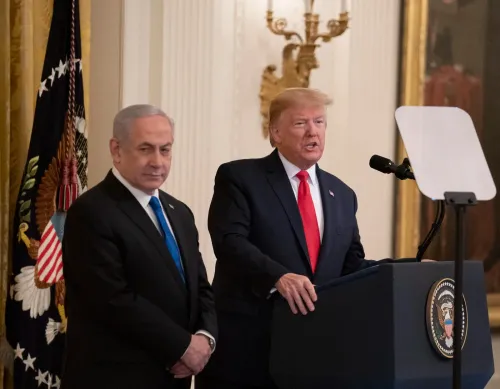
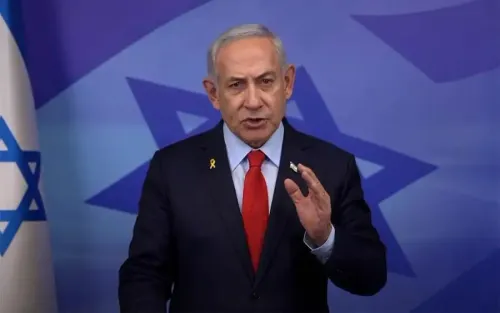
Israeli Prime Minister Benjamin Netanyahu said on Sunday that he and US President Donald Trump had spoken and reached alignment on the terms for any final agreement with Iran. In a post on social media platform X, Netanyahu stated: “I spoke last night with President Trump about the memorandum of understanding to reopen the Straits of Hormuz and the upcoming negotiations toward a final agreement on Iran’s nuclear program.”
Netanyahu laid out a firm red line: “President Trump and I agreed that any final agreement with Iran must eliminate the nuclear danger. That means dismantling Iran’s nuclear enrichment sites and removing its enriched nuclear material from its territory.” He also expressed appreciation to Trump for his “unwavering commitment” to Israel’s security, including during Operation Roaring Lion and Operation Epic Fury, in which American and Israeli forces reportedly fought jointly against Iranian threats.
US-Iran Talks: Progress but Gaps Remain
According to reports, the United States and Iran have made headway in negotiations focused on extending the ceasefire and restoring shipping through the Strait of Hormuz. However, significant disagreements reportedly persist over Tehran's nuclear programme — precisely the issue on which Netanyahu and Trump have staked out a maximalist position. Netanyahu's security cabinet was expected to convene on Sunday evening to assess the developments.
Israel Continues Strikes on Hezbollah in Lebanon
Separately, Zamir confirmed that Israeli forces were continuing to strike Hezbollah “across all dimensions” in Lebanon. A ceasefire between Israel and Lebanon was announced in April, but Israel has not withdrawn its forces from southern Lebanon and continues to carry out daily strikes, saying these target Hezbollah positions and fighters. Critics argue the continued operations undermine the ceasefire's credibility.
What Comes Next
The convergence of active IDF readiness declarations, Netanyahu-Trump coordination, and unresolved US-Iran nuclear gaps creates a volatile diplomatic environment. Whether the Strait of Hormuz memorandum of understanding advances — and whether Iran accepts the nuclear dismantlement terms Israel and the US have outlined — will determine if the region moves toward a durable agreement or a return to open conflict.
Point of View
Designed to constrain what Washington can concede. The Netanyahu-Trump alignment on nuclear dismantlement sets a bar that Tehran has historically refused to cross, raising the question of whether this diplomatic round is genuinely aimed at an agreement or at managing the optics of a breakdown. Israel's continued strikes in Lebanon despite an April ceasefire also reveal a pattern: agreements are treated as pauses, not endpoints. The real test is whether Trump's team is willing to hold the dismantlement line when Iranian negotiators push back — or whether the Strait of Hormuz memorandum becomes the ceiling rather than the floor of any deal.
NationPress
9 Oct 2026
Frequently Asked Questions
What did Israeli army chief Eyal Zamir say about Iran?
IDF Chief of the General Staff Eyal Zamir said on 25 May that the Israeli military 'is prepared to resume intense combat operations immediately' against Iran and would work to further weaken its capabilities. He made the remarks during a situational assessment at the Northern Command.
What did Netanyahu and Trump agree on regarding Iran?
Israeli Prime Minister Benjamin Netanyahu said he and US President Donald Trump agreed that any final agreement with Iran must eliminate the nuclear danger by dismantling Iran's nuclear enrichment sites and removing its enriched nuclear material from its territory. Netanyahu posted the statement on social media platform X after a call with Trump.
How are US-Iran ceasefire talks progressing?
The United States and Iran have reportedly made progress in talks aimed at extending a ceasefire and reopening the Strait of Hormuz. However, significant disagreements reportedly remain over Tehran's nuclear programme, which is also the central sticking point for Israel.
Is the Israel-Lebanon ceasefire holding?
A ceasefire between Israel and Lebanon was announced in April, but Israel has not withdrawn its forces from southern Lebanon and continues to carry out daily strikes, saying these target Hezbollah sites and fighters. Army chief Zamir confirmed strikes on Hezbollah were continuing 'across all dimensions.'
What is the significance of Operation Roaring Lion and Operation Epic Fury?
Netanyahu referenced Operations Roaring Lion and Epic Fury as instances in which American and Israeli forces reportedly fought jointly against Iranian threats, citing them to underscore Trump's 'unwavering commitment' to Israel's security during the current diplomatic process.