US strikes Iran again over Strait of Hormuz attacks; Trump warns it will get 'much worse'
Synopsis
The US has struck Iran for a second consecutive day, targeting IRGC assets across southern Iran including air defences, radar sites, and over 60 small boats — after Tehran reportedly attacked commercial vessels in the Strait of Hormuz. Trump has simultaneously revoked Iran's oil-sale licence and issued a stark public warning, even as Tehran signals it wants a deal.
Key Takeaways
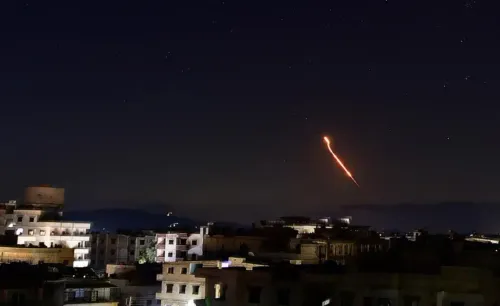
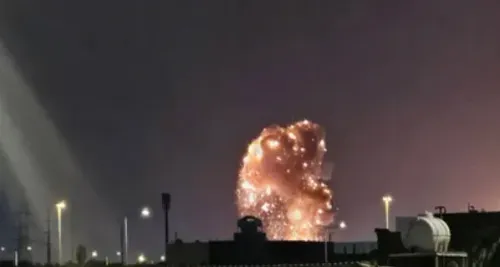
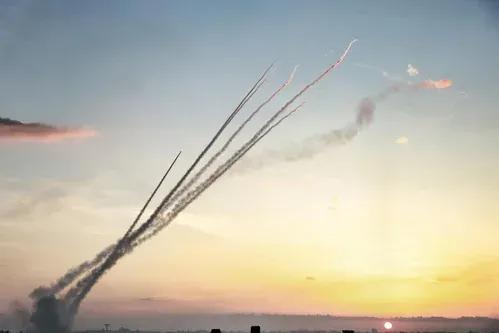
The United States launched a second consecutive day of military strikes against Iran on 9 July , targeting assets linked to threats against Strait of Hormuz shipping.
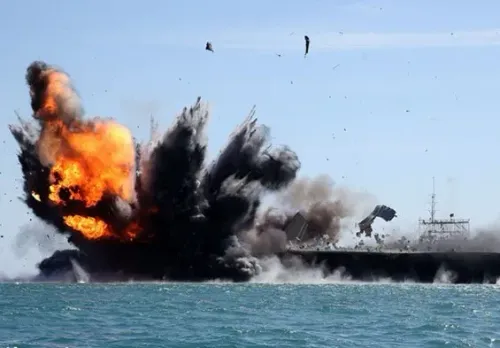
CENTCOM said strikes hit air defence systems , command-and-control networks , coastal radar sites , anti-ship missile systems , and more than 60 small boats of Iran's IRGC .
The latest wave followed an earlier round of more than 80 US strikes and was reportedly broader in scope.
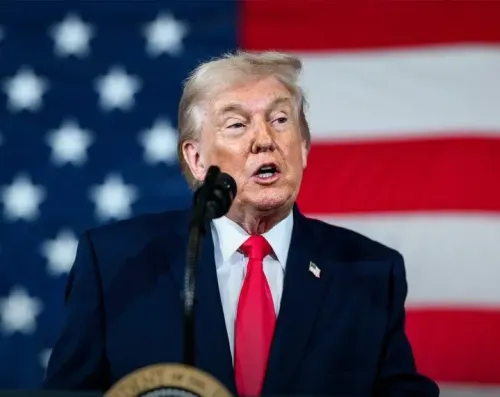
President Trump warned: 'If it happens again, it will get much worse!' while also saying Iran had reached out seeking a deal.
Washington simultaneously revoked a licence allowing Iran to sell oil on international markets, escalating economic pressure.
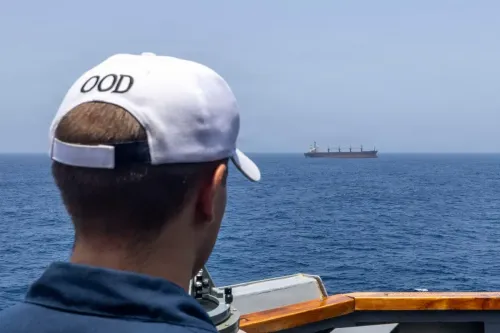
The Strait of Hormuz carries roughly one-fifth of globally traded oil, with potential disruptions affecting importers including India .
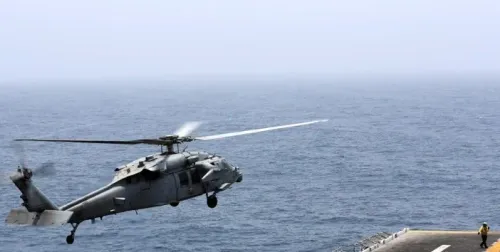
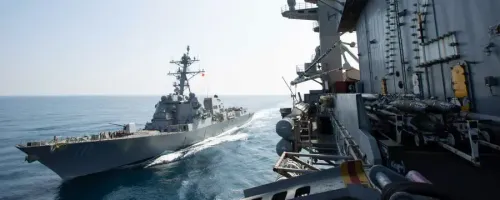
The United States launched a second consecutive day of military strikes against Iran on 9 July, targeting Iranian assets linked to threats against commercial shipping in the Strait of Hormuz. US Central Command (CENTCOM) said the operation was directed by President Donald Trump and aimed at further degrading Tehran's ability to disrupt freedom of navigation in one of the world's most critical energy corridors.
What CENTCOM Said
US Central Command confirmed the strikes in an official statement: 'At the direction of the Commander in Chief, US Central Command forces have started conducting additional strikes against Iran to further degrade their ability to threaten freedom of navigation in the Strait of Hormuz.'
CENTCOM added that 'the United States is holding Iran accountable for recent unjustified aggression against commercial shipping and civilian crews freely navigating a vital international waterway.'
Trump's Warning and Iran's Outreach
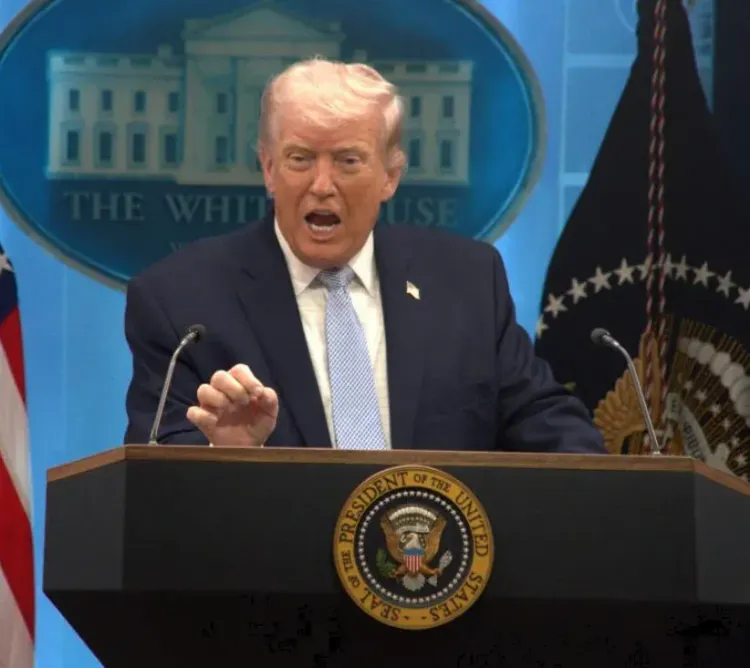
Speaking aboard Air Force One while returning to Washington from the NATO summit, Trump said Iran had reached out to the United States. 'They want to make a deal so badly,' he said. 'I don't know that they're going to honour the deal.'
In a social media post, Trump issued a blunt warning: 'If it happens again, it will get much worse!' Earlier in the day, he said the US had struck Iran 'very hard last night' and would 'probably hit them hard again tonight,' adding: 'They hit a couple of ships, and so we hit them much harder. ... We use their language. We speak their language.'
Trump also declared that he believed the fragile ceasefire with Iran was effectively over.
Scale and Targets of the Strikes
According to The Washington Post, citing CENTCOM, the operation targeted air defence systems, command-and-control networks, coastal radar sites, anti-ship missile systems, and more than 60 small boats associated with Iran's Islamic Revolutionary Guard Corps (IRGC). The Wall Street Journal, citing a senior US official, reported that targets also included missile and drone storage areas around the Persian Gulf.
The latest wave followed an earlier round of more than 80 US strikes against Iranian-linked military targets near the Strait of Hormuz and was reportedly broader in scope than the previous day's operation. Iranian state media, according to The New York Times, reported explosions in several locations in southern Iran, including areas around Bandar Abbas, Sirik, and Chabahar.
Economic Pressure and the Oil Licence
The renewed military action came a day after Washington revoked a licence that had previously allowed Iran to sell oil on international markets — removing a key economic incentive under the interim understanding between the two countries. The move signals a coordinated escalation on both military and economic fronts.
Why the Strait of Hormuz Matters
The Strait of Hormuz carries approximately one-fifth of the world's traded oil and is critical to global energy security. Any sustained disruption to shipping through the narrow waterway can swiftly affect crude prices, freight costs, and energy supplies — including for major importers such as India. This is the second consecutive day of US military action in the region, marking a sharp escalation in the standoff over maritime security in the Persian Gulf.
Point of View
Paired with a public threat of escalation, is a negotiating posture as much as a military one. The risk is miscalculation: two consecutive days of strikes against IRGC assets, with targets expanding in scope, narrow the space for Tehran to de-escalate without appearing to capitulate domestically. For India, which imports heavily through the Strait of Hormuz, the energy-security exposure is immediate and real — yet New Delhi has so far stayed publicly silent, a silence that may become harder to sustain if crude prices spike.
NationPress
9 Jul 2026
Frequently Asked Questions
Why did the US launch strikes against Iran on 9 July?
The US launched strikes to degrade Iran's ability to threaten commercial shipping in the Strait of Hormuz, following what Washington described as recent Iranian attacks on commercial vessels in the waterway. CENTCOM said the operation was directed by President Trump and held Iran accountable for 'unjustified aggression against commercial shipping.'
What targets did the US military hit inside Iran?
According to The Washington Post, citing CENTCOM, targets included air defence systems, command-and-control networks, coastal radar sites, anti-ship missile systems, and more than 60 small boats linked to Iran's Islamic Revolutionary Guard Corps. The Wall Street Journal reported that missile and drone storage areas around the Persian Gulf were also struck.
What did Trump say about a possible deal with Iran?
Speaking aboard Air Force One, Trump said Iran had contacted the United States and that 'they want to make a deal so badly,' but added 'I don't know that they're going to honour the deal.' He simultaneously warned that further Iranian attacks on shipping would invite a significantly stronger US response.
Why does the Strait of Hormuz matter to India?
The Strait of Hormuz carries roughly one-fifth of the world's traded oil. India is one of the world's largest crude importers and relies heavily on energy flows through the waterway, meaning any sustained disruption could affect crude prices, freight costs, and domestic fuel supply.
What economic measures did Washington take alongside the strikes?
A day before the latest strikes, Washington revoked a licence that had allowed Iran to sell oil on international markets — removing a key economic incentive under the interim understanding between the two countries. The move signals a coordinated escalation on both military and economic fronts.