IMF says Argentina making steady progress on inflation, reserves
Synopsis
The IMF has given Argentina a cautious but clear endorsement — growth is holding, inflation is falling, and sovereign spreads have dropped below 450 basis points. As the Fund's largest borrower, Argentina's reform trajectory is being watched globally, and the IMF's public confidence in repayments is itself a market signal.
Key Takeaways
The IMF on 25 June said Argentina is making 'important progress' in restoring macroeconomic stability.
Argentina's sovereign spreads have narrowed to below 450 basis points , aided by upgrades from two credit rating agencies .
The IMF expressed full confidence that Argentina will continue to meet all repayment obligations to the Fund.
Cooperation with the World Bank and Inter-American Development Bank was welcomed as a catalyst for investor confidence.
Labour formalisation reforms are in place but the IMF cautioned that their effects 'take time to emerge.' Argentina remains the IMF's largest borrower under existing financing arrangements.
The International Monetary Fund (IMF) on Thursday, 25 June said Argentina has continued to make 'important progress' in restoring macroeconomic stability, with growth holding up, inflation declining, international reserves rebuilding, and financing conditions improving. The Fund also expressed confidence that Argentina will continue to meet its repayment obligations.
IMF's Assessment of Argentina's Recovery
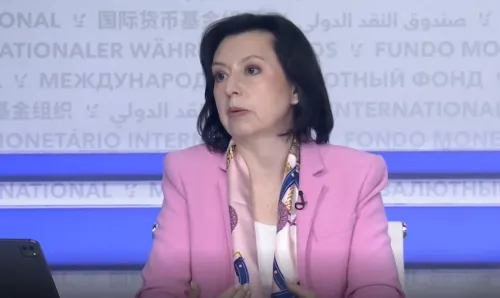
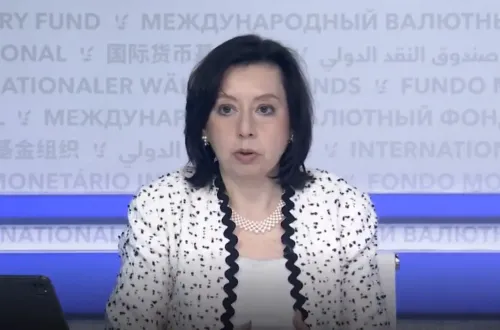
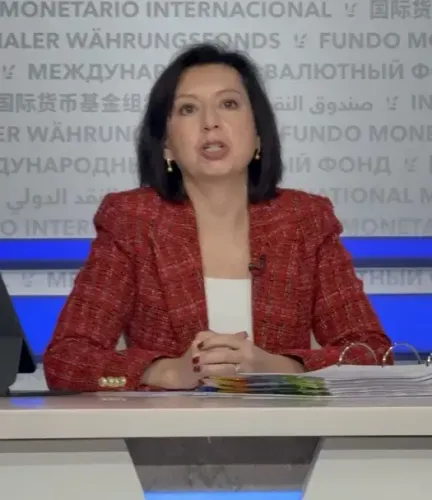
Julie Kozack, Director of the IMF's Communications Department, made the remarks at a regular press briefing in Washington. 'I just want to continue to recognise that Argentina is continuing to make important progress in restoring macroeconomic stability, in strengthening the country's economic resilience, and creating a more open and efficient economy,' Kozack said.
She added that growth had continued, inflation was falling, international reserves were being rebuilt, and financing conditions had improved — a cluster of indicators that signal a meaningful, if still fragile, turnaround for Latin America's third-largest economy.
Sovereign Spreads Narrow, Market Sentiment Improves
On Argentina's access to international capital markets, Kozack noted that conditions had 'improved considerably.' Sovereign spreads have narrowed significantly and now stand below 450 basis points — a level that reflects growing investor confidence after years of crisis-era volatility.
She attributed the improvement to upgrades by two credit rating agencies as well as the Argentine authorities' own policy efforts. However, Kozack was careful to note that 'decisions regarding the timing and the terms of market access are ultimately decisions to be made by the authorities,' signalling that the IMF does not intend to dictate the pace of Argentina's return to market borrowing.
Role of Multilateral Institutions
The IMF welcomed cooperation with the World Bank and the Inter-American Development Bank (IDB), saying support from multilateral development banks could play a 'catalytic role' in reinforcing investor confidence and facilitating 'a gradual and sustainable return to market financing.'
Kozack said such institutional backing could strengthen external resilience and improve financing conditions — a signal that the IMF views coordinated multilateral support as a key pillar of Argentina's stabilisation strategy.
Labour Reforms and Formalisation
On labour market reforms, Kozack acknowledged that encouraging greater formal employment was one of the programme's objectives, but cautioned that results would take time. 'Formalisation depends on a number of different factors. It includes not only macroeconomic outcomes, but also the tax and the regulatory structure, which include rigidities in the labour market,' she said.
She noted that recently enacted labour reforms were still new and that 'the effects of these kinds of reforms take time to emerge' — a measured expectation-setting that underscores the long road ahead for Argentina's structural transformation.
IMF Confident on Repayments
Dismissing concerns about Argentina's ability to repay IMF loans, Kozack was unequivocal: 'Argentina has made all of its payments to the Fund, and we are confident that they will continue to do so. We don't have any concerns there.'
Argentina remains the IMF's largest borrower under existing financing arrangements and has been implementing sweeping reforms aimed at reducing inflation, restoring fiscal discipline, and rebuilding investor confidence. The trajectory, according to the Fund, is moving in the right direction — though the durability of that progress will depend on sustained policy commitment in the months ahead.
Point of View
Not just institutional spin — but the underlying reform programme is still young, and labour formalisation, which is the real test of inclusive recovery, remains unmeasured. The IMF's careful language — 'decisions on market access rest with the authorities' — also hints at a deliberate effort to avoid being seen as driving Argentina's borrowing calendar, a politically sensitive point in Buenos Aires. The story here is not just stabilisation; it is whether Argentina can sustain reforms through the political cycle.
NationPress
24 Sept 2026
Frequently Asked Questions
What did the IMF say about Argentina's economic progress?
The IMF said on 25 June that Argentina has continued to make 'important progress' in restoring macroeconomic stability, with growth continuing, inflation falling, international reserves rebuilding, and financing conditions improving. IMF Communications Director Julie Kozack made the remarks at a regular press briefing in Washington.
What is Argentina's current sovereign spread level?
Argentina's sovereign spreads have narrowed significantly and now stand below 450 basis points, according to the IMF. The improvement was attributed to upgrades by two credit rating agencies and the Argentine government's own policy efforts.
Is the IMF confident Argentina will repay its loans?
Yes. The IMF stated clearly that Argentina has made all of its payments to the Fund and expressed confidence that it will continue to do so. Argentina is currently the IMF's largest borrower under existing financing arrangements.
What role are the World Bank and Inter-American Development Bank playing?
The IMF welcomed support from the World Bank and the Inter-American Development Bank, saying multilateral development banks can play a 'catalytic role' in reinforcing investor confidence and facilitating Argentina's gradual and sustainable return to market financing.
How are Argentina's labour market reforms progressing?
The IMF said encouraging greater formal employment is one of the programme's objectives, but cautioned that the recently enacted labour reforms are still new and that their effects 'take time to emerge.' Formalisation depends on macroeconomic conditions as well as tax and regulatory structures.