India-Fiji 4th Joint Working Group on Health strengthens pharma, public health ties
Synopsis
India and Fiji's fourth health JWG meeting on 14 October doubled down on pharmaceutical and communicable disease cooperation — while on the ground, a Jaipur Foot Camp at Suva's Twomey Hospital is set to restore mobility to 650 amputees. Together, they reveal how India is quietly building one of its most tangible soft-power footprints in the Pacific.
Key Takeaways
India and Fiji held the 4th Joint Working Group on Health virtually on 14 October 2026 .
Discussions covered public health , communicable diseases including HIV/AIDS , and drugs and pharmaceutical products .
Key participants included High Commissioner Suneet Mehta , Luisa Cikamatana (Fiji), and Geetu Joshi (India's Ministry of Health).
A Jaipur Foot Camp was inaugurated on 12 October 2026 at Twomey Hospital, Tamavua , targeting 650 amputees across Suva, Nadi and Labasa .
The camp is a joint initiative of the Indian High Commission , Fiji's Ministry of Health , and BMVSS , India.
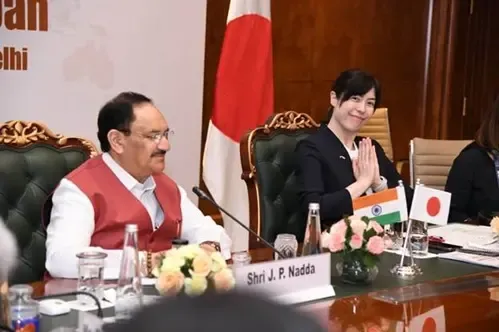
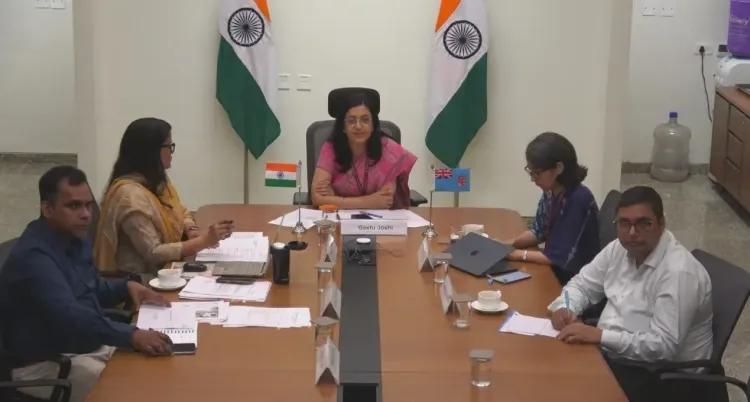
India and Fiji held the fourth Joint Working Group (JWG) on Health on 14 October 2026, with both sides reaffirming their commitment to deepening bilateral cooperation in public health, communicable diseases including HIV/AIDS, and drugs and pharmaceutical products. The virtual meeting brought together senior health officials from both nations, signalling a sustained diplomatic focus on people-centred partnerships in the Pacific.
Key Officials and Discussions
India's High Commissioner to Fiji Suneet Mehta, Fiji's Acting Permanent Secretary for Health and Medical Services Luisa Cikamatana, and Economic Adviser at India's Ministry of Health and Family Welfare Geetu Joshi participated in the virtual session. Discussions centred on exchanging perspectives on key health priorities and exploring avenues for enhanced collaboration across the two countries.
According to the Indian High Commission in Fiji, the meeting provided 'an opportunity to exchange perspectives on key health priorities and explore avenues for enhanced collaboration, reaffirming both countries' commitment to strengthening bilateral health cooperation for the benefit of their peoples.'
Jaipur Foot Camp: Restoring Mobility for 650 Amputees
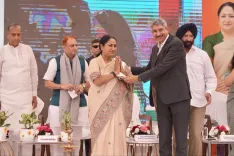
In a closely related development on 12 October 2026, Fiji's Minister for Health and Medical Services Ratu Atonio Rabici Lalabalavu inaugurated a Jaipur Foot Camp at Twomey Hospital in Tamavua, Suva. The camp is expected to provide artificial limbs to approximately 650 amputees across Suva, Nadi, and Labasa.
The initiative is a joint effort by the High Commission of India in Fiji, Fiji's Ministry of Health and Medical Services, and Bhagwan Mahaveer Viklang Sahayata Samiti (BMVSS), an Indian non-profit long recognised for delivering low-cost prosthetics to underserved communities worldwide. Minister Lalabalavu personally handed over prosthetic limbs to persons with disabilities during the inauguration and toured the limb-fitting facilities at the camp.
Broader Context: India-Fiji Health Diplomacy
The JWG on Health is a formal bilateral mechanism, now in its fourth edition, underscoring the depth of India-Fiji engagement beyond trade and diplomacy. India's pharmaceutical sector — the world's third-largest by volume — has long positioned the country as a preferred health partner for smaller Pacific island nations seeking affordable medicines and medical support.
This comes amid India's broader push to deepen ties with Pacific nations as part of its 'Act Pacific' diplomatic outreach, with health and humanitarian assistance serving as key soft-power instruments. The Jaipur Foot programme, in particular, has been deployed across more than 26 countries globally, making it a recognisable symbol of Indian grassroots health diplomacy.
What Comes Next
Both governments are expected to follow up the JWG discussions with concrete proposals on pharmaceutical supply chains and communicable disease surveillance, though no specific timelines were announced. The success of the Jaipur Foot Camp in reaching all three target cities — Suva, Nadi, and Labasa — will be closely watched as a measure of on-ground delivery against diplomatic commitments.
Point of View
But the simultaneous Jaipur Foot Camp tells a sharper story: India's most durable diplomatic currency in the Pacific is not trade volumes or defence agreements — it is the delivery of tangible health outcomes to ordinary citizens. BMVSS has fitted limbs in over 26 countries, and every camp is a quiet assertion of India's soft-power model. The real question is whether pharmaceutical cooperation at the JWG level will translate into medicine supply chains that Pacific island nations can rely on — or remain a talking-point in joint statements. Health diplomacy works best when the paperwork and the prosthetics arrive together.
NationPress
14 Oct 2026
Frequently Asked Questions
What was discussed at the 4th India-Fiji Joint Working Group on Health?
The 4th India-Fiji JWG on Health, held virtually on 14 October 2026, focused on strengthening cooperation in public health, communicable diseases including HIV/AIDS, and drugs and pharmaceutical products. Both sides reaffirmed their commitment to bilateral health cooperation for the benefit of their peoples.
Who represented India and Fiji at the JWG health meeting?
India was represented by High Commissioner Suneet Mehta and Economic Adviser Geetu Joshi from the Ministry of Health and Family Welfare. Fiji was represented by Acting Permanent Secretary for Health and Medical Services Luisa Cikamatana.
What is the Jaipur Foot Camp inaugurated in Fiji?
The Jaipur Foot Camp, inaugurated on 12 October 2026 at Twomey Hospital in Tamavua, Suva, is a joint initiative of the Indian High Commission, Fiji's Ministry of Health, and BMVSS India. It aims to provide artificial limbs to approximately 650 amputees across Suva, Nadi, and Labasa.
What is BMVSS and what role does it play in the Jaipur Foot Camp?
Bhagwan Mahaveer Viklang Sahayata Samiti (BMVSS) is an Indian non-profit organisation that manufactures and distributes low-cost prosthetic limbs globally. It is the primary implementing partner for Jaipur Foot Camps, which have been held in over 26 countries.
Why is the India-Fiji health partnership significant?
The JWG on Health is a formal bilateral mechanism now in its fourth edition, reflecting India's broader 'Act Pacific' diplomatic outreach. India's pharmaceutical sector and humanitarian health programmes like Jaipur Foot serve as key soft-power instruments in the Pacific region.