Jaishankar, Germany FM discuss Ukraine conflict and Strait of Hormuz
Synopsis
India’s top diplomat held back-to-back calls with the foreign ministers of Ukraine and Germany — covering the Black Sea shipping crisis, global food security risks, and the Strait of Hormuz — signalling a notable uptick in New Delhi’s engagement on the war’s maritime dimensions, even as India’s formal position on the conflict itself remains unchanged.
Key Takeaways
Jaishankar spoke with German FM Johann Wadephul on 27 August , covering the Ukraine conflict and Strait of Hormuz situation.
A day earlier, Ukrainian FM Andrii Sybiha briefed Jaishankar on escalating Black Sea attacks on ports, shipping, and energy pipelines.
Sybiha warned that Russian disruption of Ukrainian food exports poses a direct threat to global food security and millions of families worldwide.
Jaishankar reaffirmed India’s stance as a ‘steadfast advocate of dialogue and diplomacy’ and called for resumption of commerce in the Black Sea.
India and Ukraine also discussed advancing bilateral cooperation , with both sides agreeing to remain in close contact.
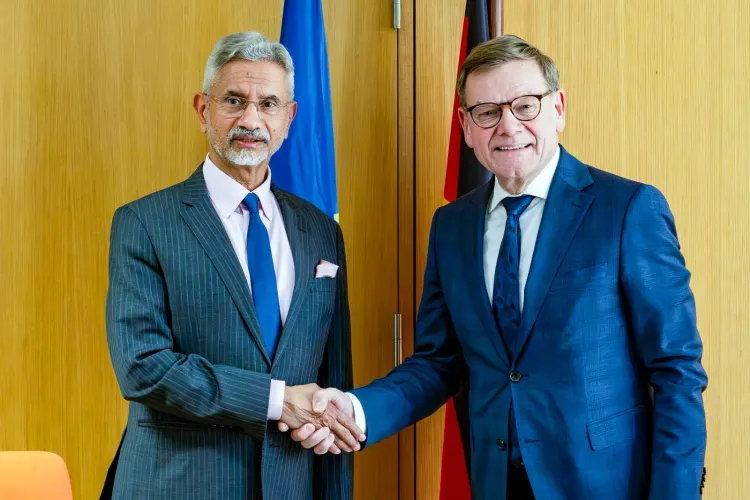
External Affairs Minister S. Jaishankar on Thursday, 27 August held a telephone conversation with Johann Wadephul, Federal Minister for Foreign Affairs of Germany, covering the ongoing Ukraine conflict, its global ramifications, and the deteriorating security situation around the Strait of Hormuz. The exchange reflects India's intensifying diplomatic engagement on two of the world's most consequential maritime flashpoints.
Key Developments
“A useful conversation with FM Johann Wadephul of Germany. Exchanged views on the Ukraine conflict and its global impact. Also discussed the Strait of Hormuz situation,” Jaishankar stated in a post on X.
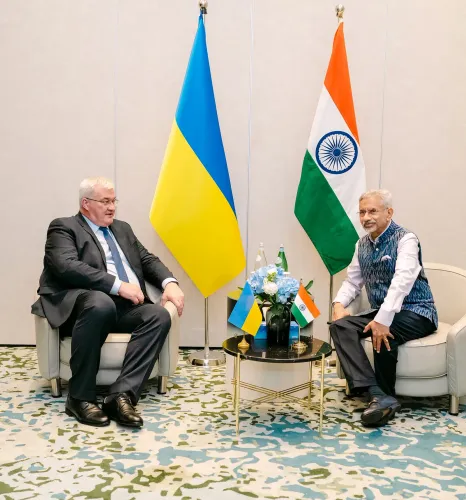
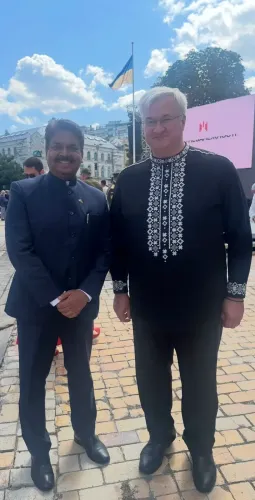
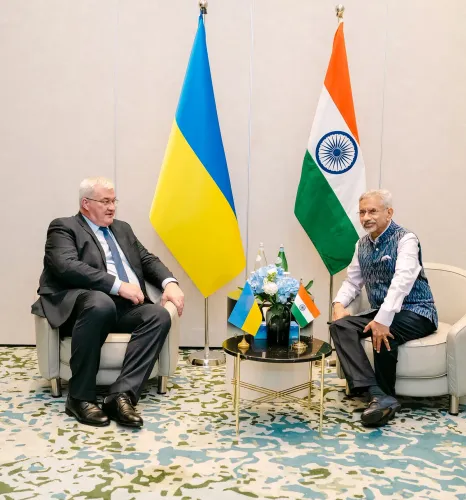
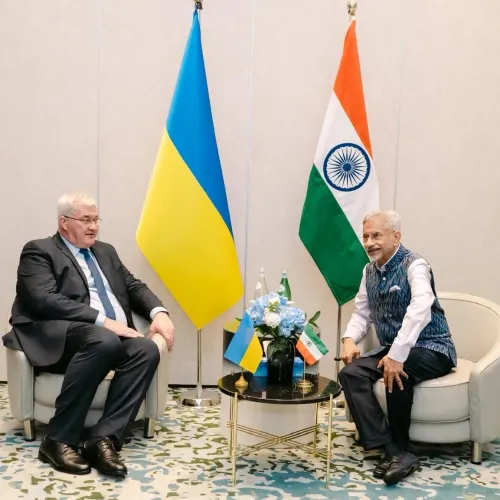
The call with Wadephul came a day after Jaishankar spoke with Ukrainian Foreign Minister Andrii Sybiha on Wednesday, 26 August, who briefed him on the escalating crisis in the Black Sea and efforts to restore freedom of navigation in the region.
Black Sea Under Siege
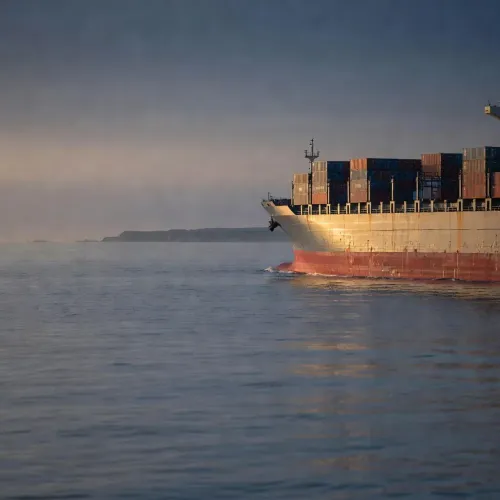
The Black Sea has emerged as a highly volatile economic and military chokepoint, with both Russia and Ukraine launching intensive daily strikes on each other’s commercial shipping, port infrastructure, and energy pipelines. Sybiha, in his own post on X, described the situation as a direct consequence of Russian aggression.
“I had a phone call with India’s External Affairs Minister S. Jaishankar. I briefed him on the difficult situation in the Black Sea as a result of Russian aggression against Ukraine and intensified attacks on our ports and maritime routes,” Sybiha said.
He further underscored that the disruption to Ukrainian food exports carries consequences far beyond the region. “Russia’s attempts to disrupt Ukrainian food exports pose a direct threat to global food security, reaching far beyond our region and putting millions of families worldwide at risk,” Sybiha added.
India’s Position: Dialogue and Diplomacy
Jaishankar reaffirmed India’s consistent stance following the conversation with Sybiha. “Appreciate the conversation this evening with Ukraine FM Andrii Sybiha. Our discussion focused on the resumption of commerce in the Black Sea, ensuring the safety and security of all seafarers and commercial shipping. India remains a steadfast advocate of dialogue and diplomacy,” he stated on X.
Notably, India has maintained a careful balancing act throughout the Ukraine conflict — abstaining on key UN votes while keeping open channels with both Kyiv and Moscow. These back-to-back calls with Kyiv and Berlin signal a stepped-up Indian engagement at a moment when the maritime dimension of the war is drawing fresh global attention.
Bilateral Cooperation and Next Steps
Beyond the immediate crisis, Sybiha said both sides discussed the development of Ukraine–India bilateral cooperation and ways to advance their “mutually beneficial agenda.” The two ministers agreed to remain in close touch and coordinated upcoming contacts.
With the Strait of Hormuz — through which roughly 20% of global oil trade passes — also under discussion with Germany, India’s diplomatic outreach reflects the country’s acute sensitivity to any disruption in global energy and food supply chains. Both theatres directly affect Indian import bills and the food security of its 1.4 billion citizens.
Further ministerial-level contacts between India, Ukraine, and Germany are expected in the weeks ahead as pressure mounts for a negotiated path out of the conflict.
Point of View
And any prolonged disruption translates directly into domestic inflation and supply-chain pressure. Yet India’s balancing act — engaging Kyiv on maritime safety while avoiding explicit condemnation of Moscow — is becoming harder to sustain as the war’s economic fallout globalises. The question mainstream coverage underplays is whether India’s ‘dialogue and diplomacy’ formulation carries any operational weight, or whether it remains a rhetorical shield that satisfies no one and influences nothing.
NationPress
27 Aug 2026
Frequently Asked Questions
What did Jaishankar and Germany FM Wadephul discuss?
External Affairs Minister S. Jaishankar and German Foreign Minister Johann Wadephul spoke on 27 August about the Ukraine conflict and its global impact, as well as the security situation around the Strait of Hormuz. The call is part of India’s broader diplomatic engagement on the war’s international consequences.
What did Ukraine FM Sybiha tell Jaishankar about the Black Sea?
Ukrainian Foreign Minister Andrii Sybiha briefed Jaishankar on intensified Russian attacks on Ukrainian ports, maritime routes, and energy pipelines in the Black Sea. He warned that disruption to Ukrainian food exports poses a direct threat to global food security, affecting millions of families worldwide.
What is India’s official position on the Ukraine conflict?
India has consistently called for dialogue and diplomacy to resolve the Ukraine conflict. Jaishankar reiterated that India is a ‘steadfast advocate of dialogue and diplomacy’ and focused on ensuring the safety of seafarers and resuming commerce in the Black Sea.
Why does the Strait of Hormuz matter to India?
The Strait of Hormuz is one of the world’s most critical oil transit chokepoints, through which a significant share of India’s energy imports pass. Any disruption there directly affects India’s import costs and energy security, making it a key concern for New Delhi.
What are the next steps in India–Ukraine diplomatic engagement?
Both Jaishankar and Sybiha agreed to coordinate upcoming contacts and remain in close touch. The two sides also discussed advancing bilateral cooperation on a mutually beneficial agenda, with further ministerial-level engagement expected in the coming weeks.