India, ASEAN agree to boost disaster early warning systems at Manila summit
Synopsis
At the 23rd ASEAN-India Summit in Manila, India and ASEAN signed a landmark disaster management pact committing to real-time satellite data sharing, joint military HADR drills, and coordinated early warning systems for earthquakes, tsunamis, and floods — a concrete institutional step under India's Act East policy that moves beyond trade into life-saving infrastructure cooperation.
Key Takeaways
India and ASEAN adopted a Joint Statement on Disaster Preparedness and Management at the 23rd ASEAN-India Summit in Manila on 17 November 2026 .
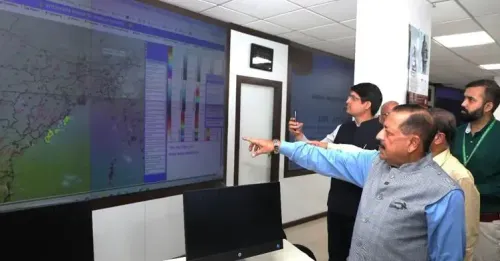
Both sides agreed to cooperate on early warning systems for earthquakes, tsunamis, floods, cyclones, and landslides through voluntary sharing of satellite data, seismic monitoring, and meteorological forecasts .
India's NDMA will strengthen regular consultations with the ACDM and the AHA Centre to ensure complementary disaster management mechanisms.
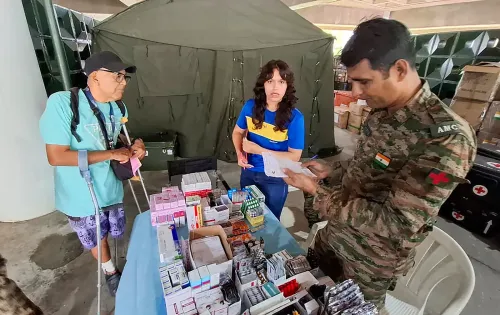
Both sides committed to joint training exercises, simulation drills , and rapid deployment of HADR upon request of affected states.
Cooperation will also cover women, youth, older persons, and persons with disabilities in disaster preparedness and recovery efforts.
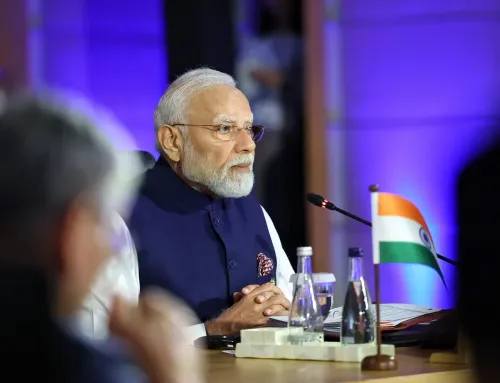
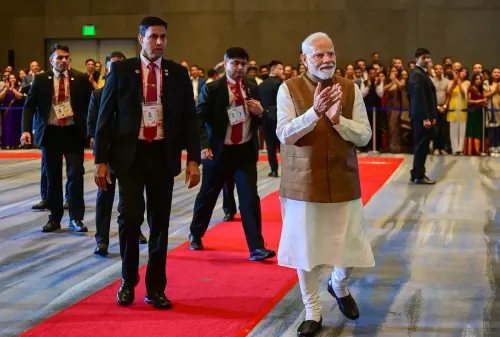
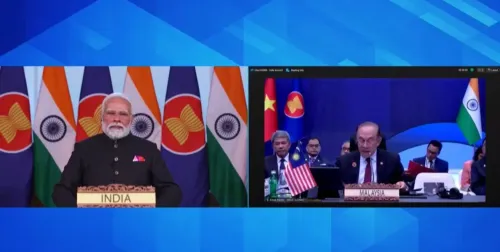
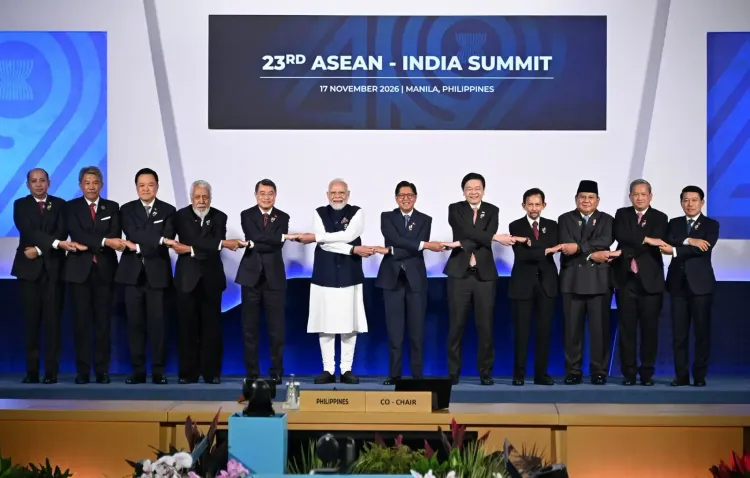
Prime Minister Narendra Modi and ASEAN Secretary-General Kao Kim Hourn participated in the summit.
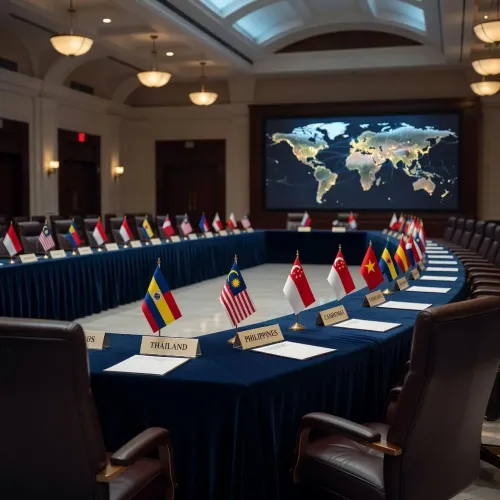
India and the member states of the Association of Southeast Asian Nations (ASEAN) on Tuesday, 17 November 2026, agreed to deepen cooperation on early warning systems covering earthquakes, tsunamis, floods, cyclones, and landslides, including through the voluntary sharing of satellite data, seismic monitoring information, and meteorological forecasts. The agreement was formalised through a Joint Statement on Disaster Preparedness and Management adopted at the 23rd ASEAN-India Summit in Manila, Philippines.
The summit was attended by leaders of ASEAN member states, Prime Minister Narendra Modi, and ASEAN Secretary-General Kao Kim Hourn.
Key Pillars of the Disaster Management Pact
Both sides reaffirmed their commitment to strengthening regional resilience and agreed to support the use of space-based data and applications, building on the ongoing ASEAN-India Space Cooperation framework, for disaster risk assessment, monitoring, and forecasting. They also agreed to strengthen regular consultations between the ASEAN Committee on Disaster Management (ACDM), the AHA Centre, and India's National Disaster Management Authority (NDMA) to ensure complementarity between their respective disaster management mechanisms.
The joint statement indicated that India and ASEAN agreed to explore modalities for regular consultations within existing ACDM mechanisms to review cooperation and identify priority areas for joint action.
Joint Training, Drills and Rapid Deployment
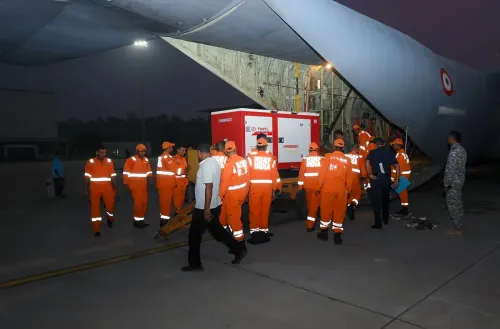
The two sides committed to strengthening joint preparedness through regular training exercises, simulation drills, and the exchange of disaster response personnel, including through joint exercises. Both parties also agreed to facilitate the rapid deployment of Humanitarian Assistance and Disaster Relief (HADR) upon request or with the consent of the affected member state, utilising existing mechanisms.
On the military dimension, India and ASEAN agreed to enhance cooperation between armed forces and civil defence agencies within the ADMM-Plus framework on humanitarian assistance and disaster relief — in accordance with their respective mandates and recognising the primary role of civilian authorities, with military assets treated as a last resort.
Inclusive Recovery and Sustainable Resilience
The joint statement emphasised sharing of experiences and best practices on post-disaster recovery and environmentally sustainable practices. Both sides agreed to support capacity building for people in vulnerable situations and promote the meaningful participation of women, youth, older persons, and persons with disabilities in disaster preparedness and recovery efforts.
The statement also called for promoting cooperation in advancing sustainable resilience, encompassing risk-informed governance, investment in resilient infrastructure, and science, technology, and innovation — all to be pursued in line with national laws and regulations.
Significance for India-ASEAN Relations
This comes amid India's broader 'Act East' policy push, which has consistently sought to deepen institutional linkages with Southeast Asian nations beyond trade. Disaster management cooperation, particularly involving satellite and space-based data sharing, represents a tangible deliverable that aligns with India's growing space capabilities and ASEAN's vulnerability to recurring natural disasters. Notably, the Indo-Pacific region accounts for a disproportionate share of global natural disaster casualties, making early warning infrastructure a high-stakes priority for all parties.
With the joint statement now adopted, the focus shifts to implementation — particularly whether the ACDM-NDMA consultation framework will translate into operationally effective, real-time data-sharing arrangements.
Point of View
Yet past ASEAN-India deliverables have often stalled at the 'explore modalities' stage. The inclusion of ADMM-Plus military cooperation and the explicit last-resort framing of military assets signals careful diplomatic calibration, but it also reflects the trust deficit that still governs India-ASEAN security cooperation. Watch whether space data sharing becomes a formal real-time protocol or remains aspirational.
NationPress
17 Nov 2026
Frequently Asked Questions
What was agreed between India and ASEAN on disaster management at the Manila summit?
India and ASEAN adopted a Joint Statement on Disaster Preparedness and Management at the 23rd ASEAN-India Summit in Manila on 17 November 2026. The agreement covers voluntary sharing of satellite data, seismic monitoring information, and meteorological forecasts to strengthen early warning systems for earthquakes, tsunamis, floods, cyclones, and landslides.
What is the role of India's NDMA in the ASEAN-India disaster cooperation framework?
India's National Disaster Management Authority (NDMA) will strengthen regular consultations with the ASEAN Committee on Disaster Management (ACDM) and the AHA Centre. The goal is to promote complementarity between India's and ASEAN's respective disaster management mechanisms and identify priority areas for joint action.
How will military forces be involved in ASEAN-India disaster relief?
Under the ADMM-Plus framework, India and ASEAN agreed to enhance cooperation between armed forces and civil defence agencies for Humanitarian Assistance and Disaster Relief (HADR). Military assets are explicitly designated as a last resort, with civilian authorities retaining the primary role.
How does space cooperation feature in the India-ASEAN disaster management pact?
Both sides agreed to support the use of space-based data and applications, building on the existing ASEAN-India Space Cooperation framework, for disaster risk assessment, monitoring, and forecasting. This leverages India's growing satellite capabilities for real-time regional disaster intelligence.
Who participated in the 23rd ASEAN-India Summit where this agreement was signed?
The 23rd ASEAN-India Summit in Manila was attended by leaders of ASEAN member states, Prime Minister Narendra Modi representing India, and ASEAN Secretary-General Kao Kim Hourn. The joint disaster management statement was among the key outcomes of the summit.