India at UN champions Kimberley Process to cut conflict diamond trade
Synopsis
India — the world's biggest buyer of rough diamonds at $10.48 billion last year — took the UN Security Council floor to argue that the Kimberley Process it chairs in 2026 is the most effective tool against conflict diamonds. The twist: India simultaneously warned that toughening compliance standards could inadvertently shut developing nations out of legitimate trade.
Key Takeaways
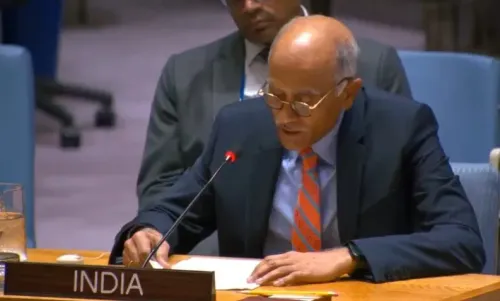
India's UN envoy P Harish spoke at an informal UN Security Council meeting on 19 November 2026 on natural resources and conflict.
India chairs the Kimberley Process in 2026 , a 86-country UN-backed body preventing conflict diamonds from entering supply chains.
India imported rough diamonds worth $10.48 billion and exported finished diamonds worth $12.16 billion in the last financial year.
Illicit diamond mining in conflict zones such as the Central African Republic and the Democratic Republic of the Congo funds armed groups, according to Harish.
India cautioned that compliance standards must not become 'disguised barriers to trade for developing countries.' India's District Mineral Foundations were cited as a model for directing mining revenues to affected local communities.
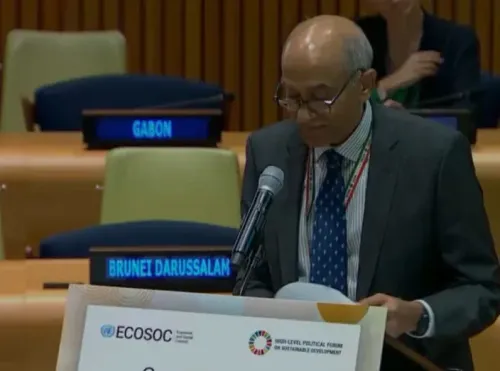
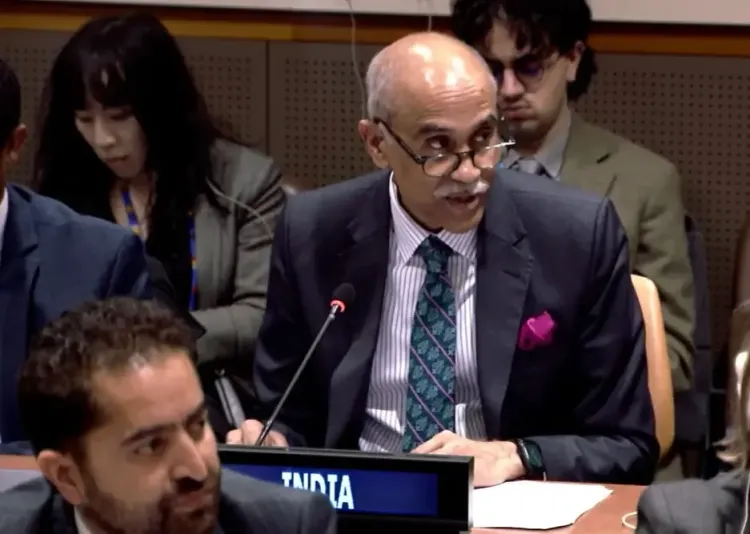
India's Permanent Representative to the United Nations, P Harish, on Wednesday, 19 November 2026, invoked the country's status as the world's largest importer of uncut diamonds to champion a tougher, more inclusive global framework against the illicit exploitation of natural resources by armed groups. Speaking at an informal UN Security Council meeting on 'Natural Resources and Conflict: Strengthening Cooperation for Prevention and Peace', Harish highlighted India's chairmanship of the Kimberley Process as a model for responsible resource governance.
India's Role in the Kimberley Process
'As Chair of the Kimberley Process in 2026, India is committed to strengthening its effectiveness and inclusiveness,' Harish said. The Kimberley Process is a multilateral arrangement backed by the United Nations and comprising 86 countries that rigorously works to keep illegally mined diamonds out of the global supply chain. 'By bringing together governments, industry and civil society, it has curbed the trade in conflict diamonds while keeping legitimate trade open,' he added.
The Scale of India's Diamond Trade
India's centrality to this debate is underpinned by hard numbers. In the last financial year, the country imported rough diamonds worth $10.48 billion and exported finished diamonds valued at $12.16 billion, making it the dominant node in the global diamond supply chain. This scale of involvement gives India both a commercial stake and a moral responsibility to ensure the integrity of that supply chain.
Conflict Diamonds and Financing Armed Groups
Harish underscored the direct link between illicit mineral exploitation and armed conflict. 'Illicit exploitation and trafficking, in specific situations, can finance armed groups and prolong conflict,' he said. Diamonds illegally mined in conflict zones such as the Central African Republic and the Democratic Republic of the Congo are routinely used by rebel factions to fund their operations — a pattern that the Kimberley Process was specifically designed to interrupt. The meeting was convened by Sierra Leone, which assumes the presidency of the Security Council next month and has itself experienced the devastating fallout of mineral-fuelled armed insurgencies.
Balancing Compliance With Trade Access
Harish issued a pointed caution against turning transparency norms into trade barriers for developing nations. 'Cooperation among producing, transit and consuming countries must reduce opportunities for illicit trade without penalising lawful commerce,' he said. While acknowledging the role of responsible supply chains and due diligence, he warned that 'standards should not become compliance burdens or disguised barriers to trade for developing countries.' He called for local value addition, technology partnerships and capacity-building to empower resource-rich nations of the Global South.
India's District Mineral Foundations as a Model
On ensuring that mining revenues reach local communities, Harish pointed to India's own legislative framework. 'In India, District Mineral Foundations, established under our mining law, direct contributions from mining operators to the welfare of communities and areas affected by mining,' he said. He added that arrangements involving local communities — including women and youth — make 'resource wealth visible in people's lives.' India appears to be positioning this domestic mechanism as a potential template for resource-rich developing countries seeking equitable mineral governance. As global attention on conflict financing through natural resources intensifies, India's dual role as a major market player and multilateral process chair puts it at the centre of shaping the next phase of international norms.
Point of View
It has obvious commercial skin in the game, but the chairmanship also hands New Delhi rare multilateral convening power on a supply-chain issue that intersects trade, development and conflict. The more revealing moment was the pushback against compliance overreach — a signal that India will resist attempts by Western consumers or NGOs to weaponise due-diligence rules against diamond-cutting industries in Surat and Jaipur. Mainstream coverage tends to frame this as a humanitarian story; the trade-protection dimension rarely surfaces. The District Mineral Foundations reference is also worth watching: India is quietly building a case for its own governance models as exportable templates for the Global South, a soft-power play that sits neatly within its G20 and South-South cooperation narratives.
NationPress
19 Nov 2026
Frequently Asked Questions
What is the Kimberley Process and why does India chair it in 2026?
The Kimberley Process is a multilateral certification scheme backed by the United Nations and comprising 86 countries, designed to prevent illegally mined 'conflict diamonds' from entering legitimate supply chains. India chairs it in 2026, a role that reflects its position as the world's largest importer of rough diamonds.
How large is India's diamond trade?
India imported rough diamonds worth $10.48 billion in the last financial year and exported finished diamonds valued at $12.16 billion, making it the dominant hub in the global diamond supply chain.
How do conflict diamonds fund armed groups?
Diamonds illegally mined in conflict zones — particularly the Central African Republic and the Democratic Republic of the Congo — are sold by armed rebel factions to generate revenue that sustains their military activities and prolongs civil conflicts, according to India's UN envoy P Harish.
What did India say about compliance standards and developing countries?
India cautioned that transparency and due-diligence requirements, while necessary, 'should not become compliance burdens or disguised barriers to trade for developing countries.' Harish called for capacity-building and technology partnerships to empower resource-rich nations of the Global South instead.
What are India's District Mineral Foundations?
District Mineral Foundations are bodies established under India's mining law that require mining operators to contribute to the welfare of communities and areas affected by mining operations. India's UN envoy cited them at the Security Council as a model for ensuring local communities receive an equitable share of mineral revenues.