Rajnath Singh, Belgium's Francken sign defence MoUs, industrial pacts in New Delhi
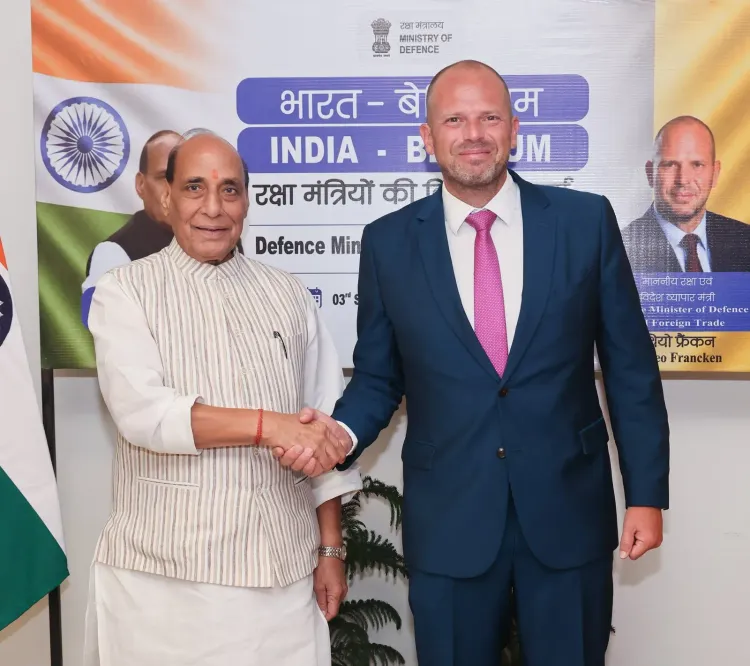
Synopsis
Belgium has put its defence industry where its diplomacy is — 15 companies, rocket production deals, and a BSDI-SIDM pact. The Francken-Singh meeting signals that India's Make in India framework is now attracting European defence capitals keen to hedge against both China's assertiveness and Russia's reach.
Key Takeaways
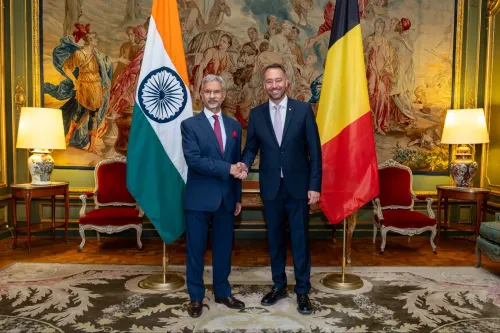
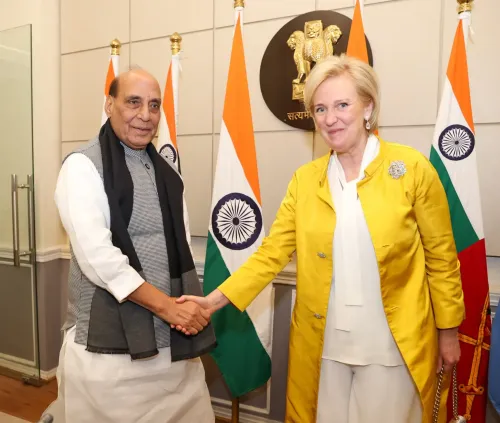
Defence Minister Rajnath Singh and Belgian Minister Theo Francken met in New Delhi on 3 September , signing multiple defence MoUs and contracts.
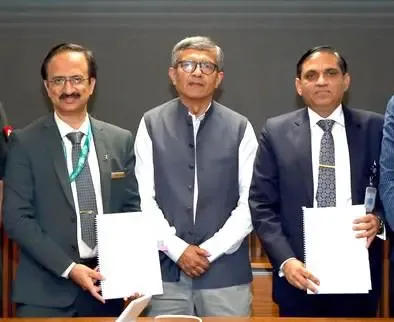
A cooperation agreement between BSDI and SIDM was signed to facilitate co-development under the Make in India initiative.
Agreements include the production of Belgian military technology, including rockets, in India .
Key focus areas include maritime security, counter-drone systems, radar, and autonomous maritime systems .
15 Belgian defence companies , most led by their CEOs, are part of the visiting delegation.
The Belgian Defence College plans to hold its World Study Trip in India in 2027 .
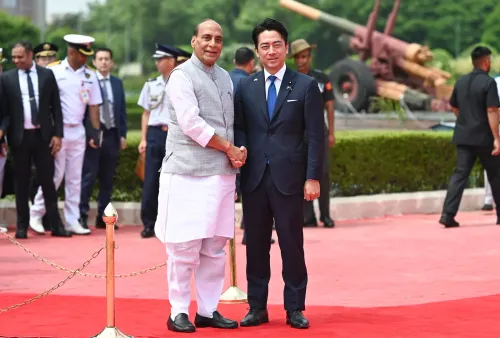
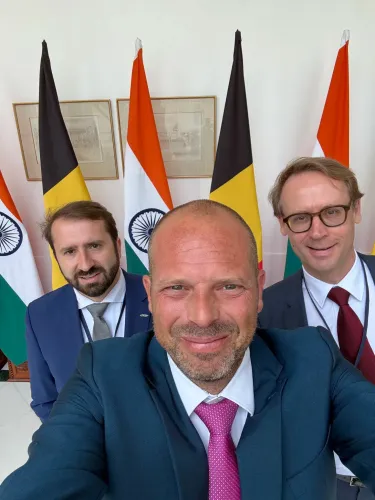
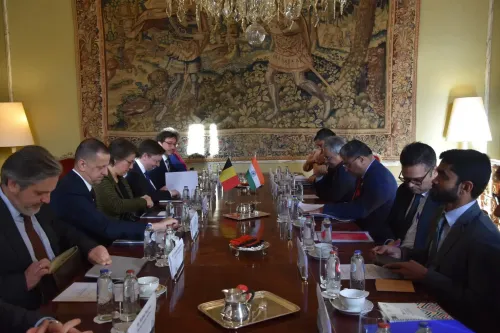
Defence Minister Rajnath Singh on Thursday, 3 September held high-level talks with Belgian Defence and Foreign Trade Minister Theo Francken in New Delhi, culminating in the signing of multiple Memoranda of Understanding (MoUs) and contracts aimed at deepening India-Belgium defence industrial cooperation. The meeting marks a concrete step in translating bilateral goodwill into joint manufacturing and technology-sharing arrangements.
What Was Agreed
Several key agreements were formalised during the visit, including a cooperation pact between the Belgian Security and Defence Industry (BSDI) and the Society of Indian Defence Manufacturers (SIDM). The accord is designed to make it easier for companies from both nations to participate in co-development projects under India's Make in India initiative. Notably, agreements covering the production of Belgian military technology — including rockets — in India were among those signed, according to the Belgian Defence Ministry.
Singh, posting on X after the meeting, said: "Had a very productive meeting with the Defence and Trade Minister of Belgium, Mr Theo Francken in New Delhi today. We reviewed the entire spectrum of Defence relations and Defence Industrial Cooperation between India and Belgium. Multiple MoUs and contracts under the Defence Industrial Cooperation were also signed, towards leveraging Belgian technology together with Indian skill and scale."
The Strategic Context
The talks come during an official visit to India by Belgian Prime Minister Bart de Wever and Minister Francken, with the mission explicitly framed around the growing linkage between European and Indo-Pacific security. Francken underscored the geostrategic rationale, stating: "India is a rapidly growing economy and a major military power in the Indo-Pacific. The country is also strategically located along some of the world's most important trade routes. For an open trading nation like Belgium, the security of these sea lanes is vital."
He also pointed to broader global dynamics driving the partnership: "Russia is waging war in Ukraine and is cooperating ever more closely with Iran and North Korea in the military sphere. China is becoming increasingly assertive in the Indo-Pacific. What happens in Asia has consequences for Europe. And vice versa."
Key Focus Areas
Maritime security emerges as a priority domain. India is looking to bolster capabilities in mine countermeasures, autonomous maritime systems, underwater robotics, advanced sensors, and the protection of critical infrastructure such as ports, pipelines, and subsea data cables — areas where Belgian industry holds recognised expertise. Both sides also identified opportunities in weapons systems, ammunition, radar, electro-optical sensors, command and control, and counter-drone systems.
As many as 15 Belgian defence companies — most represented by their chief executives — are part of the delegation, signalling the commercial weight behind the diplomatic visit.
Industrial Roadmap and Next Steps
India and Belgium intend to develop a formal industrial roadmap to structure future collaboration. The Belgian Defence College has also announced plans to organise its World Study Trip in India in 2027. Francken was direct about the ambition: "We have built trust. Now we need to translate that into concrete cooperation. Not non-binding declarations, but joint training, industrial projects and opportunities for our companies."
With the BSDI-SIDM framework now in place and a high-level political mandate from both sides, the next phase will test whether the agreements produce verifiable industrial output and jobs — in both countries.
Point of View
Making this one of the more geopolitically frank defence partnerships India has formalised recently. The real test will be whether the industrial roadmap produces actual co-production volumes or remains another declaration. India has signed dozens of such agreements; execution — particularly on technology transfer depth and domestic value addition — has historically lagged ambition.
NationPress
18 Oct 2026
Frequently Asked Questions
What agreements were signed between India and Belgium during the defence meeting?
Multiple MoUs and contracts under defence industrial cooperation were signed on 3 September in New Delhi, including a key pact between the Belgian Security and Defence Industry (BSDI) and the Society of Indian Defence Manufacturers (SIDM). Agreements also covered the production of Belgian military technology, including rockets, in India under the Make in India framework.
Why is Belgium deepening defence ties with India?
Belgian Minister Theo Francken cited the growing linkage between European and Indo-Pacific security, pointing to Russia's war in Ukraine, its military cooperation with Iran and North Korea, and China's increasing assertiveness in the Indo-Pacific. For Belgium, securing sea lanes critical to its trade and building industrial partnerships with a major military power like India is both a strategic and economic priority.
What sectors are the focus of India-Belgium defence industrial cooperation?
The cooperation focuses on maritime security — including mine countermeasures, autonomous maritime systems, underwater robotics, and advanced sensors — as well as weapons systems, ammunition, radar, electro-optical sensors, command and control, and counter-drone systems. Belgian industry has recognised expertise in all these domains.
How many Belgian companies are part of the delegation to India?
15 Belgian defence companies are part of the mission, with most represented by their chief executives, reflecting the significant commercial interest behind the diplomatic visit.
What are the next steps following the India-Belgium defence talks?
Both nations plan to develop a formal industrial roadmap for structured future collaboration. The Belgian Defence College has announced it will organise its World Study Trip in India in 2027, and the BSDI-SIDM agreement is expected to facilitate company-level co-development projects in the near term.