India-Bulgaria talks push for early India-EU FTA rollout at Foreign Office Consultations
Synopsis
India and Bulgaria jointly called for swift implementation of the India-EU Free Trade Agreement at bilateral Foreign Office Consultations on 1 October 2026 — the latest in a string of diplomatic signals from New Delhi as it works EU member states one by one to build momentum for a trade deal that has been years in the making.
Key Takeaways
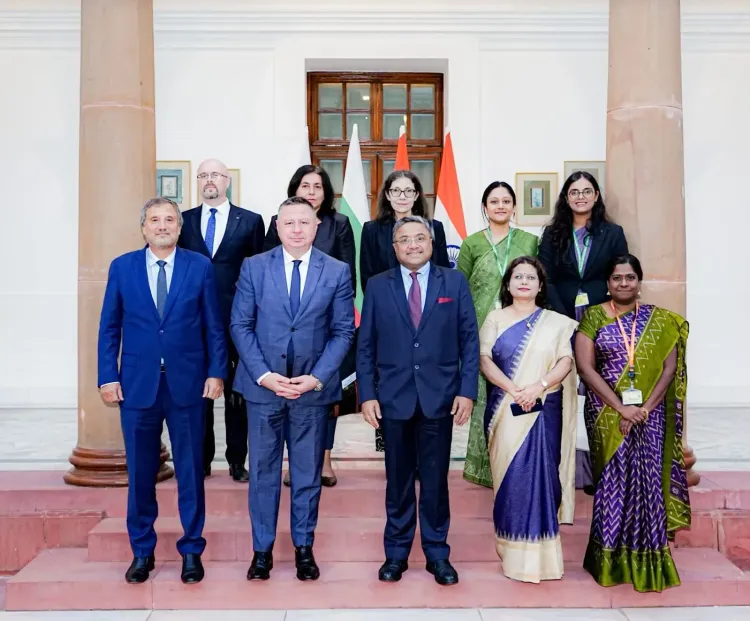
Sibi George (Secretary West, MEA) and Bulgaria's Deputy FM Christo Polendakov co-chaired the India-Bulgaria Foreign Office Consultations on 1 October 2026 .
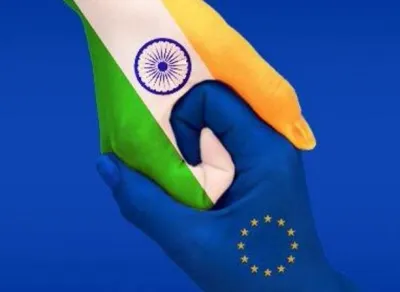
Both sides called for early implementation of the India-EU FTA , framing it as key to strengthening economic ties.
Talks covered trade, investment, AI, space, defence and people-to-people ties .
On 25 September , Sibi George also met EU Commissioner Apostolos Tzitzikostas at UNGA81 to discuss tourism, hospitality and transport cooperation.
At the same UNGA session, India welcomed the UN Declaration on Sea Level Rise and highlighted its efforts on coastal resilience and UNCLOS .
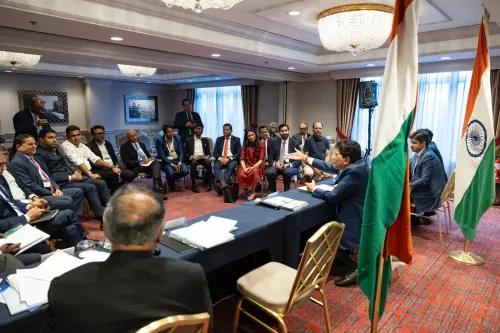
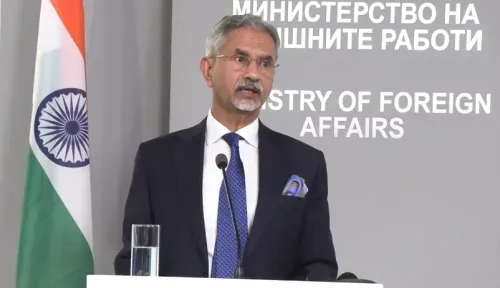
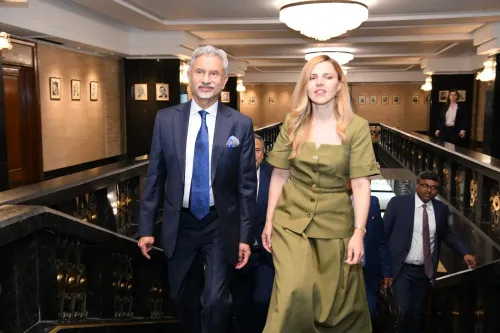
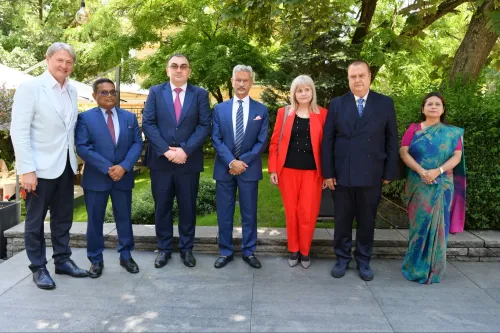
India's Secretary (West) at the Ministry of External Affairs (MEA), Sibi George, and Bulgaria's Deputy Minister of Foreign Affairs, Christo Polendakov, co-chaired the India-Bulgaria Foreign Office Consultations on 1 October 2026 in New Delhi, with both sides pressing for the swift implementation of the India-European Union (EU) Free Trade Agreement (FTA). The MEA confirmed the consultations via a post on X, describing them as a comprehensive review of bilateral ties.
Key Developments at the Consultations
'Both sides emphasised the early implementation of the India-EU FTA, which would contribute to further strengthening of economic ties. They also exchanged views on regional and global issues of mutual interest,' the MEA stated.
The discussions covered a broad range of bilateral domains, including political engagements, trade and investment, science and technology, artificial intelligence (AI), space, defence, and people-to-people ties. The push for an early rollout of the trade pact between India and the 27-nation EU bloc signals fresh momentum in an agreement that has been under negotiation for years.
India-EU Trade Cooperation: Broader Context
The India-Bulgaria talks come just days after a separate India-EU engagement on the sidelines of the 81st session of the United Nations General Assembly (UNGA) in New York on 25 September. At that meeting, Sibi George held discussions with EU Commissioner for Sustainable Transport and Tourism, Apostolos Tzitzikostas, exploring ways to deepen cooperation in the tourism, hospitality, and transport sectors as part of the broader India-EU partnership.
Notably, this cluster of high-level contacts underscores India's sustained diplomatic push to advance the India-EU FTA at multiple tracks simultaneously — both through bilateral EU member-state consultations and direct engagement with the European Commission. Bulgaria, a European Union member since 2007, holds relevance as a bridge between the EU's eastern flank and India's expanding trade and connectivity ambitions.
India at UNGA: Sea Level Rise and Coastal Resilience
Earlier at the UNGA81 High-Level Plenary Meeting on sea level rise, Sibi George welcomed the adoption of the United Nations Declaration on Sea Level Rise and spotlighted India's domestic efforts on coastal resilience, mangrove conservation, and disaster-resilient infrastructure.
He reaffirmed the importance of equity and the principle of Common But Differentiated Responsibilities and Respective Capabilities (CBDR-RC), while underscoring the significance of the United Nations Convention on the Law of the Sea (UNCLOS), stable maritime zones, and the continuity of statehood for island and coastal nations.
What Comes Next
The renewed emphasis on the India-EU FTA from multiple diplomatic fronts suggests that New Delhi is actively building political will across EU member states ahead of what could be a decisive phase in the trade negotiations. The outcome of these multilateral and bilateral engagements is expected to feed into the next formal round of India-EU FTA talks. Observers will watch whether this diplomatic momentum translates into a concrete timeline for concluding the agreement.
Point of View
And the bilateral track — engaging individual EU member states like Bulgaria — is a well-worn Indian diplomatic strategy to build a coalition of willing voices within the bloc. What stands out here is the simultaneity: New Delhi is running member-state consultations and Commissioner-level talks within the same week, suggesting a deliberate push to manufacture political momentum ahead of a likely concluding round. Bulgaria's support matters less for its trade volume with India and more for its vote and voice inside EU councils. The real question is whether this diplomatic choreography can overcome the structural disagreements — particularly on tariffs for automobiles, dairy, and wines — that have stalled the FTA repeatedly.
NationPress
2 Oct 2026
Frequently Asked Questions
What is the India-EU FTA and why does it matter?
The India-EU Free Trade Agreement is a comprehensive bilateral trade pact under negotiation between India and the 27-member European Union, aimed at significantly reducing tariffs and boosting market access in goods, services, and investment. It matters because the EU is one of India's largest trading partners, and a concluded deal could reshape supply chains across multiple sectors.
What was discussed at the India-Bulgaria Foreign Office Consultations on 1 October 2026?
India and Bulgaria reviewed the full spectrum of bilateral ties, including political engagements, trade and investment, science and technology, AI, space, defence, and people-to-people links. Both sides specifically called for early implementation of the India-EU FTA.
Who represented India and Bulgaria at the consultations?
India was represented by Secretary (West) at the MEA, Sibi George, while Bulgaria was represented by Deputy Minister of Foreign Affairs Christo Polendakov. The two officials co-chaired the talks.
What was India's position at the UNGA on sea level rise?
India welcomed the adoption of the UN Declaration on Sea Level Rise at the UNGA81 high-level plenary and highlighted its domestic work on coastal resilience, mangrove conservation, and disaster-resilient infrastructure. India also reaffirmed the importance of UNCLOS and the continuity of statehood for island and coastal nations.
What other India-EU engagements took place around this time?
On 25 September, Sibi George met EU Commissioner for Sustainable Transport and Tourism Apostolos Tzitzikostas on the sidelines of UNGA81 in New York, discussing cooperation in tourism, hospitality and transport as part of the broader India-EU partnership.