India-Canada security ties improving, Khalistan networks on fringe: Envoy
Synopsis
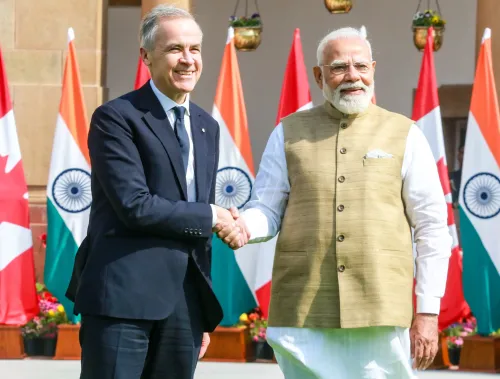
India's envoy to Canada says the two countries are now conducting joint security operations and sharing intelligence — a dramatic reversal from the near-breakdown triggered by the Nijjar affair. The shift, credited partly to PM Carney's engagement, comes as Minister Goyal leads one of the largest-ever Indian business delegations to Ottawa.
Key Takeaways
India's High Commissioner Dinesh K Patnaik confirmed that India-Canada security agencies are now conducting joint operations and exchanging intelligence.
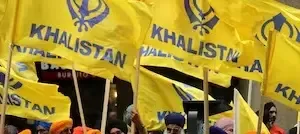
Pro-Khalistan networks have been 'marginalised' over the past six to seven months , with credit given to PM Mark Carney's administration.
Patnaik alleged many Khalistan-linked groups now operate as organised crime outfits involved in 'gun running, drug smuggling, people trafficking, extortion.' India revised its view that the Canadian establishment was institutionally backing the Khalistan movement, acknowledging the role of Canada's strong free-speech laws.
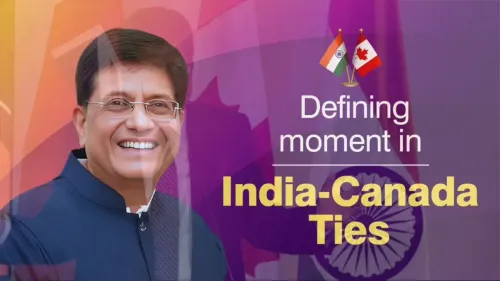
Commerce Minister Piyush Goyal is visiting Canada from 25–27 May with one of the largest-ever Indian business delegations.
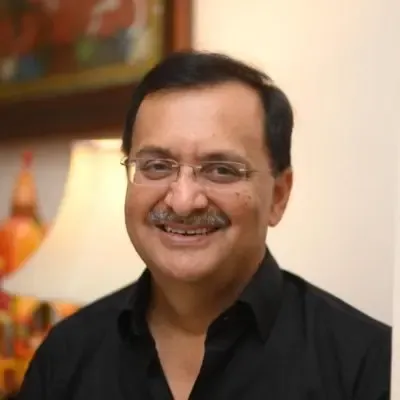
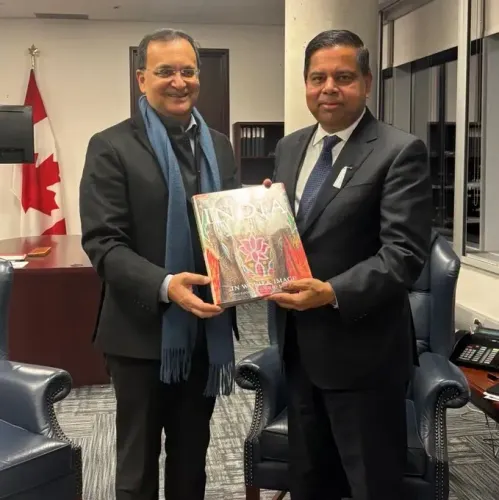
India's High Commissioner to Canada, Dinesh K Patnaik, has said that Canada is now actively taking India's security concerns seriously and acting against extremist and criminal networks linked to pro-Khalistan elements — a significant shift from the near-total breakdown in bilateral engagement that followed the Nijjar controversy. Patnaik made the remarks in a recent interview, ahead of Union Commerce and Industry Minister Piyush Goyal's visit to Canada from 25–27 May.
Security Cooperation Resumes After Years of Strain
Patnaik described a marked improvement in intelligence and law-enforcement engagement between the two countries. 'There is close cooperation in every sector, especially on security issues,' he said. 'Earlier, we were refusing to talk to each other. Right now we have a regular dialogue.'
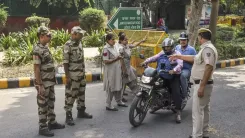
He noted that national security advisors from both sides had exchanged visits, while police forces and investigating agencies were now in active contact. 'Everybody is talking to each other, exchanging information, doing joint operations together — trying to make sure that both countries are safe for each other,' Patnaik said.
Khalistan Networks Pushed to the Fringe
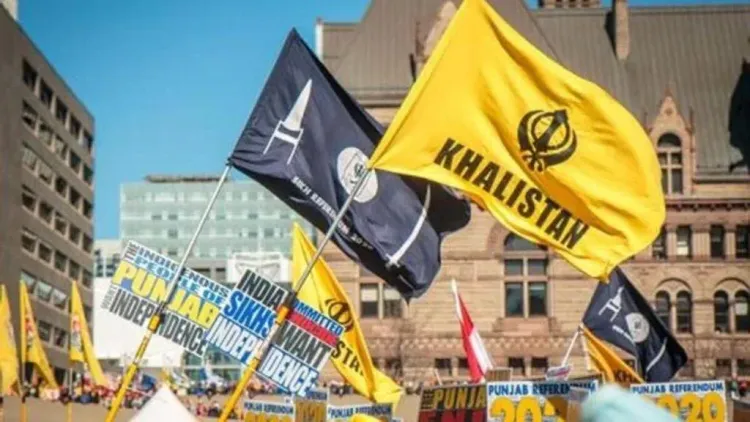
The envoy acknowledged that a small section of pro-Khalistan elements remained active in Canada but said their influence had been significantly curtailed. He credited Canadian Prime Minister Mark Carney's administration with helping marginalise these groups over the past six to seven months.
'What we have managed in the last six months or seven months to do, and thanks to the close assistance of the Canadian side, especially Prime Minister Carney, is to again put them on the fringe, marginalise them,' Patnaik said.
He further alleged that many such networks had shifted from ideological motivation to organised crime. 'They're making money out of it. It became a thing which is more of an economic activity than an ideological activity,' he said, pointing to alleged involvement in 'gun running, drug smuggling, people trafficking, extortion' and other criminal enterprises.
India's Understanding of Canada's Legal Constraints
Patnaik said India had developed a clearer understanding of why Canada had struggled to act sooner, citing the country's strong constitutional protections around free speech and assembly. 'The Indian side has an understanding that the Canadians were not actually systematically or institutionally supporting the Khalistan movement,' he said.
He added that the perception in India — that the Canadian establishment was actively backing the movement — had been revised. 'They're unable to put a stop to it because their freedom of expression, freedom of laws are so strong,' he said.
India, he emphasised, had consistently drawn a distinction between peaceful protest and violent extremism. 'What we've been telling them is we are not worried about the protest as much as the violence they're unleashing, the hate they're bringing to the streets, the propaganda that they're doing,' Patnaik said. He also accused certain groups of 'running terrorist operations in India' and involvement in 'extortion criminal activities.'
Bilateral Ties 'In a Good Space'
Despite the turbulence of recent years, Patnaik struck an optimistic tone. 'The problems of the past between the governments are not there anymore,' he said, describing the current state of ties as being 'in a good space.'
His remarks coincide with one of the most significant trade-focused engagements in recent India-Canada history — Minister Piyush Goyal's 25–27 May visit, accompanied by one of the largest Indian business delegations ever to travel to Canada. The diplomatic reset and the trade push together signal a deliberate effort by both governments to rebuild the relationship on firmer footing.
Point of View
Just as Minister Goyal lands in Ottawa with a record business delegation, suggests both governments want to close the Nijjar chapter and pivot to economic engagement. What remains unresolved is accountability: the criminal networks Patnaik describes did not emerge in a vacuum, and joint operations are only as credible as their outcomes. India's willingness to publicly accept Canada's free-speech constraints as a structural limitation — rather than political cover — marks a genuine doctrinal shift, but it also risks being read domestically as a softening on a sensitive sovereignty issue.
NationPress
10 Oct 2026
Frequently Asked Questions
What did India's High Commissioner say about India-Canada security ties?
India's High Commissioner to Canada, Dinesh K Patnaik, said that security cooperation between the two countries has improved significantly, with joint operations, intelligence sharing, and regular dialogue now underway between police and investigating agencies. He described bilateral ties as currently being 'in a good space.'
What is the current status of Khalistan extremist networks in Canada?
According to Patnaik, pro-Khalistan groups have been pushed to the fringe over the past six to seven months, with Canada actively working to marginalise them. He alleged that many such networks are now driven more by organised crime — including drug smuggling, extortion, and gun running — than by ideology.
Why did India-Canada ties deteriorate in the first place?
Relations broke down sharply following the Nijjar controversy, in which Canadian authorities alleged Indian involvement in the killing of Sikh separatist leader Hardeep Singh Nijjar on Canadian soil — a charge India denied. The dispute led to a near-total freeze in diplomatic and security engagement between the two countries.
Why did Canada struggle to act against Khalistan groups earlier?
Patnaik said India now understands that Canada was not institutionally supporting the Khalistan movement, but was constrained by its strong constitutional protections around freedom of expression and assembly. He said India's concern was always with violence and criminal activity, not peaceful protest.
What is the significance of Minister Piyush Goyal's Canada visit?
Commerce and Industry Minister Piyush Goyal is visiting Canada from 25 to 27 May, accompanied by one of the largest Indian business delegations ever to travel there. The visit signals a deliberate effort to rebuild the bilateral relationship on economic grounds following the recent diplomatic reset.