India invokes 1943 Bengal famine at UNSC over food risks
Synopsis
India invoked the 1943 Bengal famine at the UN Security Council to warn of the Ukraine war's food-security consequences. The World Food Programme says around 10 million tonnes of Russian and Ukrainian wheat, enough to feed an estimated 44 million people, are blocked.
Key Takeaways
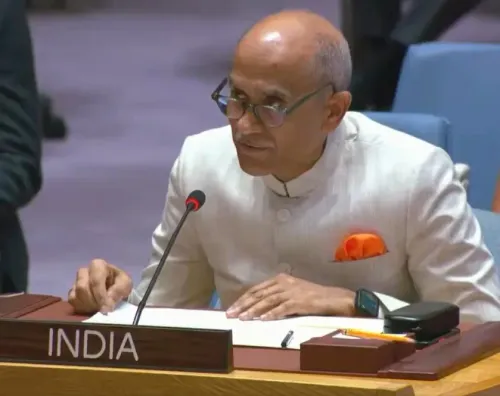
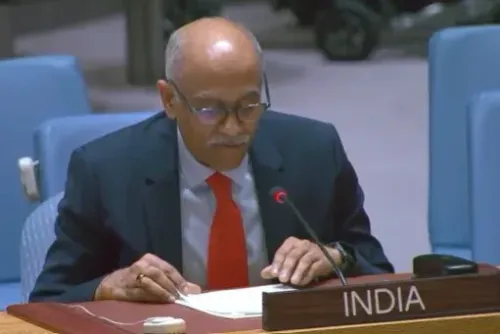
P Harish , India's permanent representative, invoked the 1943 Bengal famine at the UN Security Council .
Harish said the famine killed more than three million people in India.
Luke Lindberg said around 10 million tonnes of Russian and Ukrainian wheat were blocked, enough to feed an estimated 44 million people .
Lindberg said Somalia was at risk of famine and that Yemen imports 90% of its food.
Rosemary DiCarlo said drone attacks in the Black Sea threatened civilian navigation and disrupted food exports.
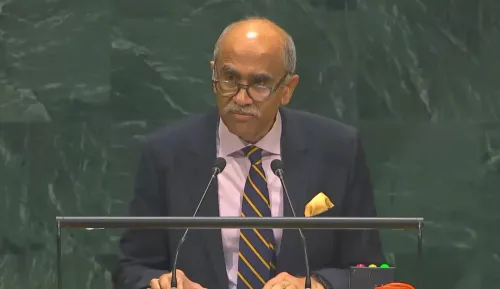
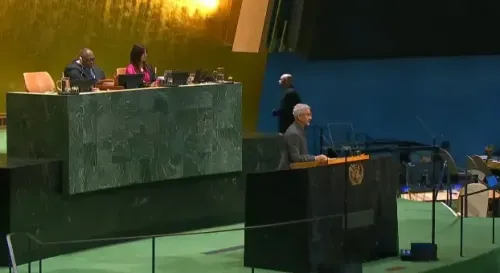
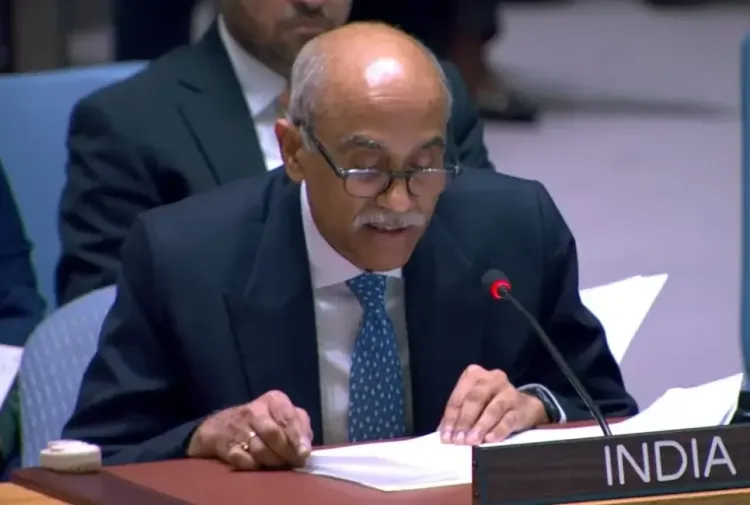
India invoked the 1943 Bengal famine at the United Nations Security Council, warning that disruption to food supplies from the Ukraine war could have devastating consequences for the Global South. Speaking at the Council on Monday, India's Permanent Representative P Harish drew a parallel between the famine and the effects of a distant conflict on populations that did not start it.
Harish pointed to the importance of Russia and Ukraine to global food security, saying interruptions to agricultural production, maritime connectivity and international trade could reach far beyond the immediate conflict zone.
Bengal famine comparison at the Security Council
Harish told the Council that the 1943 famine killed more than three million people in India. He described it as a reminder of the human cost that wartime priorities and decisions can impose far from a battlefield.
During the Second World War, food harvested in the Bengal region was diverted and grain stockpiles were destroyed under British colonial rule. Harish compared that history with the present situation, saying that people who were not responsible for starting a conflict could become its unintended collateral damage.
Referring to Prime Minister Narendra Modi, Harish said the Prime Minister had taken the side of the Global South in saying that this was not an era of war. “For the Global South, peace is not in the abstract. It is achieved when hungry mouths are fed”, he told the Council.
Blocked wheat and risks to food-importing countries
Harish spoke during a Security Council discussion on protecting critical energy infrastructure and Black Sea routes used for global food supplies. He reinforced a warning from World Food Programme Executive Director Luke Lindberg about wheat blocked by the escalating conflict.
According to Lindberg, around 10 million tonnes of Russian and Ukrainian wheat are blocked. He said that quantity could feed an estimated 44 million people.
Lindberg cited Somalia as a country at risk of famine and described a dire situation in Yemen, which imports 90% of its food. His warning illustrates the exposure of food-importing countries to disruption along routes linking producers with international markets.
Black Sea navigation and wider pressures
Under-Secretary-General Rosemary DiCarlo also told the Council that the conflict had implications for food security beyond the region. She said drone attacks in the Black Sea continued to threaten civilian navigation and disrupt exports of grain and other foodstuffs to countries in need.
Harish said the dangers to food and agriculture came on top of energy shortages that had disproportionately affected the Global South. He also pointed to the combined pressures of food, fuel and fertiliser crises arising from global conflicts.
India's representative said the causes of conflict were not shared equally, while Global South countries were among those most adversely affected by its consequences. His remarks placed food supplies alongside energy and maritime access in the Council's discussion of the war's wider effects.
India's call for humanitarian access
Harish urged the Security Council to prioritise humanitarian access, protect civilian infrastructure and safeguard freedom of navigation. He also called for humanitarian supplies to be protected.
He said the grain-producing regions of the Black Sea and India together accounted for almost a fifth of global cereal production. India's appeal leaves the protection of shipping routes and the movement of food supplies central to the issues before the Council.
Point of View
The central test is whether concern for the Global South translates into practical protection for civilian shipping and humanitarian supplies. Claims about blocked grain and the people it could feed also need transparent, continuing assessment as conditions change.
NationPress
24 Nov 2026
Frequently Asked Questions
Why did India invoke the 1943 Bengal famine at the UNSC?
India invoked the famine to warn that the Ukraine war's disruption of food supplies could severely affect the Global South. Permanent Representative P Harish compared the impact of a distant conflict on populations that did not start it.
How much Russian and Ukrainian wheat is blocked?
Around 10 million tonnes of Russian and Ukrainian wheat are blocked, according to World Food Programme Executive Director Luke Lindberg. He estimated that the quantity could feed 44 million people.
Which countries did the World Food Programme identify as vulnerable?
Luke Lindberg identified Somalia and Yemen as vulnerable to the disruption. He said Somalia was at risk of famine and that Yemen imports 90% of its food.
What did India ask the UN Security Council to do?
India called on the Security Council to prioritise humanitarian access, protect civilian infrastructure and safeguard freedom of navigation. P Harish also urged protection for humanitarian supplies.
What did India say about the 1943 Bengal famine?
P Harish said the 1943 Bengal famine killed more than three million people in India. He described it as a reminder of the human cost of wartime priorities and decisions.