India leads Global South's renewable energy push amid Middle East supply crisis
Synopsis
As Middle East tensions rattle global energy supply chains, India is turning its ISA co-foundership, a 288 GW domestic renewable base, and a web of bilateral clean energy deals into a credible claim to Global South leadership — with a $1 trillion solar mobilisation target and a 50,000-delegate summit in November 2026 as the next major test of that ambition.
Key Takeaways
India co-founded the International Solar Alliance (ISA) with France in 2015 ; ISA now has 124 signatory member countries and its headquarters is in Greater Delhi (NCR) .
ISA aims to mobilise $1 trillion in solar investments by 2030 through its Global Solar Facility .
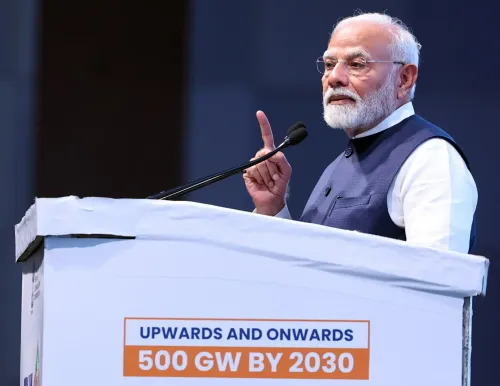
India has reached 288 GW of cumulative renewable capacity as of mid-2026 and targets 500 GW by 2030 .
The Bharat Renewable Energy Summit and Expo in New Delhi in November 2026 will coincide with the 9th ISA Assembly and the 4th International Conference on Green Hydrogen , with over 50,000 delegates expected.
India has bilateral clean energy partnerships with the EU , Australia , Germany , the Netherlands , and the Philippines , including a new accord with Australia covering renewables and critical minerals.
India's Africa Solar Facility targets energy poverty through clean power mini-grids in underserved African regions.
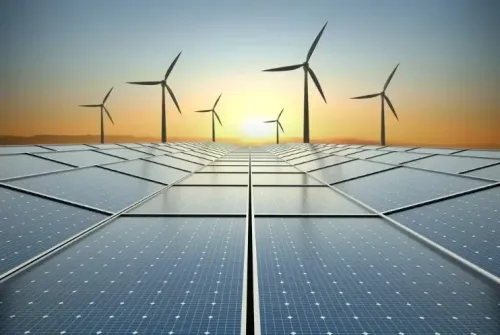
India is spearheading a coordinated Global South drive for renewable energy cooperation, leveraging multilateral platforms and bilateral partnerships to position itself as a technology and knowledge-sharing hub at a time when Middle East tensions have disrupted global energy supplies, according to an analysis published in The Manila Times. The report underscores New Delhi's growing diplomatic and institutional footprint in clean energy governance.
ISA at the Centre of India's Global Strategy
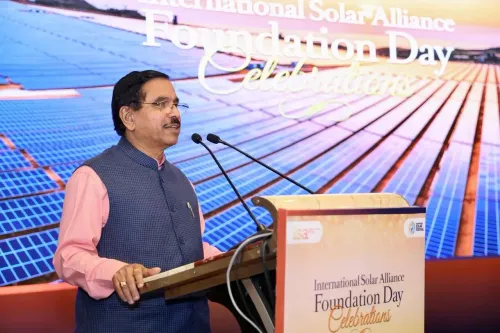
India co-founded the International Solar Alliance (ISA) alongside France in 2015, and the organisation's world headquarters is hosted in Greater Delhi (NCR). The treaty-based intergovernmental body now counts 124 signatory member countries and is targeting the mobilisation of $1 trillion in solar investments by 2030, primarily through its Global Solar Facility — a payment guarantee fund designed to de-risk and stimulate solar power projects in emerging markets.
Notably, India's ISA-led diplomacy has drawn recognition from the Manila-based Asian Development Bank (ADB) and Asian economies that are themselves accelerating their own renewable transitions. This is not incidental — ISA's membership and financing architecture are increasingly aligned with ADB's regional clean energy agenda.
Bharat Renewable Energy Summit 2026
In November 2026, India's Ministry of New and Renewable Energy is set to launch the Bharat Renewable Energy Summit and Expo in New Delhi. The event is expected to draw more than 50,000 delegates and will run concurrently with the 9th session of the ISA Assembly and the 4th International Conference on Green Hydrogen. The convergence of these three forums in a single venue signals India's intent to consolidate its role as the institutional anchor of Global South energy diplomacy.
Bilateral Partnerships Expanding India's Clean Energy Reach
Beyond multilateral forums, India has built a substantive bilateral architecture in clean energy. The India-Philippines Joint Working Group on Renewable Energy operationalises cooperation between the two nations. Major partnerships have also been forged with the European Union, Australia, Germany, and the Netherlands. A recently signed energy accord with Australia covers both renewables and critical minerals — a pairing that reflects the supply-chain logic of the clean energy transition.
According to the analysis by J. Albert Gamboa in The Manila Times, these partnerships collectively reflect India's attempt to translate its diplomatic weight and economic scale as the world's most populous nation into 'genuine leadership on sustainability for the Global South.'
India's Domestic Renewable Capacity and 2070 Net-Zero Target
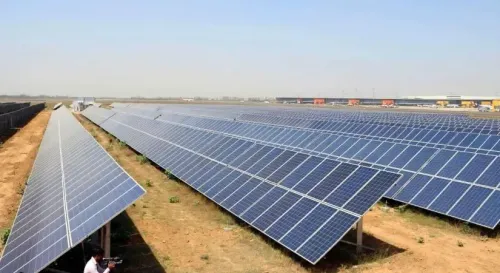
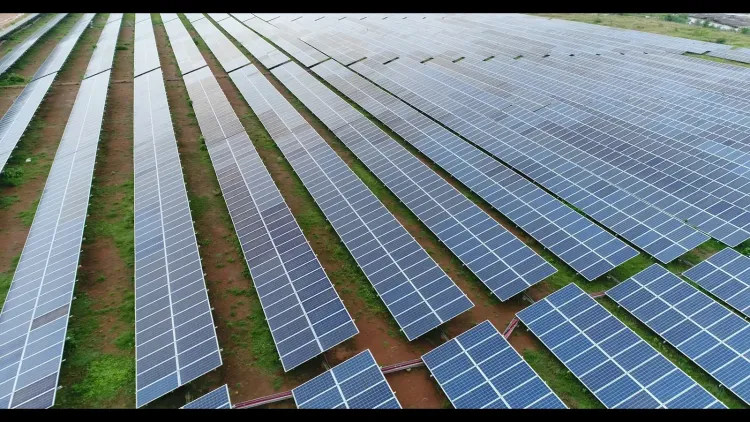
Domestic momentum underpins India's international posture. As of mid-2026, India has achieved 288 GW of cumulative renewable energy capacity and is on track to hit its 500 GW target by 2030. The country's long-term climate commitment — net-zero greenhouse gas emissions by 2070 — requires a sweeping structural overhaul of its energy, transport, and industrial sectors.
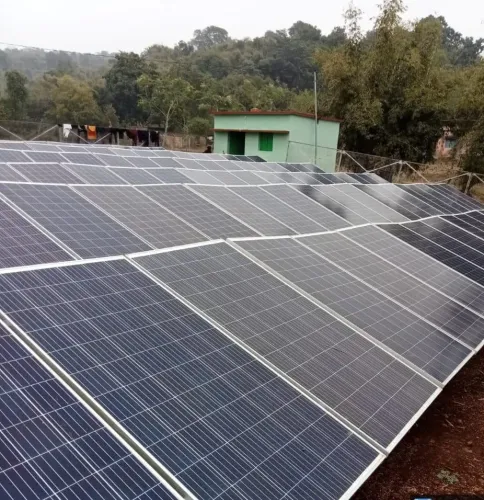
On the Africa front, India is deploying ISA's Africa Solar Facility, a blended finance platform, to channel private commercial capital into clean power mini-grids across energy-poor regions of the continent. This distributed renewable energy strategy directly targets energy poverty in underserved African communities, extending India's Global South credentials beyond Asia.
What Comes Next
With the November 2026 Summit approaching and bilateral energy deals expanding, India's renewable diplomacy is entering a more institutionalised phase. The critical question is whether the ISA's $1 trillion mobilisation target translates into deployed capacity on the ground — particularly in Africa and South and Southeast Asia — or remains a headline commitment. The convergence of the ISA Assembly, the Green Hydrogen conference, and the Bharat Expo will serve as a near-term litmus test for India's ability to move from agenda-setting to implementation.
Point of View
Bilateral deals, blended finance for Africa, a domestic 288 GW base — but the architecture risks outpacing delivery. The $1 trillion ISA mobilisation target by 2030 is four years away and the gap between commitments and deployed capacity in target markets remains largely unquantified. India's credibility as a Global South energy leader will ultimately be judged not by summits hosted or alliances co-founded, but by whether mini-grids actually light up villages in sub-Saharan Africa and whether ISA's payment guarantee fund genuinely unlocks private capital at scale. The November 2026 convergence of the ISA Assembly, the Green Hydrogen conference, and the Bharat Expo is an opportunity — but also a moment of accountability.
NationPress
25 Sept 2026
Frequently Asked Questions
What is the International Solar Alliance and what is India's role in it?
The International Solar Alliance (ISA) is a treaty-based intergovernmental organisation co-founded by India and France in 2015, with its world headquarters in Greater Delhi (NCR). It now has 124 signatory member countries and aims to mobilise $1 trillion in solar investments by 2030, with India serving as its primary institutional champion.
How much renewable energy capacity has India installed as of 2026?
As of mid-2026, India has achieved 288 GW of cumulative renewable energy capacity. The country is on track to meet its target of 500 GW by 2030, which forms a key pillar of its long-term net-zero emissions goal by 2070.
What is the Bharat Renewable Energy Summit 2026?
The Bharat Renewable Energy Summit and Expo is an event to be launched by India's Ministry of New and Renewable Energy in New Delhi in November 2026. It will be held alongside the 9th session of the ISA Assembly and the 4th International Conference on Green Hydrogen, with more than 50,000 delegates expected to attend.
Which countries has India partnered with on clean energy?
India has established major bilateral clean energy partnerships with the European Union, Australia, Germany, and the Netherlands, as well as the Philippines through a Joint Working Group on Renewable Energy. A recently signed energy accord with Australia covers both renewables and critical minerals.
How is India supporting renewable energy in Africa?
India is using the ISA's Africa Solar Facility — a blended finance platform — to deploy clean power mini-grids in underserved African regions. The initiative is designed to attract private commercial capital to combat energy poverty across the continent.