India flags Chinese vloggers faking Dhaka slums as New Delhi; Bangladesh steps up surveillance
Synopsis
Over 150 Chinese nationals have reportedly been filming Dhaka's poorest neighbourhoods and livestreaming the footage to global audiences as scenes from New Delhi — complete with derogatory commentary on India's poverty and hygiene. India's MEA has publicly condemned the campaign and urged action. Bangladesh says it has stepped up surveillance and vlogger activity has declined. The scale and coordination suggest this is far more than a stunt.
Key Takeaways
India formally raised concerns with the BNP government in Bangladesh over Chinese nationals filming Dhaka slums and falsely presenting them as New Delhi .
More than 150 Chinese nationals were reportedly involved, with over 100 producing such videos daily at the campaign's peak.
The activity has been ongoing since at least May 2026 , concentrated in Dhaka's Tekpara and Uttara localities.
MEA spokesperson Randhir Jaiswal publicly condemned the campaign on Tuesday , urging concerned authorities to act.
Uttara West Police Station officer-in-charge Mohammed Khalid Mansur confirmed a decline in vlogger activity following law enforcement intervention.
Some Chinese nationals allegedly paid Bangladeshi locals to assist with the filming operation.
India has formally raised concerns with the Bangladesh Nationalist Party (BNP) government over a coordinated campaign by Chinese vloggers allegedly filming impoverished neighbourhoods in Dhaka and misrepresenting them as New Delhi — a move New Delhi says is designed to damage India's international image. Following India's intervention, Bangladeshi law enforcement agencies reportedly intensified surveillance of the vloggers, resulting in a measurable decline in their activities, according to reports citing local officials.
What the Vloggers Were Doing
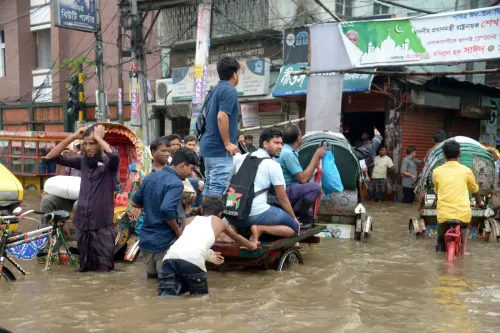
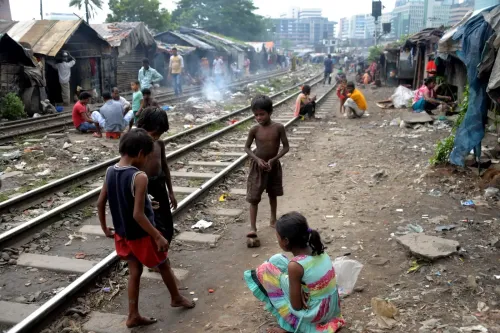
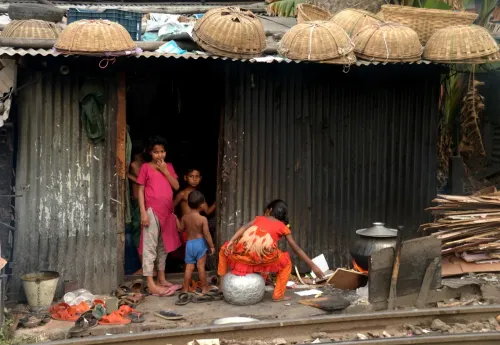
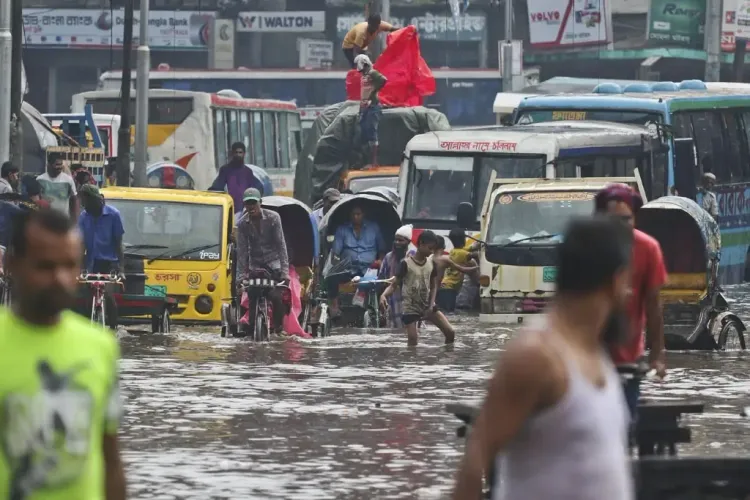
More than 150 Chinese nationals have reportedly been filming and livestreaming from economically disadvantaged localities in Dhaka — particularly the Tekpara and Uttara areas — falsely presenting the footage to online audiences as scenes from New Delhi. The activity is said to have been ongoing since at least May 2026, with streamers reportedly active from early morning until late at night. Some Chinese nationals allegedly paid Bangladeshi locals to assist them, according to a report in Thailand's daily Page 3 News, which cited Bangladeshi newspaper Prothom Alo.
The videos contained derogatory commentary on India's living standards, sanitation, food habits, and poverty. One Chinese woman identified as 'Mianmian', who claimed to be from China's Sichuan province, live streamed on 1 November from beside a canal in Uttara Sector 12 of Dhaka, presenting the area to her audience as New Delhi. Prothom Alo quoted her as saying: 'This is New Delhi. Their homes are extremely dirty. There isn't even a fan inside the tin-roofed houses. This place is quite underdeveloped, dirty and unhygienic, and the law-and-order situation is poor.'
In a separate incident, another Chinese national live streamed from tea stalls in Tekpara, claiming that tea consumed by locals was made using 'cow urine.' Prothom Alo quoted him as saying: 'Look, they are drinking tea. Do you know what kind of tea this is? This is cow urine tea. They drink cow urine tea.'
India's Official Condemnation
On Tuesday, the Ministry of External Affairs (MEA) publicly condemned the campaign. Spokesperson Randhir Jaiswal, addressing a bi-weekly press briefing in New Delhi, urged the concerned authorities to act. He said: 'We have seen media reports in this regard. Such efforts to present a distorted picture of any country are unfortunate. Insofar as efforts to buy foreign elements to portray Dhaka as Delhi are concerned, the peddling of false narratives only undermines the credibility of those who are undertaking such actions and those who are behind them. And we would urge the authorities concerned to take action against such people.'
The statement marks an unusually direct public call-out by India targeting a third country's nationals operating from a neighbouring state's territory.
Bangladesh's Response on the Ground
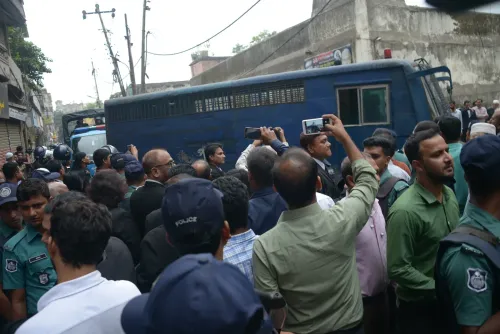
Mohammed Khalid Mansur, officer-in-charge of Uttara West Police Station, confirmed a decline in vlogger activity following law enforcement intervention, according to the Prothom Alo report. He said police and intelligence personnel were maintaining close surveillance on the vloggers and tracking their movements. The specifics of any detentions or formal legal action have not been disclosed.
The Bigger Picture: Disinformation and Bilateral Tensions
This episode sits at the intersection of three overlapping concerns: the growing use of social media content farms for geopolitical influence operations, the state of India-Bangladesh relations under the BNP-led government, and the broader trajectory of India-China information rivalry. The scale — reportedly over 100 Chinese nationals producing such videos daily at the campaign's peak — suggests an organised effort rather than isolated opportunism. Notably, this is not the first time content originating from Dhaka's underprivileged localities has been flagged; similar reports have been emerging since May 2026. The incident underscores the growing vulnerability of open social media platforms to geographically deceptive content, where misleading footage can reach large audiences before its authenticity is verified.
What Happens Next
India's public pressure on the BNP government signals that New Delhi expects formal follow-through, not just surveillance. How Dhaka responds — whether through prosecutions, visa restrictions on Chinese nationals, or diplomatic engagement with Beijing — will be watched closely. Any inaction risks straining the already-delicate India-Bangladesh relationship at a sensitive moment in the region's geopolitics.
Point of View
Reportedly since May 2026 — makes it difficult to dismiss as spontaneous content creation. India's decision to raise this publicly through the MEA, rather than purely through diplomatic back channels, signals both the seriousness with which New Delhi views it and an intent to shape the narrative. The harder question is what Bangladesh does next: Dhaka is navigating a delicate balancing act between its traditional ties with India and deepening economic engagement with China, and a tepid response to this episode could read as a signal about which way that balance is tilting. India-Bangladesh relations have been under strain since the political transition; this incident now doubles as a test of the BNP government's credibility as a bilateral partner.
NationPress
14 Nov 2026
Frequently Asked Questions
What were Chinese vloggers doing in Dhaka?
More than 150 Chinese nationals were reportedly filming impoverished neighbourhoods in Dhaka — particularly the Tekpara and Uttara areas — and livestreaming the footage to online audiences while falsely presenting it as scenes from New Delhi. The videos included derogatory commentary on India's poverty, hygiene, food habits, and living standards.
What did India's Ministry of External Affairs say about the vloggers?
MEA spokesperson Randhir Jaiswal publicly condemned the campaign at a press briefing on Tuesday, calling it an effort to 'present a distorted picture' of India. He urged the concerned authorities to act against those involved, saying the peddling of false narratives 'only undermines the credibility of those who are undertaking such actions and those who are behind them.'
How did Bangladesh respond to India's concerns?
Following India's intervention, Bangladeshi law enforcement agencies reportedly stepped up surveillance of the vloggers. Mohammed Khalid Mansur, officer-in-charge of Uttara West Police Station, confirmed a decline in vlogger activity, saying police and intelligence personnel were maintaining close surveillance on their movements.
How long has this been going on?
Reports of Chinese content creators filming Dhaka's underprivileged neighbourhoods and misrepresenting them as New Delhi have been emerging since May 2026, according to available reports. The streamers were reportedly active from early morning until late at night in Dhaka's Tekpara and Uttara localities.
Why does this matter beyond the videos themselves?
The episode highlights the growing use of social media for geopolitical influence operations, where geographically deceptive content can reach large audiences before its authenticity is verified. It also places Bangladesh in a difficult diplomatic position, having to respond to pressure from India while managing its economic ties with China.