India, Japan eye Africa critical mineral joint ventures amid China dominance
Synopsis
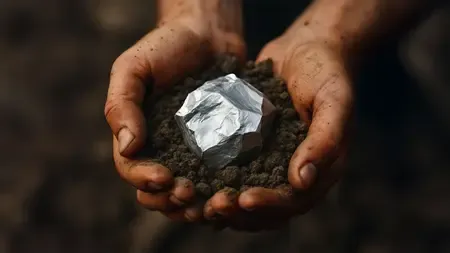
India and Japan are building a triangular partnership with Africa at its core — India's refining muscle, Japan's capital and technology, and Africa's mineral wealth — as both nations race to reduce dependence on China's near-total grip on rare-earth refining. With the Trump administration cutting Africa aid, the window for this pivot may be opening faster than anticipated.
Key Takeaways
India and Japan are deepening cooperation on Africa's critical minerals , digital infrastructure, and green energy, according to an analysis in The Diplomat .
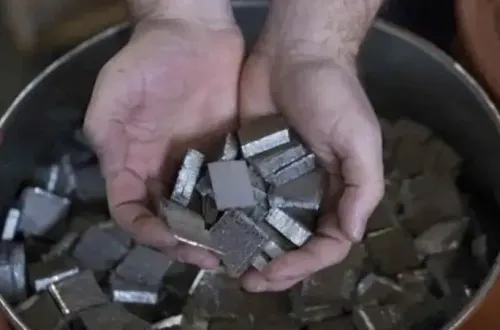
China controls roughly 90 per cent of global rare-earth refining, driving both countries to seek alternative supply chains.
A June 2025 MoU between Pensana Plc and Toyota Tsusho covers up to 20,000 tonnes per year of rare-earth carbonate from Angola, with processing at Visakhapatnam .
Indian firms ONGC Videsh , Bharat Petroleum , and Oil India hold a combined 30 per cent in the $20 billion Mozambique LNG project; Japan's Mitsui holds 20 per cent .
The Trump administration's decision to cut Africa aid has accelerated African nations' interest in diversifying partnerships, creating fresh entry points for India and Japan.
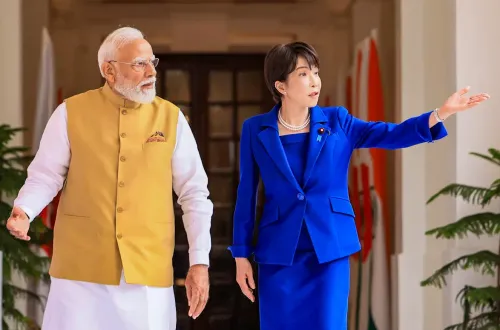
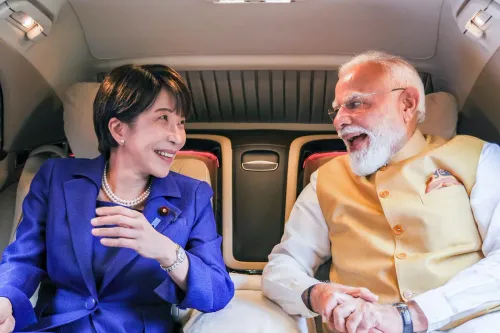
India and Japan are increasingly focusing on Africa's critical mineral sector as a strategic priority, positioning the continent at the heart of a new triangular partnership aimed at building economic security and diversifying supply chains away from China. According to an analysis published in The Diplomat, the two countries are exploring deeper cooperation across critical minerals, digital infrastructure, healthcare, green energy, and resilient supply chains across the Global South.
Why Africa — and Why Now
The urgency stems from a stark reality: China controls roughly 90 per cent of global rare-earth refining and has built significant monopolistic influence through development aid programmes across Africa. This dominance has made both New Delhi and Tokyo acutely aware of the vulnerabilities embedded in current global supply chains.
The timing is further sharpened by the Donald Trump administration's decision to cut aid to African countries, creating a vacuum that African nations are eager to fill through diversified partnerships. According to the analysis, this opens a meaningful window for India and Japan to support Africa's development in a sustainable and strategically aligned manner.
The Triangular Framework
The proposed model draws on complementary strengths: India's processing capabilities, Japan's capital and technology, and Africa's vast resource base — forming the basis of a triangular relationship with significant economic and geopolitical implications.
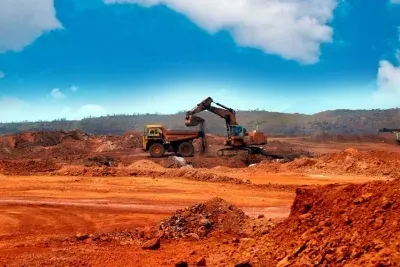
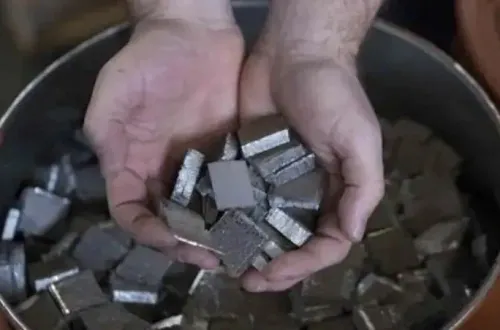
A concrete example of this architecture is already taking shape. A memorandum of understanding signed in June 2025 between Pensana Plc and Toyota Tsusho — the trading arm of Japan's Toyota Group — committed Toyota Tsusho to offtaking up to 20,000 tonnes per year of mixed rare-earth carbonate from Pensana's Longonjo mine in Angola. The material is slated for processing at Toyotsu Rare Earths India (TREI) in Visakhapatnam before final delivery to Japanese magnet manufacturers — a route that physically links Africa's ore, India's refining capacity, and Japan's manufacturing end-use.
Energy Sector: The Mozambique LNG Blueprint
The energy sector offers another model worth replicating. The Mozambique LNG project, valued at roughly $20 billion and led by France's TotalEnergies, includes two onshore trains capable of producing approximately 13 million tonnes per annum. Indian state-owned firms — ONGC Videsh, Bharat Petroleum, and Oil India — collectively hold a 30 per cent stake in the project, while Japan's Mitsui holds 20 per cent.
The Diplomat analysis suggests this co-investment structure could serve as a template for mineral projects across East and Southern Africa, where both countries are already active in infrastructure development.
Infrastructure and Connectivity
Beyond minerals and energy, Japan has financed the expansion of Kenya's largest port in Mombasa, while Indian companies have contributed to related logistics and trade facilitation. Collaborative efforts on road and rail connectivity are reportedly underway in Kenya, Tanzania, and Mozambique, reinforcing the broader goal of building integrated economic corridors across the continent.
As both nations step up their Africa engagement, analysts will be watching whether these individual projects cohere into a sustained strategic framework — or remain a collection of parallel initiatives yet to find a unified diplomatic architecture.
Point of View
But its credibility depends on execution speed — and both nations have a patchy record of converting bilateral frameworks into operational supply chains. China's 90 per cent grip on rare-earth refining was not built overnight; it took two decades of patient state-backed investment. The Toyota Tsusho-Pensana deal and the Mozambique LNG co-investment are promising data points, but individual projects do not constitute a strategy. The real question is whether New Delhi and Tokyo can convert these parallel efforts into a coordinated, funded, and diplomatically backed programme before China deepens its African foothold further — particularly as the Trump aid cuts create a short window of African receptiveness that will not remain open indefinitely.
NationPress
16 Oct 2026
Frequently Asked Questions
What is the India-Japan-Africa triangular cooperation model?
It is a proposed partnership that combines India's mineral processing capabilities, Japan's capital and technology, and Africa's critical mineral resource base to build an alternative global supply chain to China. The model is being discussed in the context of reducing dependence on China, which controls roughly 90 per cent of global rare-earth refining.
What is the Toyota Tsusho-Pensana MoU signed in June 2025?
The MoU commits Toyota Tsusho, the trading arm of Japan's Toyota Group, to offtake up to 20,000 tonnes per year of mixed rare-earth carbonate from Pensana Plc's Longonjo mine in Angola. The material will be processed at Toyotsu Rare Earths India (TREI) in Visakhapatnam before delivery to Japanese magnet manufacturers.
How are India and Japan involved in the Mozambique LNG project?
Indian state-owned companies ONGC Videsh, Bharat Petroleum, and Oil India together hold a 30 per cent stake in the approximately $20 billion Mozambique LNG project, led by France's TotalEnergies. Japan's Mitsui holds a separate 20 per cent stake, making the project an existing model of India-Japan energy co-investment in Africa.
Why is Africa gaining strategic importance for India and Japan now?
Africa's importance has risen sharply because China has built a near-monopoly in rare-earth refining and has significant influence through development aid across the continent. The Trump administration's decision to cut aid to African nations has further opened space for India and Japan to step in with sustainable development partnerships.
What infrastructure projects are India and Japan collaborating on in Africa?
Japan has financed the expansion of Kenya's largest port in Mombasa, while Indian companies have contributed to logistics and trade facilitation in the region. Both countries are also reportedly working together on road and rail connectivity projects in Kenya, Tanzania, and Mozambique.