Kazind 2026: India-Kazakhstan joint military exercise concludes at Oskemen
Synopsis
The 9th edition of Exercise Kazind wrapped up in Oskemen with a demanding 72-hour validation drill testing joint counter-terrorism capabilities — a quiet but consistent signal of India's deepening military footprint in Central Asia, now spanning nearly a decade of bilateral exercises with Kazakhstan.
Key Takeaways
The 9th edition of India-Kazakhstan Joint Military Exercise Kazind 2026 concluded at Oskemen, Kazakhstan on 12 October 2026 .
The exercise ended with a 72-hour validation drill testing operational readiness, tactical coordination, and joint counter-terrorism capabilities.
A 60-member Indian contingent , primarily from the Garhwal Rifles with Indian Air Force personnel, participated alongside a Kazakhstan force of matching strength.
Combat drills including live-firing exercises and tactical navigation were conducted at the Akhmirovo Training Area on 6 October .
The exercise was aimed at enhancing joint capability for counter-terrorism operations under a UN mandate in a sub-conventional environment.
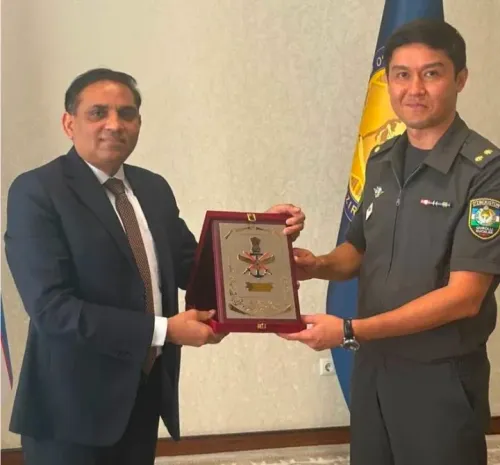
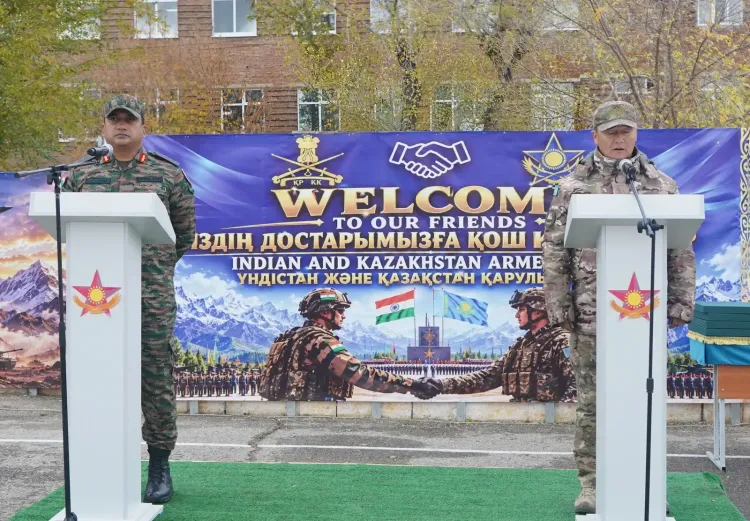
The opening ceremony on 29 September was presided over by Major General Zhenis Maralov , Chief of Regional Command East, Kazakhstan.
The ninth edition of the India-Kazakhstan Joint Military Exercise Kazind 2026 concluded at Oskemen, Kazakhstan on 12 October 2026, wrapping up with a 72-hour validation exercise that demonstrated operational readiness, tactical coordination, and joint counter-terrorism capabilities. The exercise reaffirmed the enduring defence partnership between India and Kazakhstan.
What the Validation Exercise Showcased
The concluding phase centred on a 72-hour continuous validation drill, designed to stress-test the joint force's ability to sustain coordinated operations under simulated sub-conventional conditions. According to the Indian Army's Additional Directorate General of Public Information, the drill showcased 'operational readiness, tactical coordination and joint counter-terrorism capabilities' between the two forces.
The exercise was specifically aimed at enhancing the joint capability of both armies to undertake counter-terrorism operations under a United Nations mandate — a focus that reflects growing India-Kazakhstan alignment on multilateral security frameworks.
Combat Drills and Training Activities
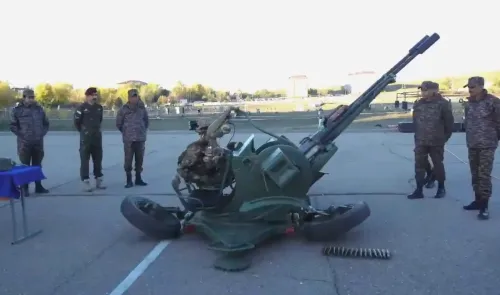
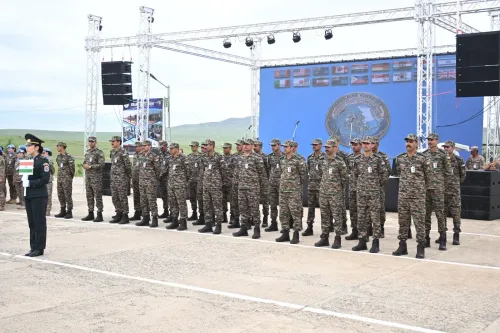
On 6 October, the two sides conducted intensive combat drills at the Akhmirovo Training Area near Oskemen. Troops carried out tactical navigation through the training zone, engaged targets during live-firing drills, and executed combined combat exercises. The activities were aimed at sharpening battlefield skills, coordination, and interoperability between the two forces.
Notably, this phase built on the groundwork laid since the opening ceremony on 29 September, presided over by Major General Zhenis Maralov, Chief of Regional Command East of the Armed Forces of Kazakhstan.
Participating Contingents
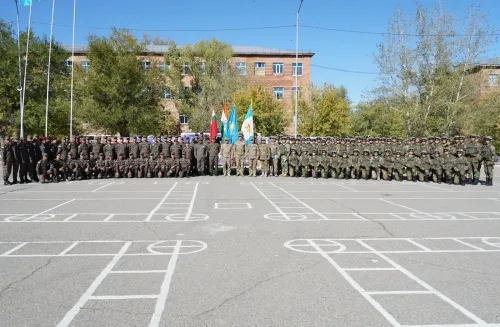
A 60-member Indian Armed Forces contingent — drawn primarily from a battalion of the Garhwal Rifles, along with troops from other arms and services and personnel from the Indian Air Force — represented India at the exercise. The Kazakhstan Armed Forces fielded a contingent of matching strength, comprising primarily personnel from its Land Forces, according to the Ministry of Defence.
Broader Strategic Significance
Kazind is a flagship bilateral military engagement between India and Kazakhstan, and the 2026 edition marks its ninth successive iteration — underscoring the consistency of the two nations' defence engagement. This comes amid India's broader push to deepen security partnerships across Central Asia, a region of growing strategic importance given its proximity to Afghanistan and evolving dynamics in the Shanghai Cooperation Organisation (SCO). The exercise also signals Kazakhstan's interest in strengthening ties with New Delhi beyond traditional economic corridors.
The successful conclusion of Kazind 2026 is expected to pave the way for expanded joint training frameworks and deeper institutional military ties in the coming year.
Point of View
Low-profile military investment in Central Asia. While India-Pakistan and India-China dynamics dominate headlines, consistent bilateral exercises like Kazind build the institutional muscle memory that enables real operational coordination when it matters. The focus on UN-mandated counter-terrorism is also notable — it frames the India-Kazakhstan military relationship within multilateral legitimacy rather than bilateral bilateralism alone, giving both sides diplomatic cover and a shared doctrinal vocabulary. Whether this translates into deeper SCO-aligned security architecture remains to be seen, but nine unbroken editions of Kazind suggest intent that goes well beyond ceremonial engagement.
NationPress
12 Oct 2026
Frequently Asked Questions
What is Exercise Kazind 2026?
Exercise Kazind 2026 is the ninth edition of the annual India-Kazakhstan Joint Military Exercise, held at Oskemen in Kazakhstan. It is designed to enhance interoperability and build joint counter-terrorism capabilities between the Indian Army and the Kazakhstan Armed Forces under a United Nations mandate.
When and where did Kazind 2026 conclude?
Kazind 2026 concluded at Oskemen, Kazakhstan on 12 October 2026, with a 72-hour validation exercise. The exercise had begun with an opening ceremony on 29 September 2026.
Which Indian units participated in Kazind 2026?
A 60-member Indian contingent participated, drawn primarily from a battalion of the Garhwal Rifles along with troops from other arms and services. Personnel from the Indian Air Force also took part in the exercise.
What was the focus of the joint exercise?
The exercise focused on joint counter-terrorism operations in a sub-conventional environment under a UN mandate. Key activities included tactical navigation, live-firing drills, and combined combat exercises at the Akhmirovo Training Area.
Why does Kazind matter for India's defence strategy?
Kazind is part of India's broader effort to deepen security partnerships across Central Asia, a strategically significant region bordering Afghanistan and connected to multilateral frameworks like the SCO. Nine consecutive editions signal a sustained institutional defence relationship, not just a symbolic bilateral gesture.