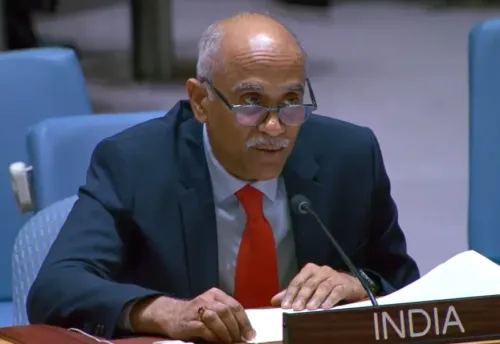
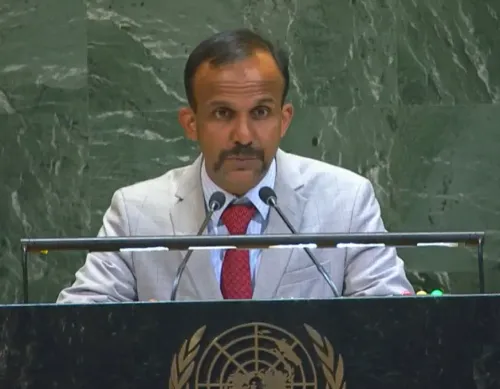
India at UN slams Pakistan's misuse of self-determination for political ends
Synopsis
India's diplomat at the UN drew a sharp line at the General Assembly's Third Committee: self-determination is a tool for decolonisation, not a cover for secessionist politics. The rebuke, clearly aimed at Pakistan's Kashmir gambit, came even as Pakistan's own resolution on the subject was adopted unanimously — after Islamabad conspicuously dropped its usual Kashmir references to secure broader support.
Key Takeaways
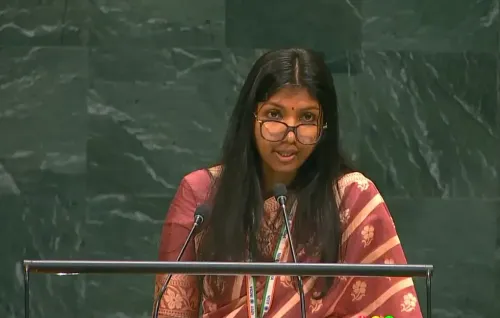
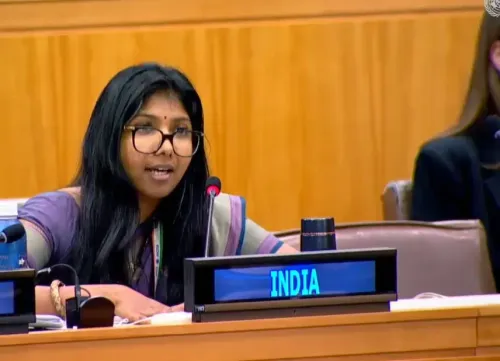
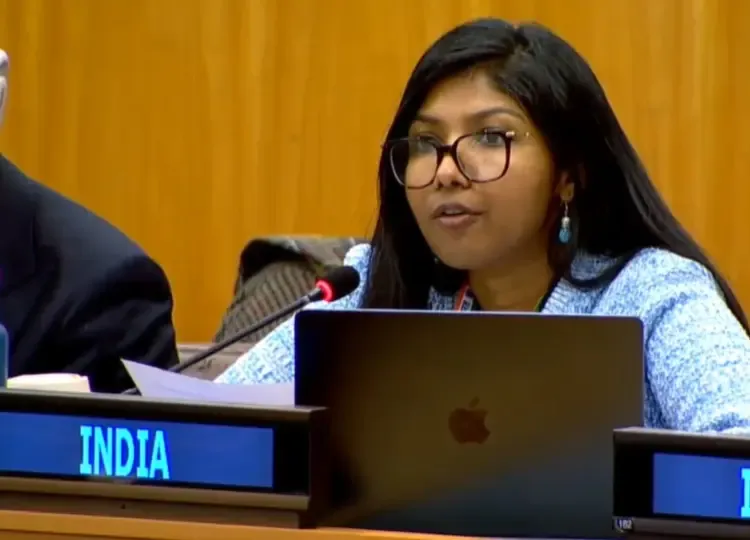
Bhavika Mangalanandan , First Secretary at India's UN Mission, on 20 November called selective use of self-determination for 'domestic political ends' unacceptable.
India argued the UN has established self-determination as a tool for decolonisation , not a justification for secession or undermining territorial integrity.
Pakistan's resolution on 'Universal Realisation of the Right of Peoples to Self-Determination', co-sponsored by 62 countries , was adopted unanimously.
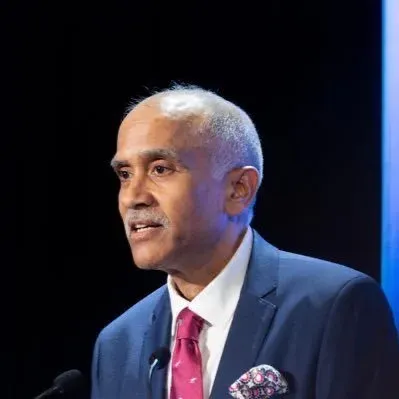
The resolution deliberately named no country or territory, and Pakistan's Permanent Representative Syed Haider Shah did not raise Kashmir — a notable departure from past practice.
India maintains Kashmir's people have exercised self-determination through participation in democratic elections .
India on Thursday, 20 November 2026 firmly called out what it described as the deliberate misuse of the United Nations charter principle of self-determination, in a pointed rebuke aimed at Pakistan's repeated attempts to invoke the concept to press its case on Kashmir. The remarks came during a session of the UN General Assembly's Third Committee, which handles social and humanitarian affairs.
India's Core Argument
Bhavika Mangalanandan, First Secretary at India's Permanent Mission to the United Nations, told the committee that it is 'unacceptable that attempts are continuously made at the United Nations and elsewhere to reinvent some of the basic principles of the charter, such as self-determination, and to apply them selectively for narrow or domestic political ends.' She stressed that the UN itself has established that self-determination 'is a vehicle for decolonisation — not a justification for secession or undermining the territorial integrity of any member state.'
Mangalanandan did not name Pakistan explicitly, but the context was unmistakable. Islamabad regularly raises the Kashmir issue in multilateral forums, framing it as a question of self-determination — an argument New Delhi has consistently and categorically rejected.
Democratic Choice as the Answer
India advanced an alternative formulation, arguing that in countries that have already achieved independence, self-determination 'is best maintained through the regular exercise of democratic choice,' according to Mangalanandan. New Delhi has long held that the people of Jammu and Kashmir have expressed their will through repeated participation in Indian elections and by electing their own representatives — rendering Pakistan's demand for a plebiscite both obsolete and irrelevant.
The Resolution That Prompted the Remarks
The session was convened to consider a resolution titled 'Universal Realisation of the Right of Peoples to Self-Determination', tabled by Pakistan and co-sponsored by 62 countries. The resolution was adopted unanimously. Notably, the text made no reference to any specific country or territory — a deliberate omission, analysts say, designed to broaden its appeal and maximise co-sponsorship. In a significant departure from past practice, Pakistan's Permanent Representative Syed Haider Shah also refrained from raising Kashmir during his own remarks, suggesting Islamabad calculated that specificity could cost it votes.
Broader Pattern and What It Signals
India's pushback fits a consistent diplomatic posture: engage multilateral forums proactively rather than cede the narrative floor. This comes amid continued tensions on the India-Pakistan diplomatic front and ongoing international scrutiny of how the self-determination principle is applied in conflict zones globally. Notably, the same debate has gained fresh salience in the context of several other territorial disputes worldwide, making India's clarification on the principle's scope particularly timely. The fact that the resolution passed unanimously — with India presumably not blocking it, given its deliberately broad language — reflects New Delhi's calibrated approach: contest the framing while not alienating co-sponsoring states.
Point of View
So it pursues the principle in the abstract while expecting the implicit reference to do the work. India's counter-strategy — contesting the framing at the podium without blocking a broadly worded text — is shrewd but limited. The more consequential question is whether India can build a durable coalition around a stricter interpretation of self-determination, or whether the principle will continue to be stretched in forums where it lacks enforcement teeth.
NationPress
20 Nov 2026
Frequently Asked Questions
What did India say about self-determination at the United Nations?
India's First Secretary Bhavika Mangalanandan told the UN General Assembly's Third Committee on 20 November that attempts to apply self-determination 'selectively for narrow or domestic political ends' are unacceptable. She reiterated that the UN itself defines the principle as a vehicle for decolonisation, not a basis for secession or undermining territorial integrity.
Was India's statement directed at Pakistan?
India did not name Pakistan explicitly, but the context made the target clear. Pakistan routinely raises the Kashmir issue at UN forums under the banner of self-determination, an argument India has consistently rejected.
What was the resolution Pakistan introduced at the UN?
Pakistan introduced a resolution titled 'Universal Realisation of the Right of Peoples to Self-Determination' at the Third Committee. It was co-sponsored by 62 countries and adopted unanimously. The text deliberately avoided naming any specific country or territory.
Why did Pakistan not raise Kashmir during the debate?
Pakistan's Permanent Representative Syed Haider Shah refrained from mentioning Kashmir when he spoke — a departure from Islamabad's usual practice. Analysts say this was a calculated move to maximise co-sponsorship by keeping the resolution's language broad and non-specific.
What is India's position on a Kashmir plebiscite?
India holds that the people of Jammu and Kashmir have already exercised self-determination by participating in Indian democratic elections and electing their own representatives, making Pakistan's demand for a plebiscite irrelevant.