India-UAE strategic defence pact 2026: flexible alliance, no treaty bind
Synopsis
India and the UAE signed a strategic defence deal in May 2026 that deepens industrial and energy ties — including oil storage at Fujairah — without any mutual-defence clause. Analysts call it a 'flexible alliance without treaty obligations,' capturing how India is projecting power into the Middle East while keeping its strategic hands free.
Key Takeaways
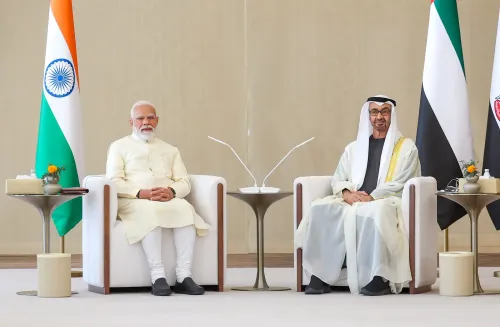
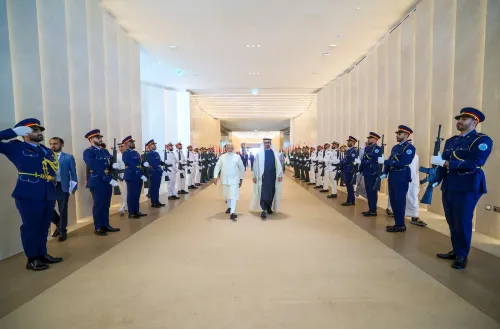
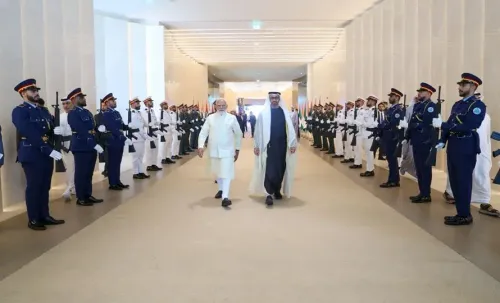
India and the UAE signed a strategic defence partnership in May 2026 , focused on defence industrial collaboration.
The deal contains no mutual-defence clause , unlike the Pakistan-Saudi Arabia agreement — analysts label it a 'flexible alliance without treaty obligations.' India will store strategic petroleum reserves at the UAE's Fujairah facility, creating energy interdependency and shared maritime security stakes.
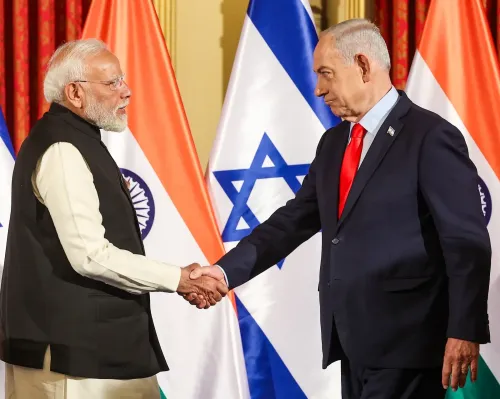
The partnership complements the I2U2 framework linking India, UAE, Israel, and the US through technology, connectivity, and logistics cooperation.
India's Defence Vision 2047 document signals a shift from defensive non-alignment toward proactive power projection in the Middle East .
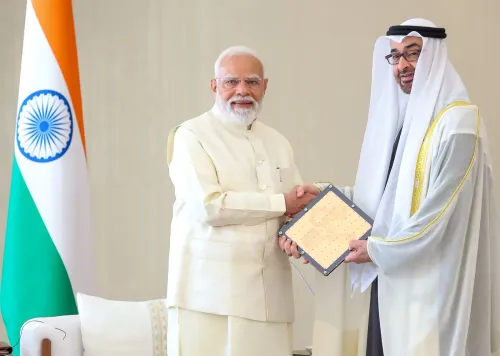
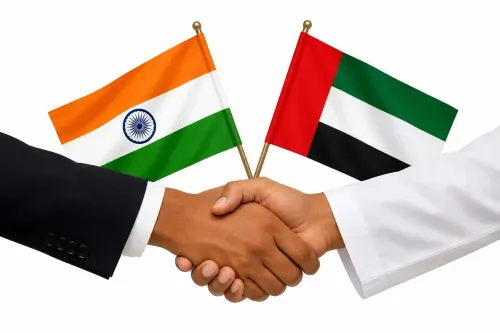
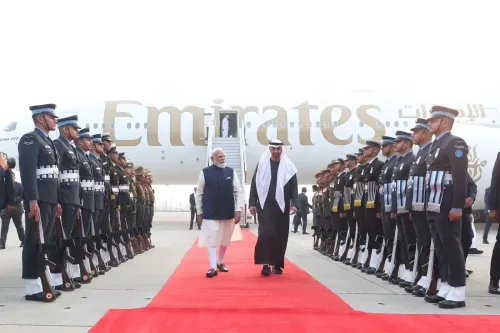
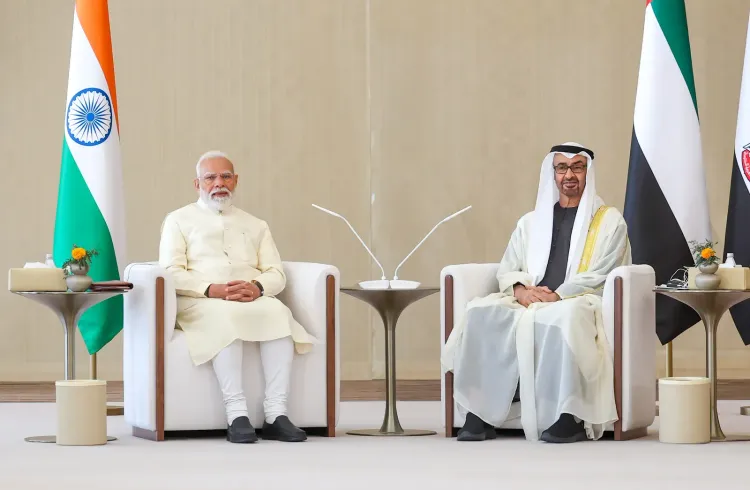
India and the United Arab Emirates (UAE) have formalised a strategic defence partnership in May 2026, deepening defence industrial collaboration while deliberately stopping short of a mutual-defence treaty — a model analysts describe as a 'flexible alliance without treaty obligations.' The arrangement reflects a broader recalibration of New Delhi's foreign policy posture from passive non-alignment toward proactive strategic engagement.
India's Strategic Autonomy Reimagined
According to a report in Modern Diplomacy, India's Defence Vision 2047 document — released by the Defence Ministry — signals that strategic autonomy is no longer a purely defensive concept. It is increasingly oriented toward power projection and proactive engagement in an era of competitive multipolarity. The report notes that Prime Minister Narendra Modi's evolving Middle East policy no longer treats the region merely as a source of energy security and remittances, but as a theatre for strategic projection and security partnerships.
The I2U2 Dimension
The India-UAE partnership fits into a wider minilateral architecture. According to the Modern Diplomacy report, the bilateral deal increasingly complements the strategic logic of the I2U2 framework — linking India, the UAE, Israel, and the United States through cooperation in technology, connectivity, and logistics. While I2U2 is not a military pact, it exemplifies how economic integration and strategic coordination are being woven together through flexible, non-binding arrangements.
Energy Security and Maritime Stakes
A critical component of the India-UAE deal involves strategic petroleum reserves. Under the partnership, India will store oil reserves at the UAE's Fujairah facility. The Modern Diplomacy report argues this creates energy interdependency and raises long-term stakes for both nations to protect shared infrastructure and maritime routes. As Defence Vision 2047 addresses an emerging conflict spectrum, New Delhi will, the report suggests, have compelling incentives to safeguard those reserves and the sea lanes connecting them.
How It Differs from Pakistan-Saudi Arabia Pact
The India-UAE arrangement is notably distinct from the Pakistan-Saudi Arabia defence agreement, which contains a clause treating an attack on one party as an attack on the other. The India-UAE deal includes no such mutual-defence obligation. This distinction is deliberate: it allows India to deepen its footprint in the Middle East's security architecture while retaining freedom from binding alliance commitments — a hallmark of its long-standing strategic culture.
What This Signals for Indian Foreign Policy
Taken together, the Defence Vision 2047 framework, the India-UAE pact, and the I2U2 alignment represent a structural shift in how India manages great-power competition. Rather than choosing camps, New Delhi is building overlapping, issue-specific partnerships that accumulate strategic weight without foreclosing options. Whether this architecture can sustain coherence as regional tensions evolve remains the central question for Indian foreign policy watchers.
Point of View
New Delhi is accumulating security stakes in the Middle East that will, in practice, demand responses — even without a treaty obligation compelling them. The absence of a mutual-defence clause preserves diplomatic optics, but energy infrastructure and maritime routes are not abstract commitments; they are targets. The real test of this model will come the first time those assets face a credible threat and India must decide how far 'flexible' actually stretches.
NationPress
21 Oct 2026
Frequently Asked Questions
What is the India-UAE strategic defence partnership signed in 2026?
It is a bilateral agreement formalised in May 2026 that deepens defence industrial collaboration between India and the UAE. Notably, it does not include a mutual-defence clause, making it a flexible security arrangement rather than a binding military alliance.
What is the I2U2 framework and how does India fit in?
I2U2 is a minilateral grouping linking India, the UAE, Israel, and the United States through cooperation in technology, connectivity, and logistics. It is not a military pact, but the India-UAE defence partnership increasingly complements its strategic logic, according to reports.
Why is the Fujairah petroleum reserve agreement significant?
India storing its strategic oil reserves at the UAE's Fujairah facility creates mutual energy interdependency and gives both nations shared stakes in protecting the surrounding maritime infrastructure and sea lanes. Analysts argue this will drive New Delhi to secure those routes regardless of formal treaty obligations.
How does the India-UAE deal differ from the Pakistan-Saudi Arabia defence pact?
Unlike the Pakistan-Saudi Arabia agreement, the India-UAE deal contains no clause stating that an attack on one party constitutes an attack on the other. India retains full strategic autonomy while still deepening its presence in the Middle East's security architecture.
What is India's Defence Vision 2047?
Defence Vision 2047 is a document released by India's Defence Ministry that outlines a shift in strategic posture — from traditional non-alignment toward proactive engagement and power projection. It addresses an emerging conflict spectrum and underpins India's expanding security partnerships in the Middle East and beyond.