Indian-American lawmakers push H-1B domestic visa renewal bill in US Congress
Synopsis
Two Indian-American lawmakers have introduced a bill that could end the long-standing requirement forcing H-1B workers to travel abroad for visa renewals — a change that would directly affect hundreds of thousands of Indian professionals in the US. The three-bill package also targets chronic consular backlogs and gaps in emergency evacuation communication exposed by the Iran war and Nepal floods.
Key Takeaways
Representatives Suhas Subramanyam and Raja Krishnamoorthi backed a three-bill immigration package on 30 September 2026 .
The Domestic Visa Renewal Modernization Act would expand a 2024 pilot to allow H-1B, L, O, E, I and P visa holders to renew within the US.
The Reducing Visa Delays Act would mandate State Department staffing reviews and scrutiny of Trump-era vetting policies.
The Strengthening Emergency Responses Act requires updated evacuation plans and regular next-of-kin contact after overseas disasters.
The package has bipartisan support, with Republican Representative Don Bacon co-leading and Democrats Jonathan Jackson and Deborah Ross as co-sponsors.
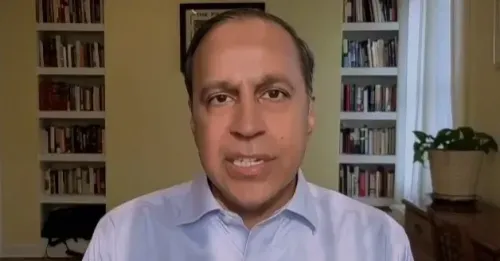
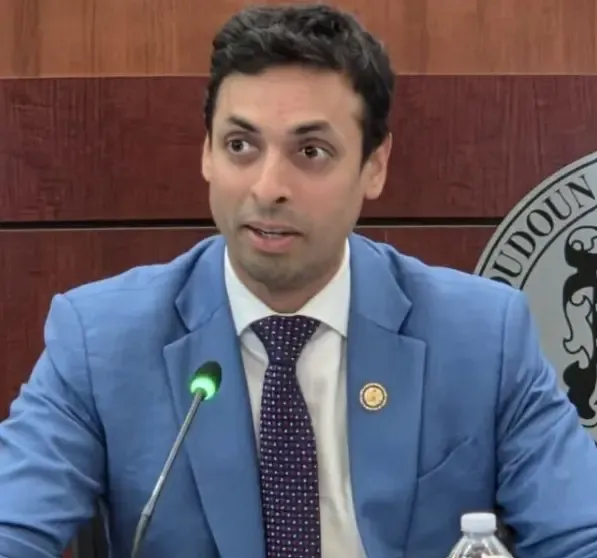
Two Indian-American lawmakers, Representatives Suhas Subramanyam and Raja Krishnamoorthi, have thrown their weight behind legislation that would allow H-1B professionals and several other categories of foreign workers to renew their visas without leaving the United States. The push, unveiled in Washington on 30 September 2026, forms part of a three-bill package led by Subramanyam, a Democrat representing Virginia.
What the Domestic Visa Renewal Bill Proposes
The centrepiece of the package is the Domestic Visa Renewal Modernization Act, which would expand a 2024 pilot programme that allowed some H-1B holders to renew their visa stamps within the US. Under the proposed legislation, domestic renewal would be extended to holders of H-1B, H-1B1, E, I, L, O and P visas — categories covering skilled professionals, intra-company transferees, investors, journalists, athletes, entertainers, and individuals with extraordinary ability.
Currently, visa holders must travel to a US embassy or consulate abroad to obtain a new stamp. Delays in securing appointments have left workers stranded outside the country, separated from their jobs and families for extended periods. Proponents argue the change would reduce disruption for workers and employers alike, while freeing consular staff overseas to focus on new visa applications and broader foreign-policy priorities.
Lawmakers Behind the Legislation
Krishnamoorthi and Republican Representative Don Bacon are co-leading the bill alongside Subramanyam. Democratic Representatives Jonathan Jackson and Deborah Ross are listed as co-sponsors, signalling a degree of bipartisan support for the measure.
'People who are already legally living and working in the United States should not have to leave the country simply to renew their visas,' Krishnamoorthi said. He added that the act would 'cut unnecessary red tape, give workers and employers greater certainty, and help ensure America remains competitive in attracting and retaining talented people from around the world.'
Addressing Visa Backlogs and Processing Delays
A second measure in the package, the Reducing Visa Delays Act, would direct the State Department to assess whether US embassies and consulates are adequately staffed to bring down appointment and processing wait times. It would also mandate a review of visa-vetting policies introduced by the Trump administration, and include transparency provisions giving applicants a clearer view of the full waiting periods they face.
'My constituents deal with the consequences of extended visa delays on a daily basis. Appointment backlogs and processing delays disrupt families and jobs. We need to address them,' Subramanyam said.
Emergency Evacuation Provisions for Americans Abroad
The third bill, the Strengthening Emergency Responses Act, focuses on Americans caught in conflicts and natural disasters overseas. It would require the State Department to update its evacuation plans after every emergency evacuation, review how information reaches people seeking assistance, and maintain regular contact with the next of kin of Americans affected by major disasters abroad.
Subramanyam cited specific constituent experiences, noting that at the start of the Iran war, Americans were reportedly left stranded in the Middle East with little guidance or advance notice. Families also reportedly sought better communication following the August floods in Nepal. 'It is critical to communicate closely with families of those impacted by disasters abroad too,' he said.
Broader Context and What Comes Next
The three-bill package arrives at a time of heightened scrutiny over US immigration policy, with backlogs at consular posts stretching into months or even years for some visa categories. Indian nationals are among the largest beneficiaries of H-1B visas, making any reform particularly consequential for the Indian-American community and for Indian professionals employed in the US technology and healthcare sectors.
The bills must still clear committee review and secure broader Congressional support before they can be signed into law. Their progress will be closely watched by immigration advocates, tech industry lobbies, and the Indian diaspora.
Point of View
Yet the Trump-era vetting review embedded in the Reducing Visa Delays Act could draw Republican opposition that unravels the coalition. For Indian professionals, who make up the largest share of H-1B holders, the stakes are unusually high: years-long green card queues already trap them in a visa-renewal loop that this bill could partially ease. The real test will be whether tech-sector lobbying can translate goodwill into floor votes before the Congressional calendar runs out.
NationPress
30 Sept 2026
Frequently Asked Questions
What is the Domestic Visa Renewal Modernization Act?
It is a bill introduced by Representative Suhas Subramanyam that would allow holders of H-1B, H-1B1, E, I, L, O and P visas to renew their visa stamps inside the United States, rather than travelling to a US embassy or consulate abroad. It builds on a 2024 pilot programme that offered domestic renewal to a limited group of H-1B holders.
Why do H-1B workers currently have to travel abroad to renew their visas?
Under existing rules, a visa stamp — which is separate from work authorisation — must be issued by a US embassy or consulate overseas. Appointment backlogs at many consular posts can stretch for months, leaving workers stranded outside the US and separated from their families and employers.
Which visa categories would benefit from domestic renewal?
The bill covers H-1B and H-1B1 skilled workers, E-category investors and treaty traders, I-category journalists, L intra-company transferees, and O and P visa holders covering individuals with extraordinary ability, athletes and entertainers.
What does the Reducing Visa Delays Act propose?
It would require the State Department to assess staffing levels at US embassies and consulates to determine whether they are adequate to cut appointment and processing wait times. It also mandates a review of visa-vetting policies from the Trump administration and introduces transparency measures so applicants can see full waiting periods.
What prompted the Strengthening Emergency Responses Act?
Representative Subramanyam cited constituents who were stranded in the Middle East with little guidance at the start of the Iran war, as well as families seeking better communication after the August floods in Nepal. The bill would require updated evacuation plans after every emergency and regular State Department contact with next of kin of affected Americans.