Iran IRGC strikes US bases in Jordan, Bahrain after Gulf attacks
Synopsis
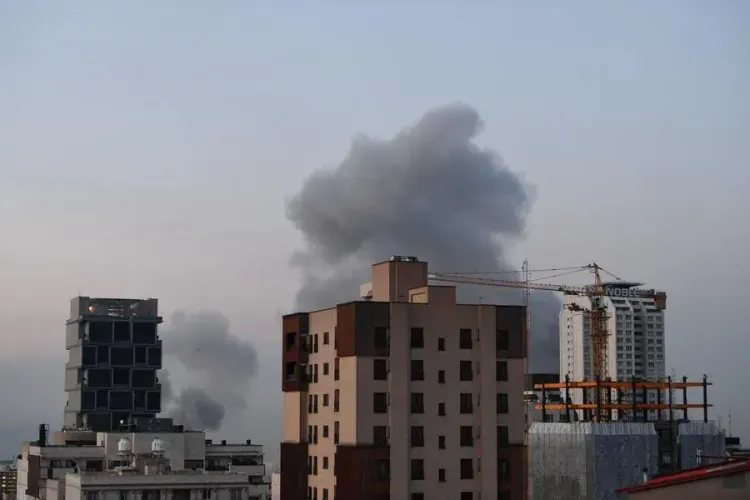
Iran's IRGC launched ballistic missiles and drones at US bases in Jordan and Bahrain on 2 September, hours after US Central Command struck multiple southern Iranian provinces — including, according to Iranian officials, a wedding ceremony in Hormozgan that killed at least five people including a child. The Strait of Hormuz closure, already in effect, now has a direct military exchange behind it.
Key Takeaways
Iran's IRGC launched ballistic missile and drone strikes on Camp Titin, Jordan and Shaikh Isa Air Base, Bahrain on Tuesday, 2 September .
US Central Command had earlier struck multiple southern Iranian provinces, killing at least five people — including a four-year-old child — and wounding over 50 others.
The IRGC claims its air defence shot down a US MQ-9 Reaper drone .
Jordan's JAF intercepted 10 of 13 Iranian ballistic missiles; three fell in unpopulated areas with no casualties.
Iran's Khatam al-Anbiya Central Headquarters threatened 'crushing and shattering' blows against the US.
The IRGC warned the US strikes would extend the closure of the Strait of Hormuz .
Iran's Islamic Revolutionary Guard Corps (IRGC) announced on Tuesday, 2 September that it had launched retaliatory strikes against US military bases and assets in the region, hours after US Central Command carried out strikes on multiple southern Iranian provinces that killed at least five people — including a four-year-old child — and wounded more than 50 others.
The IRGC's Retaliatory Strikes
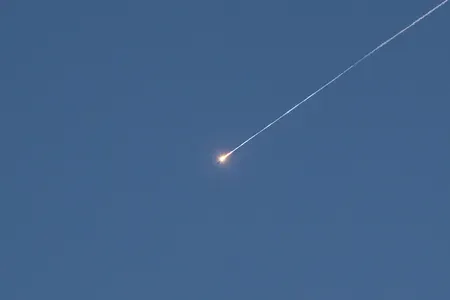
In a statement published on its official outlet Sepah News on Tuesday night local time, the IRGC said its 'regret-inducing response against the aggressors' had begun. Its aerospace forces launched ballistic missile and drone strikes on Camp Titin in Jordan and Shaikh Isa Air Base in Bahrain, reportedly killing 'a large number of' US troops and destroying several key facilities and combat helicopters, according to the IRGC's own claims. The IRGC also said its air defence had shot down a 'hostile' US MQ-9 Reaper drone.
Jordan Intercepts Missiles
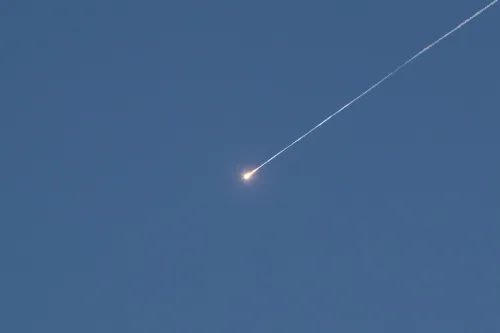
The Jordanian Armed Forces-Arab Army (JAF) said its air defence systems intercepted and destroyed 10 of 13 ballistic missiles that entered Jordanian airspace from Iran on Tuesday evening. The remaining three missiles fell in remote areas away from population centres, with no casualties or loss of life reported, according to a JAF statement.
The US Strike That Triggered the Escalation
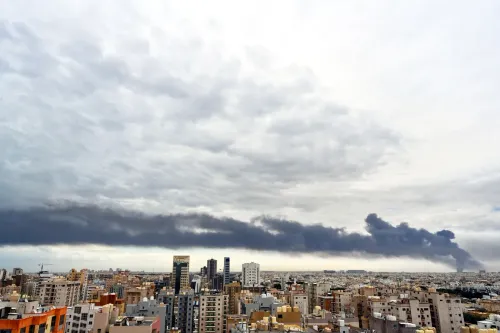
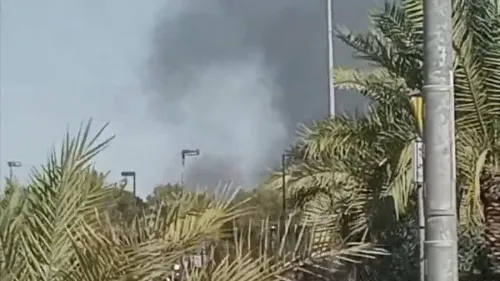
US Central Command announced the start of strikes against IRGC targets in a post on social media platform X on Tuesday evening. Multiple explosions were subsequently reported across several southern Iranian provinces, including in the counties of Sirik, Bandar Abbas, Qeshm, and Jask in Hormozgan; Konarak and Chabahar in Sistan and Baluchestan; Jiroft in Kerman; and Asaluyeh in Bushehr, according to Iranian media reports.
The semi-official Fars news agency cited Ahmad Nafisi, Hormozgan's deputy governor for political and security affairs, as saying that the US strike targeted a wedding ceremony in Sirik county, Hormozgan province. The IRGC characterised the US strikes as an act carried out 'out of desperation.'
Strait of Hormuz and Broader Implications
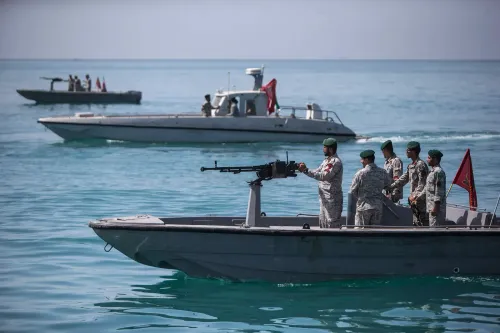
The IRGC stressed that the US strikes would only 'protract the closure of the Strait of Hormuz' and make Iranian armed forces more determined to 'suppress the foreign forces interfering in the waterway.' Iran's main military command, Khatam al-Anbiya Central Headquarters, warned in a separate statement that the Iranian armed forces would deal 'crushing and shattering' blows to the United States in response to what it called 'air aggression.'
This comes amid an already volatile situation in the Gulf region, with the Strait of Hormuz — a critical global oil transit chokepoint — reportedly already under some form of Iranian-imposed restriction. The tit-for-tat escalation marks one of the most direct military confrontations between Iran and the United States in recent years, and its trajectory will be closely watched by global energy markets and regional governments alike.
Point of View
But named militaries hitting named bases. The IRGC's claim of striking Camp Titin and Shaikh Isa, if independently verified, would mark one of the most consequential Iranian military actions against US assets in decades. What mainstream coverage risks underplaying is the Strait of Hormuz dimension: Iran has explicitly linked the closure's duration to US military behaviour, meaning every escalatory step now has a direct energy-market variable attached. With Jordan publicly confirming it intercepted Iranian missiles over its airspace, the conflict is no longer bilateral — it is drawing in Gulf and Arab neighbours whether they choose it or not.
NationPress
2 Sept 2026
Frequently Asked Questions
Why did Iran strike US bases on 2 September?
Iran's IRGC said the strikes on US bases in Jordan and Bahrain were direct retaliation for US Central Command attacks on multiple southern Iranian provinces earlier the same day. The IRGC specifically cited a US strike on a wedding ceremony in Sirik county, Hormozgan province, which reportedly killed at least five people including a child.
Which US bases did Iran target?
The IRGC said it launched ballistic missile and drone strikes on Camp Titin in Jordan and Shaikh Isa Air Base in Bahrain. The IRGC claimed a 'large number' of US troops were killed and key facilities destroyed, though these claims have not been independently verified.
Did the Iranian missiles hit Jordan?
Jordan's Armed Forces said its air defence systems intercepted and destroyed 10 of the 13 ballistic missiles that entered Jordanian airspace from Iran. The remaining three fell in remote areas with no casualties or loss of life, according to an official JAF statement.
What happened in the US strike on Iran that triggered this?
US Central Command announced strikes against IRGC targets in southern Iran on Tuesday evening. Explosions were reported across Hormozgan, Sistan and Baluchestan, Kerman, and Bushehr provinces. According to Hormozgan's deputy governor, at least five people — including a four-year-old child and a woman — were killed and over 50 wounded in a strike on a wedding ceremony in Sirik county.
What is the significance of the Strait of Hormuz in this conflict?
The IRGC warned that US strikes would only extend the closure of the Strait of Hormuz, a critical global oil transit route. Iran has explicitly linked the waterway's status to the US military presence in the region, meaning continued escalation could have direct consequences for global energy supply.