Iran Conflict Undermines US Preparedness Against China, Warns Ro Khanna
Synopsis
The ongoing conflict in Iran is diverting crucial resources from U.S. efforts to counter threats posed by China, according to lawmakers. Representative Ro Khanna criticizes President Trump's military actions and highlights the economic burdens on American citizens.
Key Takeaways
Iran conflict is straining U.S. military resources.
Economic burden of nearly $1 billion per day.
Concerns over U.S. deterrence capabilities in the Indo-Pacific.
China and Russia's military advancements pose significant threats.
Need for strategic focus on critical long-term threats.
Washington, March 18 (NationPress) Lawmakers in the United States have raised alarms about the current conflict in Iran, indicating that it is compromising America's strategic strength. Prominent Democrats have cautioned that vital resources are being redirected from the essential mission of addressing threats posed by China and other significant adversaries.
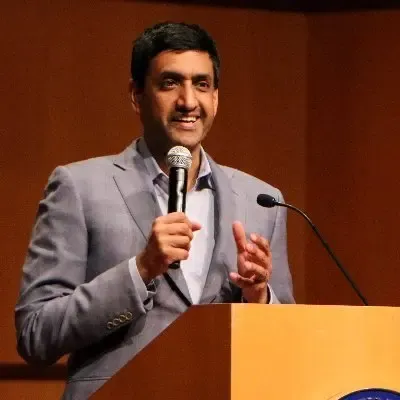
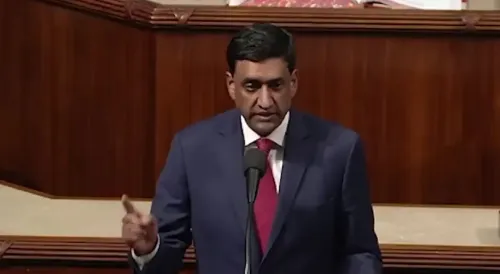
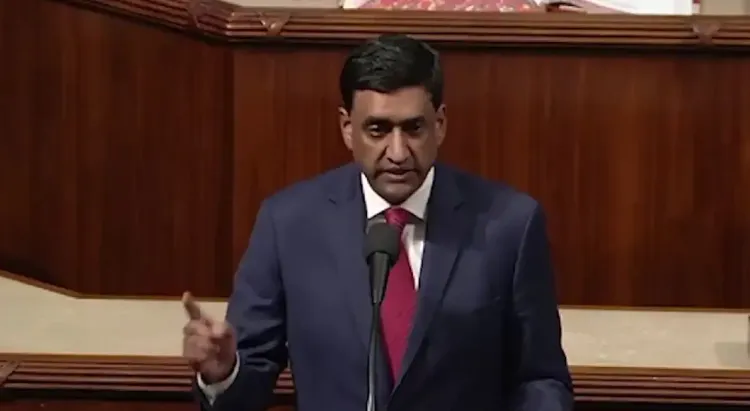
Representative Ro Khanna, who serves as the Ranking Member of the House Select Committee on the Chinese Communist Party, expressed concerns that actions taken by President Donald Trump may jeopardize the United States' deterrence capabilities in the Indo-Pacific region.
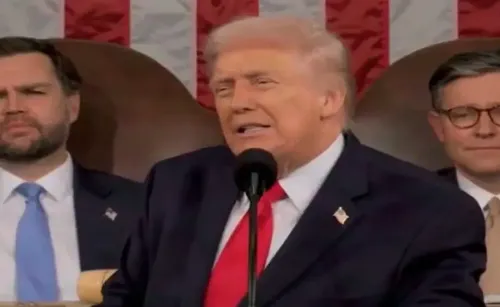
"President Trump's reckless military engagement in Iran threatens both our national security and economic stability. The focus should be on effectively tackling the escalating challenges in the Pacific region," Khanna asserted.
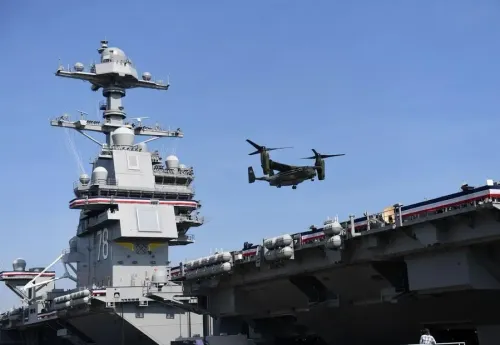
He further emphasized that the current administration is "overextending our military forces by engaging in a poorly conceived 'pivot to the Middle East.'"
Khanna also highlighted the significant financial burden caused by the conflict.
"This ongoing war is costing taxpayers nearly $1 billion each day and depleting essential munitions. Such expenditures are unsustainable, and their impact is already being felt by Americans as gas prices rise and economic instability grows," he remarked.
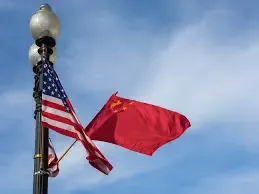
Additionally, he criticized the administration's diplomatic outreach to China, cautioning that it could weaken crucial alliances.
"The president is now requesting China to deploy warships to the region to assist in a conflict he cannot resolve—this dangerously misguided approach risks weakening the alliances that underpin our deterrent capabilities," Khanna stated.
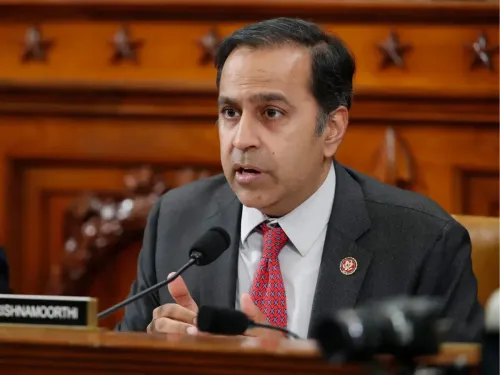
During a separate subcommittee hearing on Armed Services, Representative Seth Moulton offered a stark evaluation of the heightened security risks stemming from the ongoing conflict.
"We cannot overlook that, as we stand here today, America faces greater risks than prior to the onset of the Iran War, both internationally and domestically," Moulton warned.
He asserted that prolonged military operations are exhausting resources and encouraging adversaries.
"Since assuming office 14 months ago, the 'President of Peace' has engaged in military actions across seven nations, resulting in the depletion of precious munitions and empowering both China and Russia," he noted.
Moulton also pointed out the worsening economic consequences.
"With the Strait of Hormuz blocked and oil prices soaring, Trump is effectively losing this war," he said, adding that the conflict incurs costs paid in the lives of courageous young Americans and innocent civilians.
The lawmaker cautioned that the U.S. strategic focus is drifting away from essential long-term threats.
"Amid the turmoil in the Middle East, it's all too easy to lose sight of the need for robust national defense, which remains the cornerstone of our security and must be prioritized," he emphasized.
Furthermore, he raised alarms about China's military advancements.
"The Chinese Communist Party's intercontinental ballistic missile fleet continues to surpass U.S. intelligence estimates, and they have deployed several hypersonic weapons capable of carrying nuclear payloads," Moulton said.
He also flagged potential threats from Russia, warning that Moscow "has developed a treaty-violating, space-based nuclear weapon that could incapacitate nearly all satellites we depend on for GPS and communications every day."
Both lawmakers stressed that continued involvement in the Middle East could jeopardize the U.S.'s readiness to counter global threats, especially in Asia, where competition with China is intensifying.
The latest statements come as the Iran conflict persists at the forefront of U.S. foreign policy discussions, raising concerns in Washington about overstretch and strategic misdirection.
Point of View
The ongoing conflict in Iran poses significant challenges to U.S. strategic readiness, particularly in addressing the growing influence of China. Lawmakers are voicing concerns about resource allocation, economic impact, and the potential long-term consequences for national security.
NationPress
30 Sept 2026
Frequently Asked Questions
How is the Iran conflict affecting U.S. military readiness?
The conflict is diverting resources away from countering threats like China, leading to concerns about overstretch and diminished readiness.
What are the economic implications of the Iran war?
The war is costing taxpayers nearly $1 billion per day and causing rising gas prices, creating economic uncertainty for American citizens.
What concerns did lawmakers express about President Trump's actions?
Lawmakers warned that Trump's military engagement in Iran undermines U.S. deterrence capabilities and risks weakening crucial alliances.
What are the potential long-term threats highlighted by lawmakers?
Lawmakers emphasized the growing military capabilities of China and Russia as significant long-term threats, exacerbated by the ongoing conflict.
How is this conflict impacting U.S. foreign policy?
The Iran conflict is dominating discussions in Washington and raising concerns about strategic misdirection in U.S. foreign policy.