Iran FM Araghchi holds talks with Oman, Turkey, Egypt on Yemen peace
Synopsis
Iranian FM Araghchi held back-to-back calls with his counterparts in Oman, Turkey, Egypt, and Saudi Arabia in a single week — all focused on Yemen. Tehran is now openly positioning itself as a potential broker between the Houthis and Riyadh, a striking pivot for a country long accused of fuelling the very conflict it now says it wants to end.
Key Takeaways
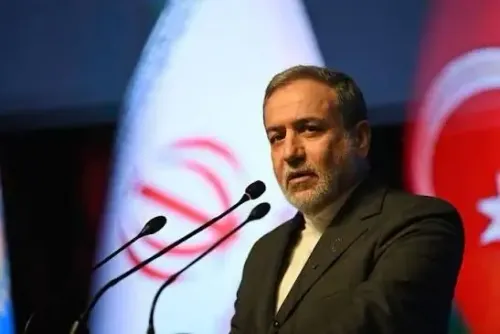
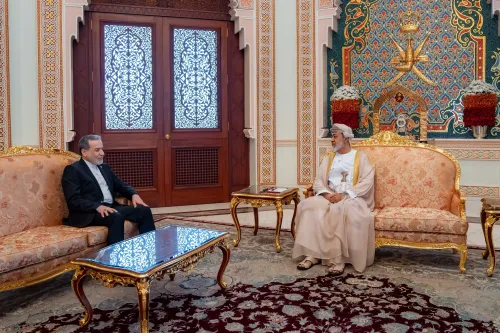
Iranian FM Seyed Abbas Araghchi spoke with Omani FM Sayyid Badr bin Hamad Al Busaidi on 14 October 2026 on regional developments and Yemen.
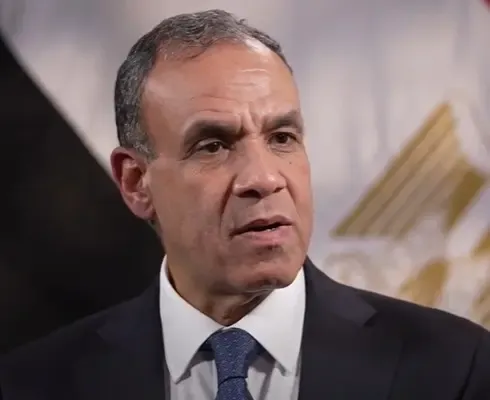
Araghchi also held calls with Turkish FM Hakan Fidan and Egyptian FM Badr Abdelatty on easing regional tensions.
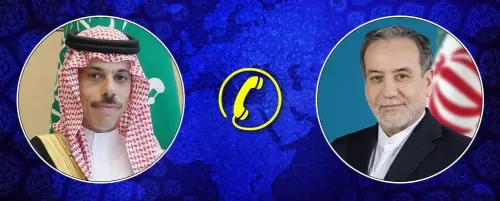
On Sunday , Araghchi spoke with Saudi FM Prince Faisal bin Farhan Al Saud , offering Iran's help to initiate Yemen-Saudi dialogue.
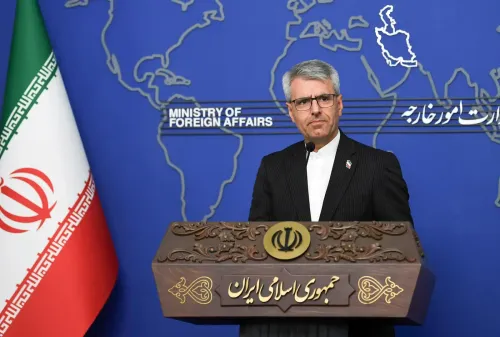
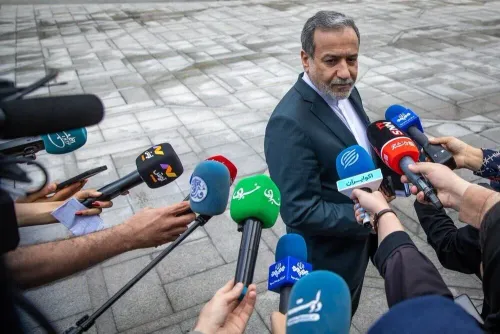
Iranian spokesperson Esmaeil Baghaei stated on Monday that Tehran is ready to use 'good offices' to facilitate talks between warring parties.
Houthis have been targeting Saudi airports and energy facilities; Riyadh continues air operations against Houthi-held areas.
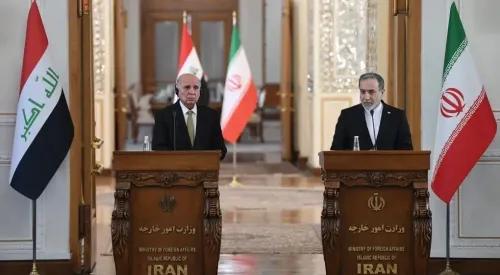
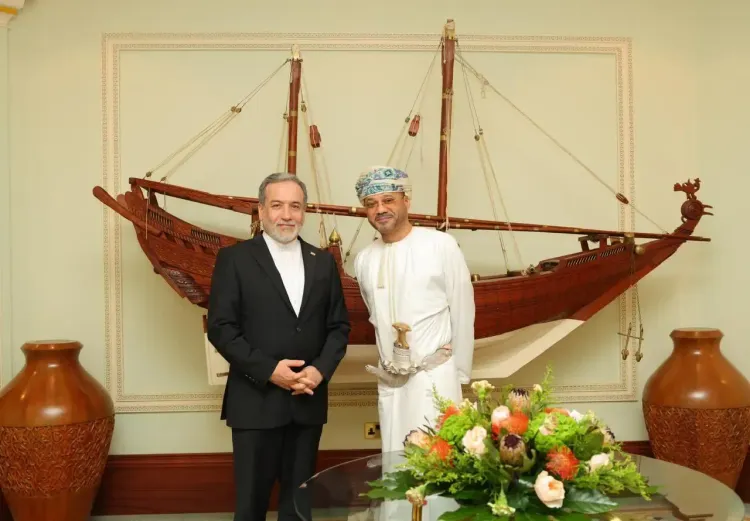
Iranian Foreign Minister Seyed Abbas Araghchi held a telephonic conversation with his Omani counterpart Sayyid Badr bin Hamad Al Busaidi on Wednesday, 14 October 2026, during which the two ministers reviewed the latest regional developments, including the escalating situation in Yemen. The call is part of an intensifying Iranian diplomatic push to reduce tensions across the Arabian Peninsula.
A Week of Back-to-Back Diplomatic Calls
The Iran-Oman call was one of several high-level exchanges initiated by Araghchi in quick succession. On Tuesday, he spoke with Turkish Foreign Minister Hakan Fidan, where discussions centred on the Yemen situation and broader measures to ease regional tensions and reinforce stability and security, according to reports citing Iran's semi-official Tasnim News Agency.
Araghchi also held a separate call with Egyptian Foreign Minister Badr Abdelatty, during which the two sides discussed ongoing diplomatic initiatives aimed at de-escalating tensions across the region. Egypt has increasingly positioned itself as a mediating voice in Middle Eastern conflicts.
Iran Signals Readiness to Broker Saudi-Yemen Dialogue
The flurry of calls follows a statement by Iranian Foreign Ministry spokesperson Esmaeil Baghaei on Monday, in which he reaffirmed Tehran's readiness to facilitate dialogue between Yemen and Saudi Arabia. Addressing a weekly press briefing in Tehran, Baghaei expressed 'grave concern' over incidents in the Arabian Peninsula.
'We have repeatedly expressed readiness to use our good offices to facilitate dialogue between the (warring) parties,' Baghaei said, adding that the situation should be resolved through talks and engagement rather than continued conflict.
On Sunday, Araghchi had spoken with Saudi Foreign Minister Prince Faisal bin Farhan Al Saud, offering Iran's assistance to initiate a formal dialogue between Riyadh and Sanaa. The outreach to Saudi Arabia is notable given the historically fraught relationship between Tehran and Riyadh, which has only recently seen a measured thaw.
The Yemen Conflict in Context
The Houthi movement, which controls large parts of Yemen including the capital Sanaa, has been targeting airports and energy facilities in Saudi Arabia. In response, Riyadh has continued conducting air operations against Houthi-held areas. The conflict has drawn in regional and international actors, with no durable ceasefire in place.
Iran has long been accused by Saudi Arabia and Western governments of arming the Houthis, an allegation Tehran has consistently denied. Araghchi's active diplomatic engagement this week marks a visible effort by Iran to present itself as a constructive regional stakeholder rather than a conflict enabler — a framing that serves Tehran's broader interest in reducing its international isolation.
What to Watch Next
With Iran engaging simultaneously with Oman, Turkey, Egypt, and Saudi Arabia, the diplomatic groundwork for a potential Yemen dialogue appears to be taking shape. Oman has historically served as a discrete back-channel between Iran and the West, and its inclusion in this round of talks is significant. Whether these conversations translate into a structured ceasefire process will depend on the willingness of the Houthis and Saudi Arabia to engage under Iranian facilitation.
Point of View
Muscat, Ankara, and Cairo in a single week are diplomatically notable, but the contradiction between Iran's stated peace posture and its alleged military support for the Houthis remains unresolved. Oman's inclusion is the most structurally significant detail: Muscat has reliably served as a backchannel, and its reactivation suggests both sides may be probing the space for a deal. Whether Iran can credibly play mediator while remaining the Houthis' primary patron is the question that will determine whether this week's calls amount to genuine peacemaking or strategic image management.
NationPress
14 Oct 2026
Frequently Asked Questions
What did Iranian FM Araghchi discuss with his Omani counterpart?
Iranian Foreign Minister Seyed Abbas Araghchi spoke with Omani FM Sayyid Badr bin Hamad Al Busaidi on 14 October 2026 about the latest regional developments, with a focus on the situation in Yemen and pathways to achieving peace and stability in the region.
Which foreign ministers did Araghchi speak with this week?
Within days, Araghchi held calls with the foreign ministers of Oman, Turkey (Hakan Fidan), Egypt (Badr Abdelatty), and Saudi Arabia (Prince Faisal bin Farhan Al Saud), all centred on reducing tensions in the Arabian Peninsula and facilitating a Yemen dialogue.
What is Iran's stated position on the Yemen conflict?
Iran says it does not support the continuation of the conflict and has repeatedly offered to use its 'good offices' to facilitate dialogue between the Houthis and Saudi Arabia. Spokesperson Esmaeil Baghaei reaffirmed this position at a press briefing in Tehran on Monday, 13 October 2026.
Why is the Yemen conflict relevant to Iran-Saudi relations?
The Houthis, who control much of Yemen, have been targeting Saudi airports and energy facilities, while Riyadh conducts air operations against Houthi-held areas. Saudi Arabia and Western governments have accused Iran of arming the Houthis, making Tehran's offer to mediate both significant and controversial.
Why is Oman's role in these talks significant?
Oman has historically served as a discreet diplomatic back-channel between Iran and Western or Gulf countries. Its inclusion in Araghchi's latest round of calls suggests that Muscat may again be facilitating sensitive, indirect communication between rival parties on Yemen.