Strait of Hormuz security depends on US commitments: Iran
Synopsis
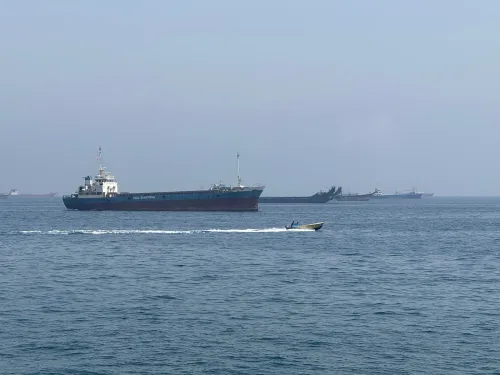
Iran says security in the Strait of Hormuz could be restored in the shortest possible time if the US fulfils its commitments. The statement followed a question about Foreign Minister Abbas Araghchi’s reference to reopening the waterway within two hours.
Key Takeaways
Iran said security in the Strait of Hormuz could be restored quickly if the US fulfils its commitments and meets Tehran’s conditions.
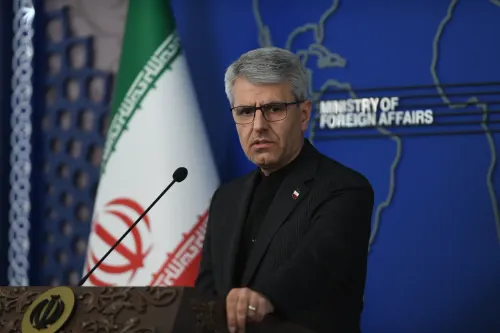
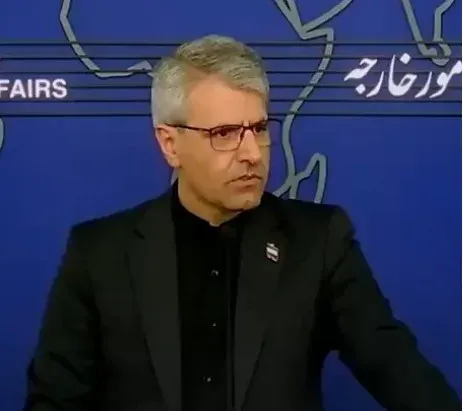
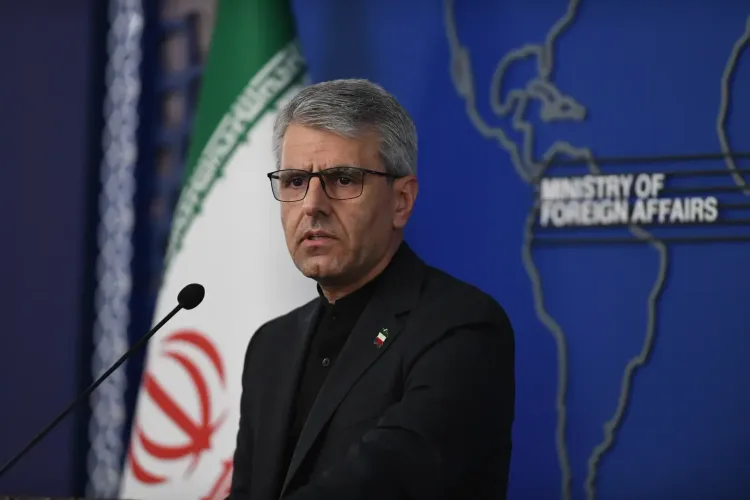
Foreign Ministry spokesperson Esmaeil Baghaei spoke at a briefing in Tehran on 23 November .
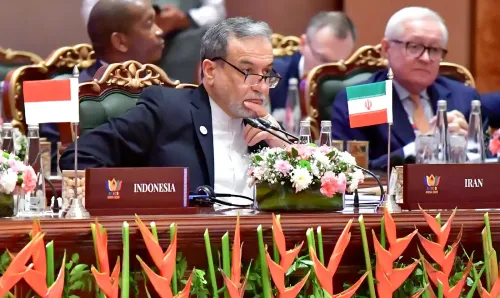
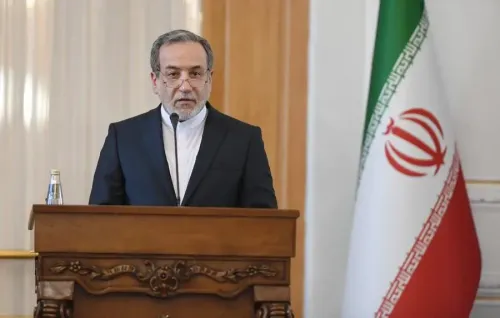
Baghaei was asked about Foreign Minister Abbas Araghchi ’s statement that the strait could reopen within two hours if US commitments were fulfilled.
Baghaei said no decision to withdraw from the Non-Proliferation Treaty had been communicated to the ministry; Iran has been a member since 1970 .
Asked about a possible attack on Iranian dams, Baghaei said: “They will not dare to do such a thing.”
Strait of Hormuz security can be restored in the “shortest possible time” if the United States fulfils its commitments and meets Iran’s conditions, Iranian Foreign Ministry spokesperson Esmaeil Baghaei said in Tehran on Monday, 23 November, according to local media.
Speaking at his weekly press briefing, Baghaei was responding to a question about Foreign Minister Abbas Araghchi’s statement that the strait could reopen within two hours if the US fulfilled its commitments.
Iran’s conditions for restoring security
Baghaei said Iran remained committed to fulfilling its obligations and could implement its commitments quickly if the other side met the relevant conditions. His remarks linked security in the strait and the wider region to action by the United States.
“If the American side fulfils its commitments, security can be restored to the Strait of Hormuz and the region in the shortest possible time,” Baghaei said. He added that the emphasis on speed did not mean overlooking the complexities surrounding the issue.
The spokesperson said Iran was serious about fulfilling its commitments while upholding its rights and maintaining the conditions it had set. The account of the briefing did not detail those conditions or specify the commitments Tehran wants Washington to fulfil.
Response to the two-hour reopening statement
The question put to Baghaei referred to Araghchi’s statement about reopening the strait within two hours. In his response, the spokesperson used the broader formulation “shortest possible time” when discussing the restoration of security in the strait and the region.
Baghaei said Iran was not pressing unusual demands. “All these cases are neither new preconditions nor demands outside the framework of Iran’s rights. They are an inseparable part of the Iranians’ rights,” he said.
The distinction matters because the reported two-hour timeframe concerned reopening the strait, while Baghaei’s remarks addressed security in both the waterway and the region. The account did not explain the practical steps or timetable involved in either process.
Nuclear treaty and questions on dams
Baghaei also said no decision on withdrawal from the Non-Proliferation Treaty had been communicated to the Foreign Ministry. Iran has been a member of the treaty since 1970.
That statement concerned what had been communicated to the ministry; it did not announce a change in Iran’s treaty membership. The briefing account did not provide further details of any decision-making process.
The spokesperson was also asked about US media reports portraying dams in Iran as military facilities and about Iran’s response in the event of an attack on them. “They will not dare to do such a thing,” he said.
What remains unclear
Baghaei’s comments set out Tehran’s position but did not identify which US commitments or Iranian conditions would determine whether security could be restored. The reported briefing also did not provide a response from Washington.
Any further assessment will depend on details of the commitments and conditions cited by Iran, as well as any subsequent statements from the countries involved.
Point of View
Clarity about the conditions and practical steps matters more than a headline timeframe. Both sides should make their commitments and any implementation arrangements transparent enough to be independently assessed.
NationPress
23 Nov 2026
Frequently Asked Questions
What did Iran say about Strait of Hormuz security?
Iran said security in the Strait of Hormuz and the region could be restored in the shortest possible time if the US fulfils its commitments and meets Tehran’s conditions. Foreign Ministry spokesperson Esmaeil Baghaei made the remarks at a briefing in Tehran.
Did Iran say the Strait of Hormuz could reopen in two hours?
Foreign Minister Abbas Araghchi had said the strait could reopen within two hours if the US fulfilled its commitments, according to the question put to Baghaei. Baghaei spoke instead of restoring security in the shortest possible time.
What conditions has Iran set for restoring Hormuz security?
The reported briefing did not specify the conditions or the US commitments Iran wants fulfilled. Baghaei said Iran’s position concerned its rights rather than unusual demands.
Has Iran decided to leave the Non-Proliferation Treaty?
Baghaei said no decision to withdraw had been communicated to Iran’s Foreign Ministry. Iran has been a member of the treaty since 1970.
What happens next on Strait of Hormuz security?
The reported briefing did not set out a timetable or practical steps for restoring security. Further details of the commitments and conditions cited by Iran remain to be clarified.