Iran tanker fire near Hormuz Strait: oil vessel hits naval mine, 4th incident reported
Synopsis
A fourth oil tanker reportedly caught fire near the Strait of Hormuz after hitting Iranian naval mines on 17 November, as the IRGC simultaneously claimed to have captured a US MQM-170 Outlaw drone — the eighth such intact capture in the region. With Iran blocking Israeli and US-linked vessels since February, the world's most critical oil chokepoint is becoming an active conflict zone.
Key Takeaways
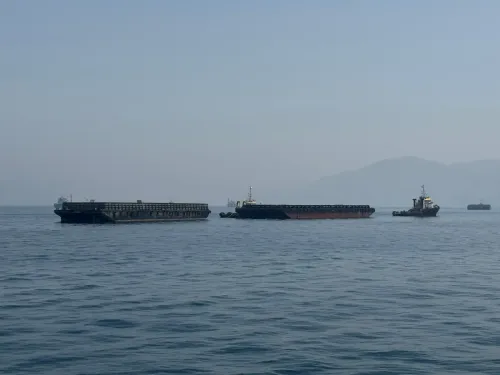
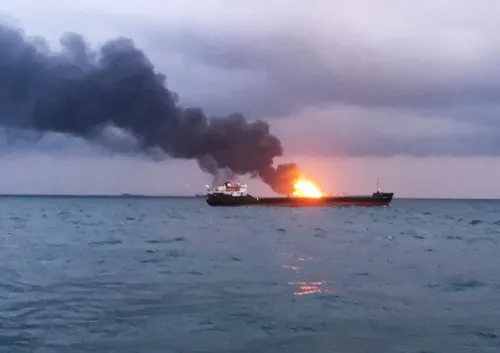
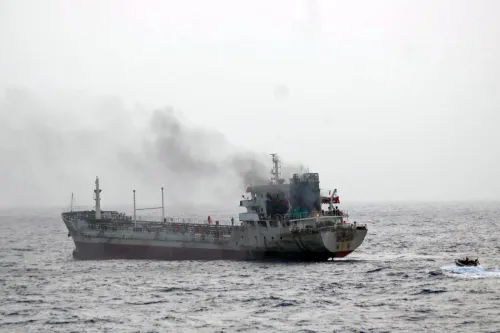
Iran's Army Navy reported a fourth oil tanker fire east of the Strait of Hormuz on 17 November 2026 after the vessel hit naval mines .
The tanker had switched off its navigation systems and was using what Iran deemed an 'unauthorised' route.
Iran has barred safe passage for vessels linked to Israel and the US since 28 February , following strikes on Iranian territory.
The IRGC navy claimed to have safely landed a US MQM-170 Outlaw drone — the eighth such capture in the Hormuz region.
Iran's Army also intercepted an MQ-1 Predator drone over the strait in the same period.
Isfahan provincial authorities denied reports of air defence activations, saying no hostile aircraft were detected.
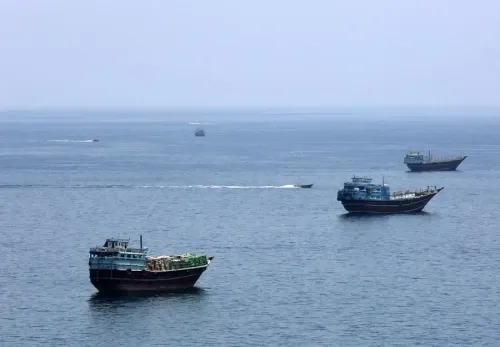
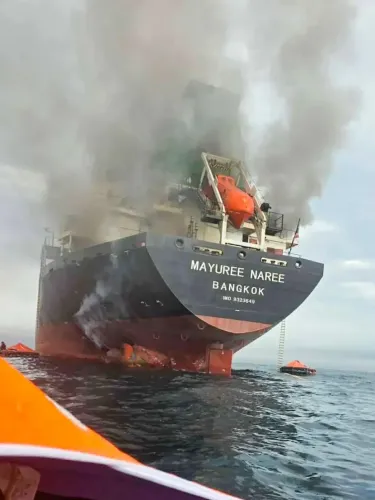
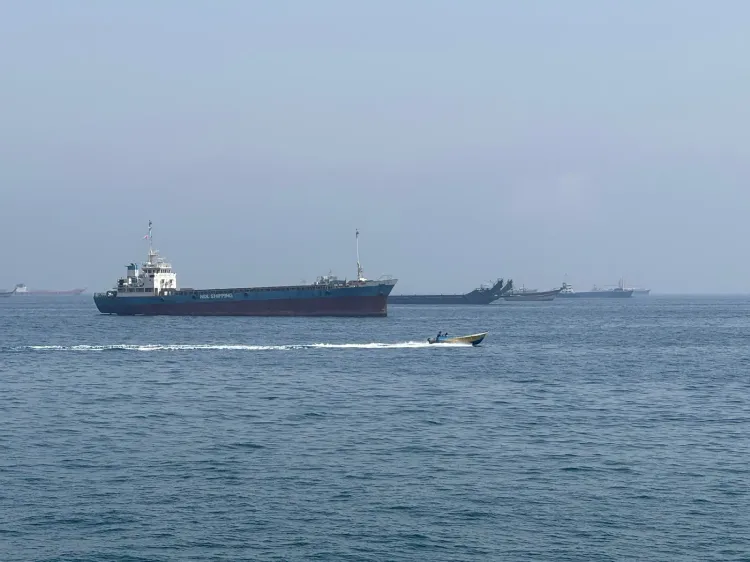
Iran's Army Navy announced on Monday, 17 November 2026 that another 'violating' oil tanker caught fire after striking naval mines east of the Strait of Hormuz, marking at least the fourth such tanker incident reported in the region. The vessel had reportedly disabled its navigation systems and was travelling through what Iranian authorities described as an 'unauthorised' route in breach of regulations imposed by the Iranian armed forces.
What Iran's Navy Said
In a statement published on the Army's official website, the navy said the tanker was crossing the restricted eastern corridor of the waterway with its transponders switched off — a move that Iranian officials say constitutes a deliberate violation of their maritime regime. The statement reiterated that all vessels transiting the strait must use only 'authorised' routes and comply fully with regulations announced by the Iranian armed forces.
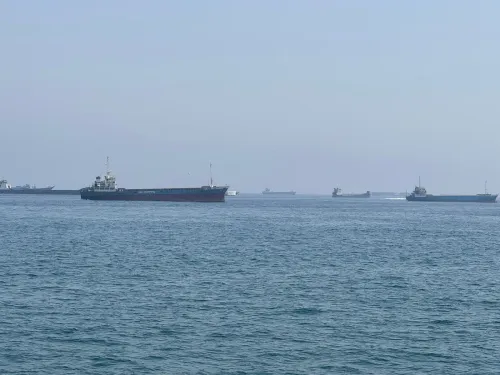
This comes after Iran formally barred safe passage to vessels belonging to or affiliated with Israel and the United States from 28 February onwards, following what Tehran described as joint strikes on Iranian territory. The Strait of Hormuz — through which roughly 20% of the world's traded oil passes — has since become an active enforcement zone under the Islamic Republic's tightened maritime policy.
Isfahan Air Defence Reports Denied
Separately, provincial authorities in Isfahan, Iran's central province, on Monday night denied reports of air defence activations earlier in the day. Iran's semi-official Mehr news agency had reported that air defence systems in Isfahan were activated, without specifying the cause.
However, state broadcaster IRIB later quoted Akbar Salehi, Isfahan's Deputy Governor for Security Affairs, as saying that 'no hostile aircraft had been detected in the province's airspace.' Salehi added: 'Matters concerning air defence and the activities of the armed forces stationed in the province are proceeding in accordance with usual plans and ongoing procedures.'
Drone Intercepts Over Hormuz
In a further development, Iran's Army said its air defence force intercepted an MQ-1 Predator drone over the Strait of Hormuz within the preceding hours. The navy of Iran's Islamic Revolution Guard Corps (IRGC) additionally claimed to have safely landed an MQM-170 Outlaw drone belonging to the US Army using electronic warfare capabilities.
According to the IRGC navy's statement, this was the fourth MQM-170 Outlaw drone landed safely by its forces and the eighth US drone captured intact by the IRGC's air defence within the Strait of Hormuz region overall — a figure that, if accurate, points to a sustained and intensifying drone-interception campaign in one of the world's most strategically sensitive chokepoints.
Strategic Significance
The escalating pattern of tanker incidents, drone captures, and air defence activations underscores growing tension over the Strait of Hormuz at a time when Iran's relations with both the US and Israel remain deeply fractured. Analysts note that the enforcement of 'authorised' versus 'unauthorised' routes is a relatively new assertion of Iranian maritime authority, one that has not been recognised by international maritime bodies. The situation remains fluid, and further incidents cannot be ruled out.
Point of View
If even partially accurate, signals an IRGC electronic warfare capability that Western military planners cannot afford to dismiss. What is missing from official Iranian statements is any independent verification of the tanker incidents: no flag state, no crew nationality, no casualty count. That opacity is itself a tool of pressure. The Isfahan air defence denial is also worth scrutinising — official reassurances in a country under multiple threat vectors tend to close down questions rather than answer them. The broader risk is a slow normalisation of Hormuz as a contested, partially closed waterway, which would reprice global energy insurance and freight costs well before any formal military confrontation.
NationPress
17 Nov 2026
Frequently Asked Questions
What happened to the oil tanker near the Strait of Hormuz on 17 November 2026?
Iran's Army Navy reported that an oil tanker caught fire after striking naval mines east of the Strait of Hormuz on 17 November 2026. The vessel had reportedly disabled its navigation systems and was using what Iranian authorities described as an unauthorised transit route, in violation of regulations imposed by the Iranian armed forces.
Why is Iran restricting vessels in the Strait of Hormuz?
Iran tightened its grip on the strait from 28 February 2026, barring safe passage for vessels owned by or affiliated with Israel and the United States, following what Tehran described as joint strikes on Iranian territory. All other vessels are required to use only designated authorised routes and comply with Iranian armed forces regulations.
What US drones has Iran claimed to have captured near Hormuz?
The IRGC navy stated on 17 November that it had safely landed a US Army MQM-170 Outlaw drone using electronic warfare, calling it the fourth such landing by its forces and the eighth US drone captured intact in the Strait of Hormuz region overall. Iran's Army separately said an MQ-1 Predator drone was also intercepted over the strait.
Were there any air defence incidents in Isfahan on 17 November?
Reports from Iran's semi-official Mehr news agency suggested air defence systems in Isfahan were activated on 17 November, but provincial authorities denied any hostile activity. Isfahan's Deputy Governor for Security Affairs Akbar Salehi stated that no hostile aircraft had been detected and that armed forces activities in the province were proceeding according to standard procedures.
How significant is the Strait of Hormuz to global oil supply?
The Strait of Hormuz is the world's most critical oil chokepoint, through which roughly 20% of globally traded oil passes. Any sustained disruption to shipping in the strait — through mine threats, drone activity, or enforced routing restrictions — has immediate implications for global energy prices and supply security.