Hormuz Strait service fees on table as Iran-Oman talks advance
Synopsis
Iran has put maritime service fees on the agenda for the Strait of Hormuz — a waterway through which roughly 20% of global oil trade flows. With Iran-Oman talks described as 'smooth and constructive' and a three-party deal involving the US reportedly pending for days, the world's most critical energy chokepoint may be closer to a structured reopening than headlines suggest.
Key Takeaways
Iranian foreign ministry spokesman Esmaeil Baghaei said on 10 August that fees should be charged for maritime services in the Strait of Hormuz .
Iran and Oman are negotiating a new intermediate shipping route to replace the existing northern and southern lanes.
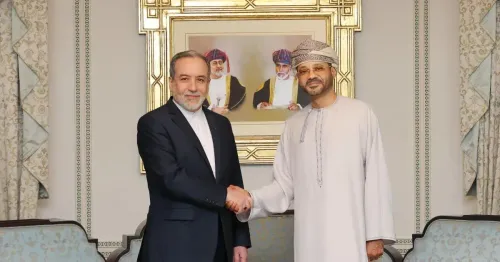
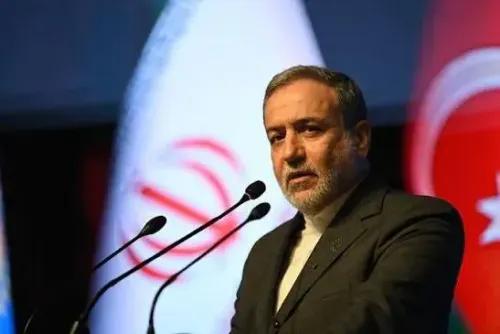
Foreign Minister Seyed Abbas Araghchi said the two sides are 'very close' to an agreement on a temporary route.
A three-way agreement involving Iran , Oman , and the United States has reportedly been pending for several days.
US President Donald Trump said the US is 'only semi-negotiating' with Iran and favours economic pressure over military action.
Iran maintains the strait's closure is a consequence of US and Israeli 'military aggression' and insists conditions must change before full reopening.
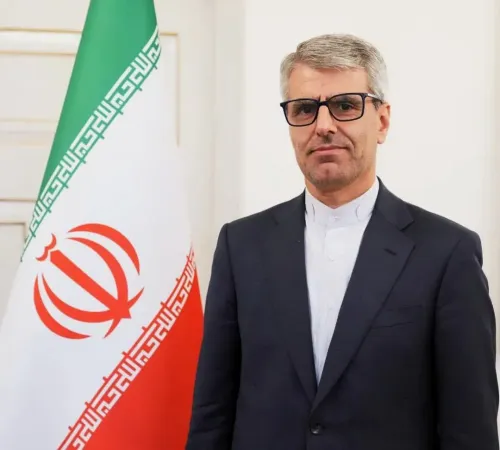
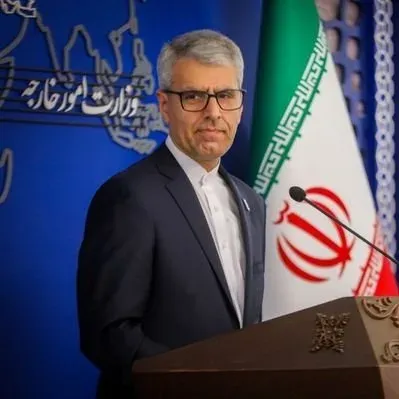
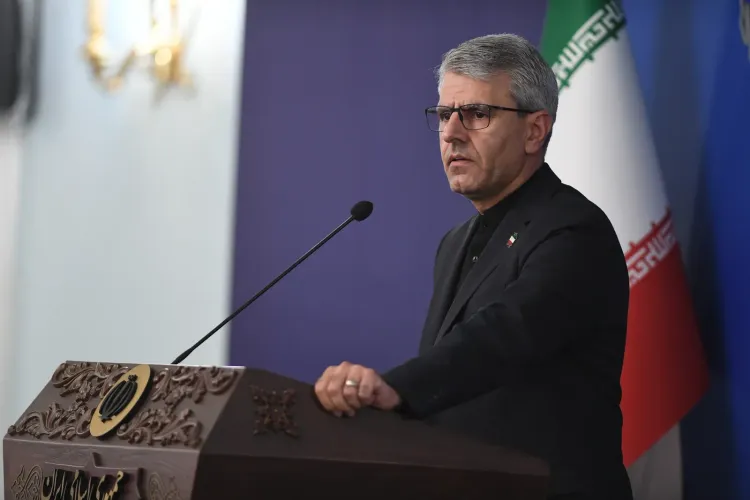
Iranian foreign ministry spokesman Esmaeil Baghaei said on Monday, 10 August that fees should be charged for maritime services rendered in the Strait of Hormuz, as negotiations between Iran and Oman over a new shipping route in the strategic waterway continued to progress. The remarks came during Baghaei's weekly press conference in Tehran.
What Baghaei Said
'Generally, when you provide maritime services, you must be reimbursed for them,' Baghaei stated, while clarifying that the specific financial details were not yet on the table. 'At this stage, we do not discuss such details,' he added, noting that 'certain technical points' would be taken up as talks progressed.
He described the Iran-Oman negotiations as proceeding 'smoothly and constructively,' saying mechanisms would be established to ensure safe shipping, address environmental concerns, provide maritime services, and combat crime in the strait.
The Proposed New Route
Under a potential agreement being negotiated, the existing northern and southern routes through the strait would be replaced by a single intermediate route, Baghaei said. He noted the new route would serve as a temporary measure until Iran and Oman finalise a new traffic separation scheme. Iranian Foreign Minister Seyed Abbas Araghchi said on Saturday that the two sides were 'very close' to an agreement on designating such a temporary route, according to Iran's official news agency.
Iran's Conditions for Reopening
Baghaei attributed the closure of the Strait of Hormuz to what he described as US and Israeli 'military aggression' against Iran, stating that its reopening depended on the elimination of conditions imposed on the country. He reiterated that Iran is not in direct negotiations with the United States, though the two countries continue to exchange messages through mediators.
Trump's Remarks and the US Angle
US President Donald Trump said on Sunday that 'we are only semi-negotiating' with Iran, signalling a preference for sustained economic pressure over military action. 'We are low-keying it,' Trump reportedly told a news outlet during a brief phone call, arguing that Iran 'is in very bad shape' economically. Separately, reports indicated that a three-way agreement governing Hormuz traffic — involving Iran, Oman, and the United States — had been 'pending for a few days.'
Why the Strait Matters
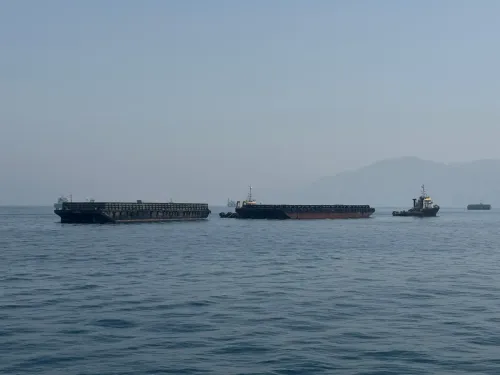
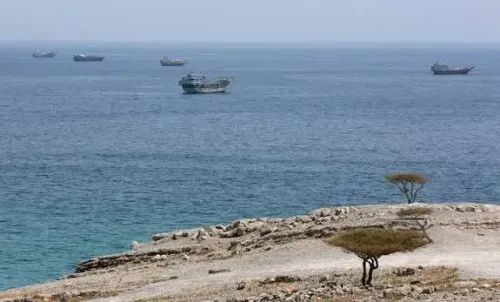
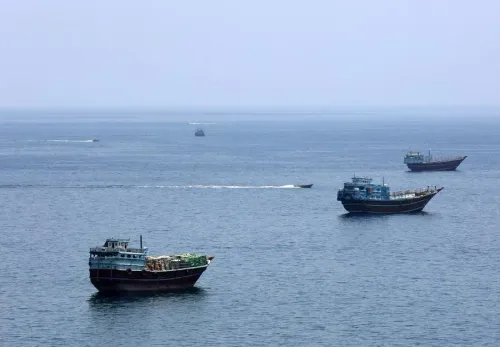
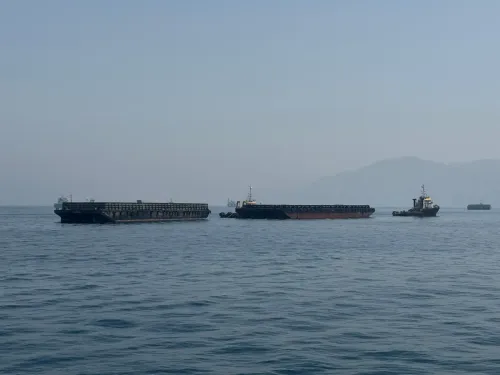
The Strait of Hormuz is one of the world's most critical oil transit chokepoints, with roughly 20% of global petroleum trade passing through it. Any disruption — or new fee structure — carries direct implications for global energy markets, shipping costs, and regional geopolitics. The ongoing Iran-Oman dialogue represents one of the few active diplomatic channels in a period of heightened US-Iran tension.
Point of View
Literally and diplomatically. The three-way framework involving Oman as mediator reflects how isolated direct US-Iran channels remain. What is striking is the gap between Trump's 'semi-negotiating' framing and Baghaei's insistence that no US talks are happening at all — both can be technically true, which tells you how fragile this architecture is. A pending deal that has sat unsigned for 'a few days' in this environment is one provocation away from collapse, and global energy markets are priced as though it will hold.
NationPress
10 Aug 2026
Frequently Asked Questions
What did Iran say about fees in the Strait of Hormuz?
Iranian foreign ministry spokesman Esmaeil Baghaei said on 10 August that fees should be charged for maritime services provided in the Strait of Hormuz. He clarified that specific fee details were not yet being discussed at the current stage of talks.
What is the new shipping route being negotiated between Iran and Oman?
Iran and Oman are negotiating an intermediate shipping lane to replace the existing northern and southern routes through the Strait of Hormuz. The new route would be temporary until both sides agree on a permanent traffic separation scheme.
How close are Iran and Oman to a Hormuz agreement?
Iranian Foreign Minister Seyed Abbas Araghchi said on Saturday that the two sides are 'very close' to an agreement on a temporary route. Reports indicate a broader three-party deal involving the US has been pending for several days.
Is the United States involved in the Hormuz negotiations?
Iran says it is not directly negotiating with the United States, but both countries are exchanging messages through mediators. US President Donald Trump confirmed on Sunday that the US is 'only semi-negotiating' with Iran, preferring economic pressure over military escalation.
Why is the Strait of Hormuz currently closed?
Iran has attributed the closure to what it describes as US and Israeli military aggression against Iran, stating that reopening depends on the elimination of conditions imposed on the country. The strait is a critical global oil transit route, with roughly 20% of world petroleum trade passing through it.